
The Next Weaver | Chinchero, Peru: DO
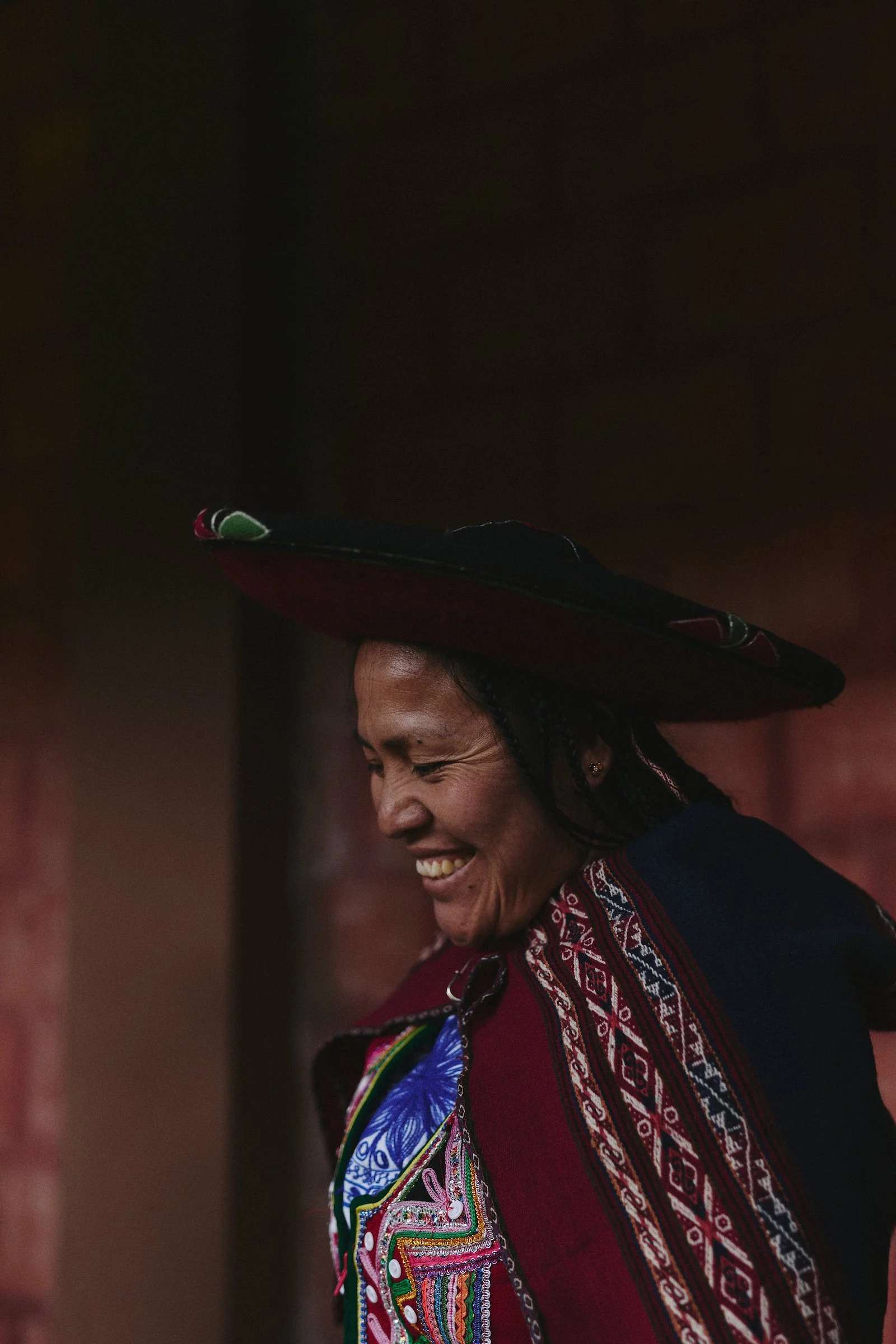
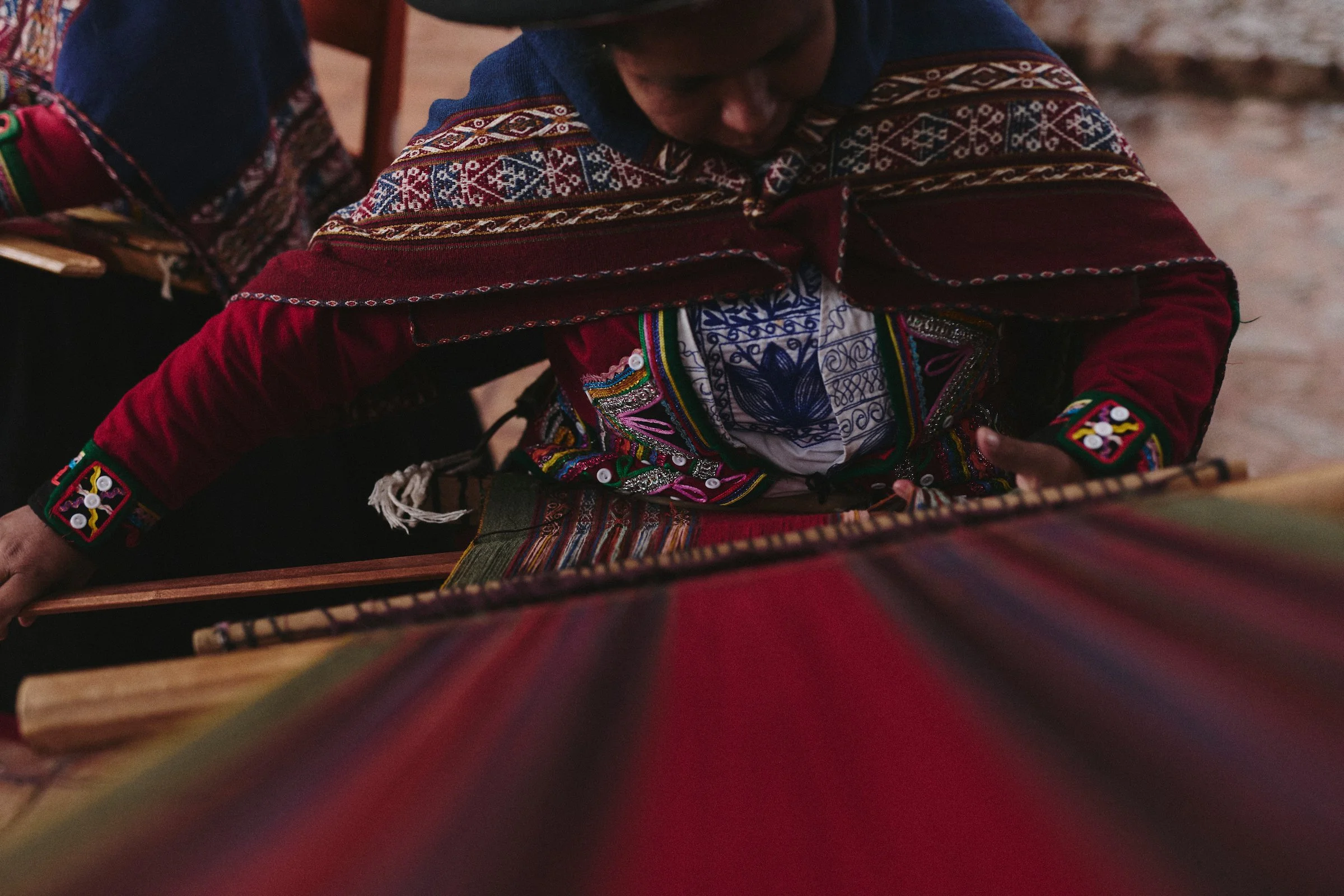
In Chinchero, a group of Quechua women is working to ensure that centuries of textile knowledge remain part of the future, not only the past.
A WhereNext Curated Experience | Already part of a partner’s catalog, this experience has been selected and quality-controlled by our team.
The Skinny
Spend private time with women from the Center for Traditional Textiles of Cusco in Chinchero.
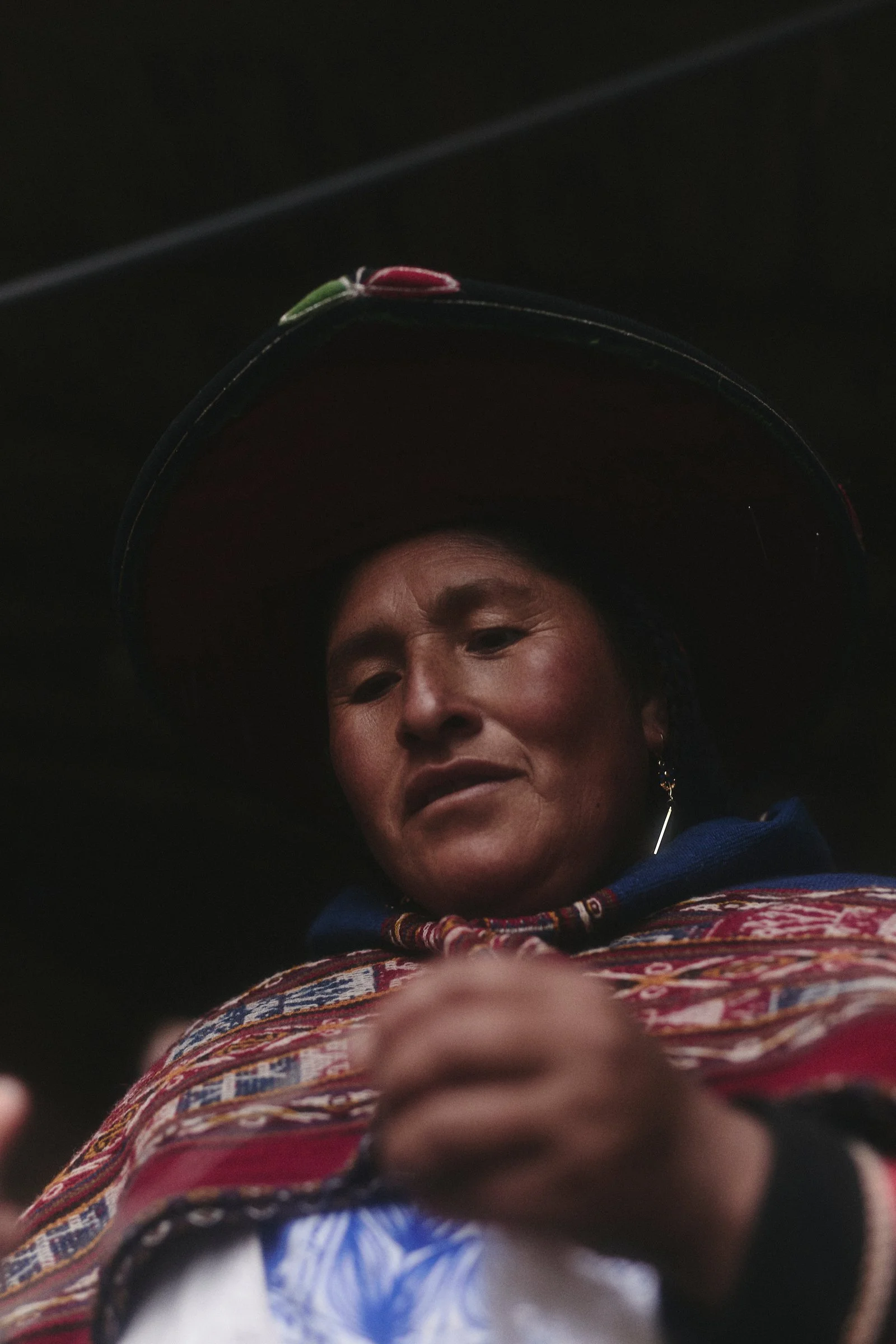
Meet Nilda Alvarez, one of CTTC’s founders and a leading voice in Andean textile preservation.
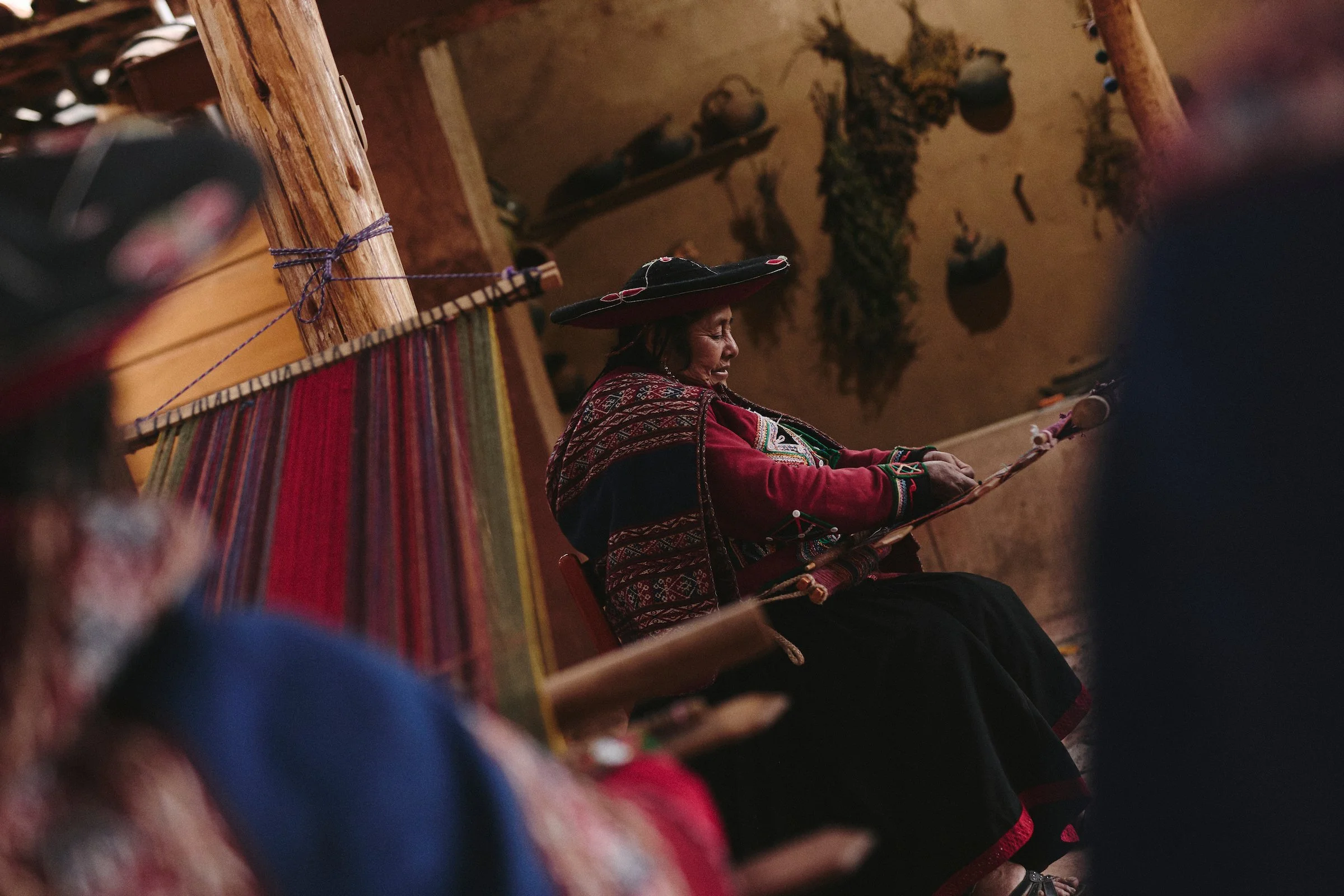
See how wool, natural dyes, weaving techniques, and community-specific patterns carry knowledge between generations.
Learn how textile sales, workshops, and tourism help make it possible for younger women to continue the work.
Experience the project through a relationship developed over years by our Peru team in the Sacred Valley.
The Experience
The morning begins in Chinchero, high above Cusco in the Sacred Valley.
The roads are still quiet when guests arrive at the workshop. Skeins of dyed alpaca wool hang drying in the mountain air.
This is a working cultural preservation project that began in the late 1970s and formally became the Center for Traditional Textiles of Cusco in 1996 under the leadership of Nilda Alvarez, one of the founders and one of the most respected figures in Andean textile conservation.
Guests are welcomed directly into the process.
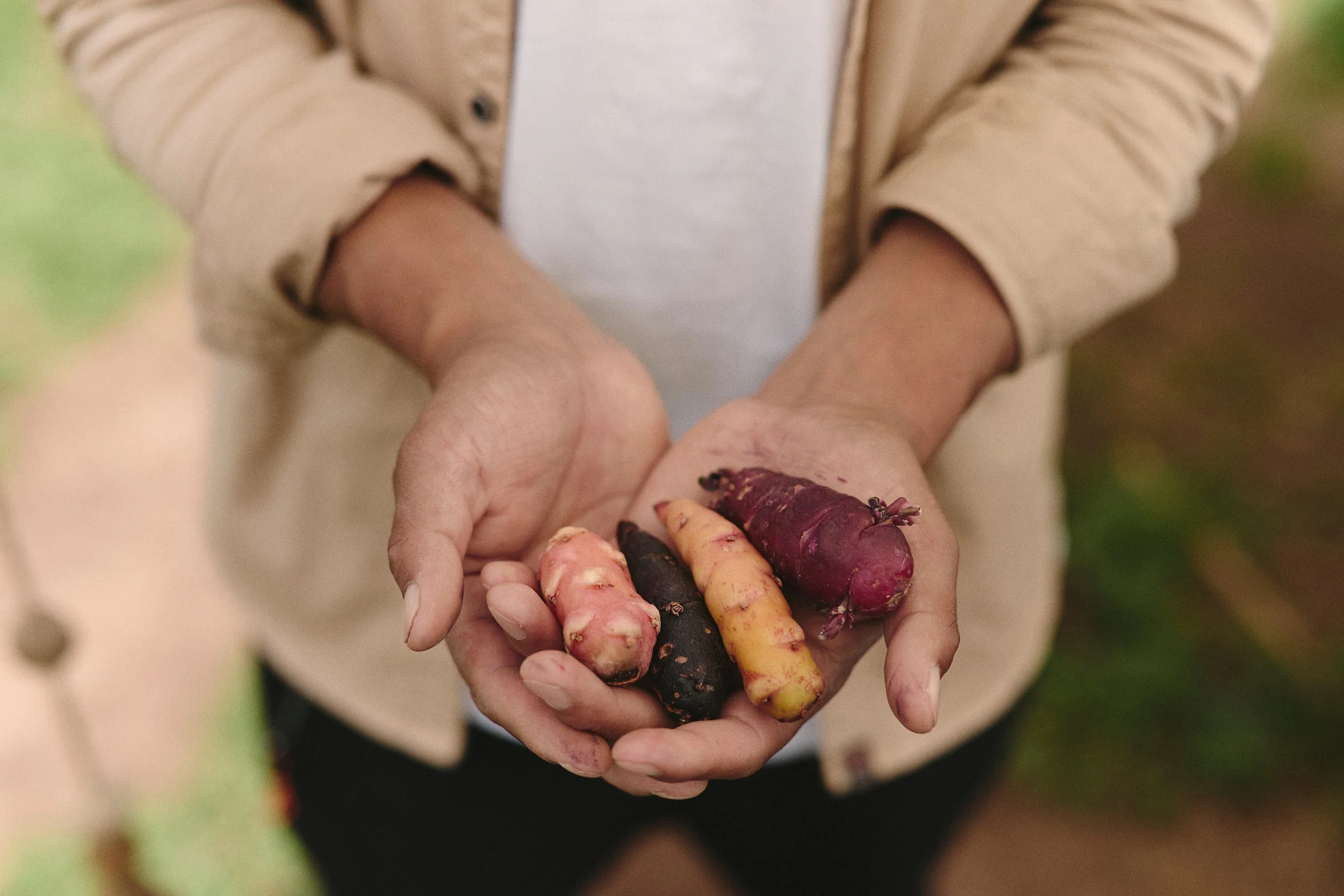
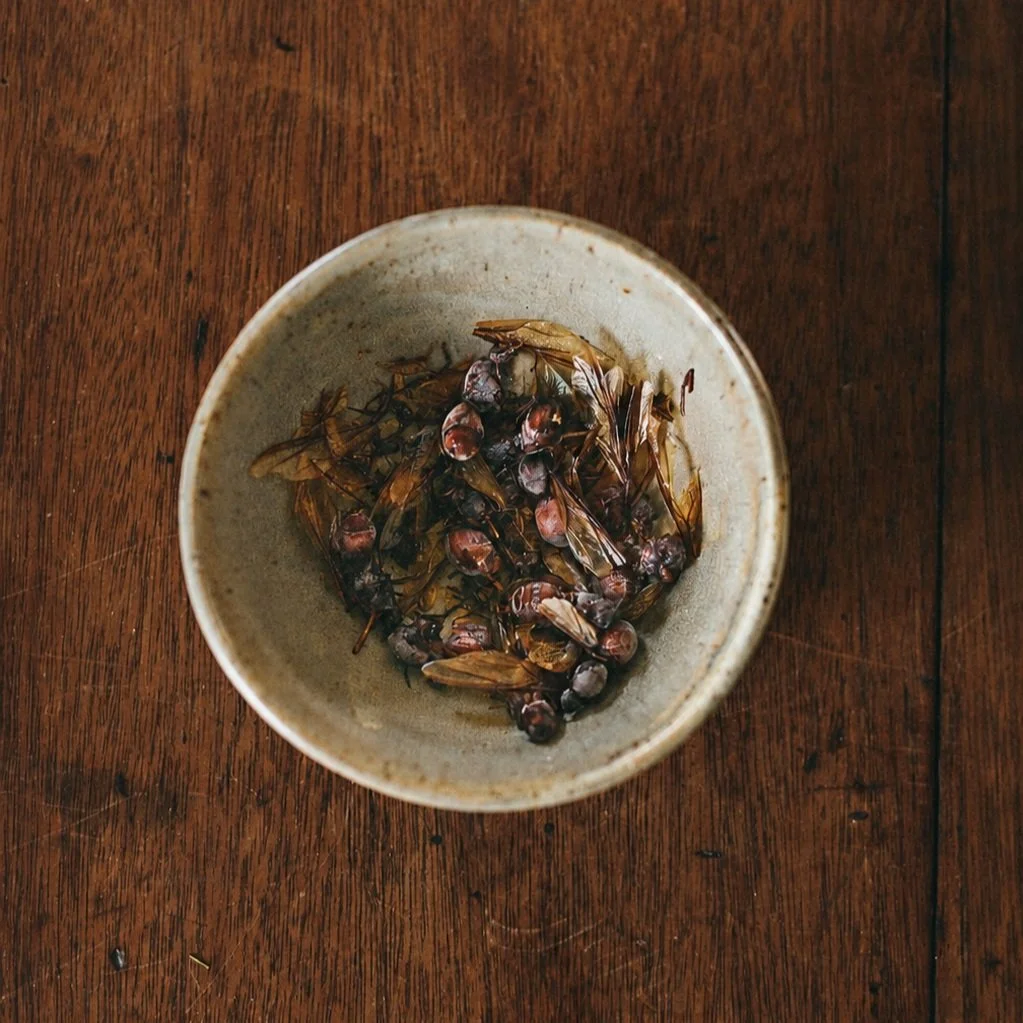
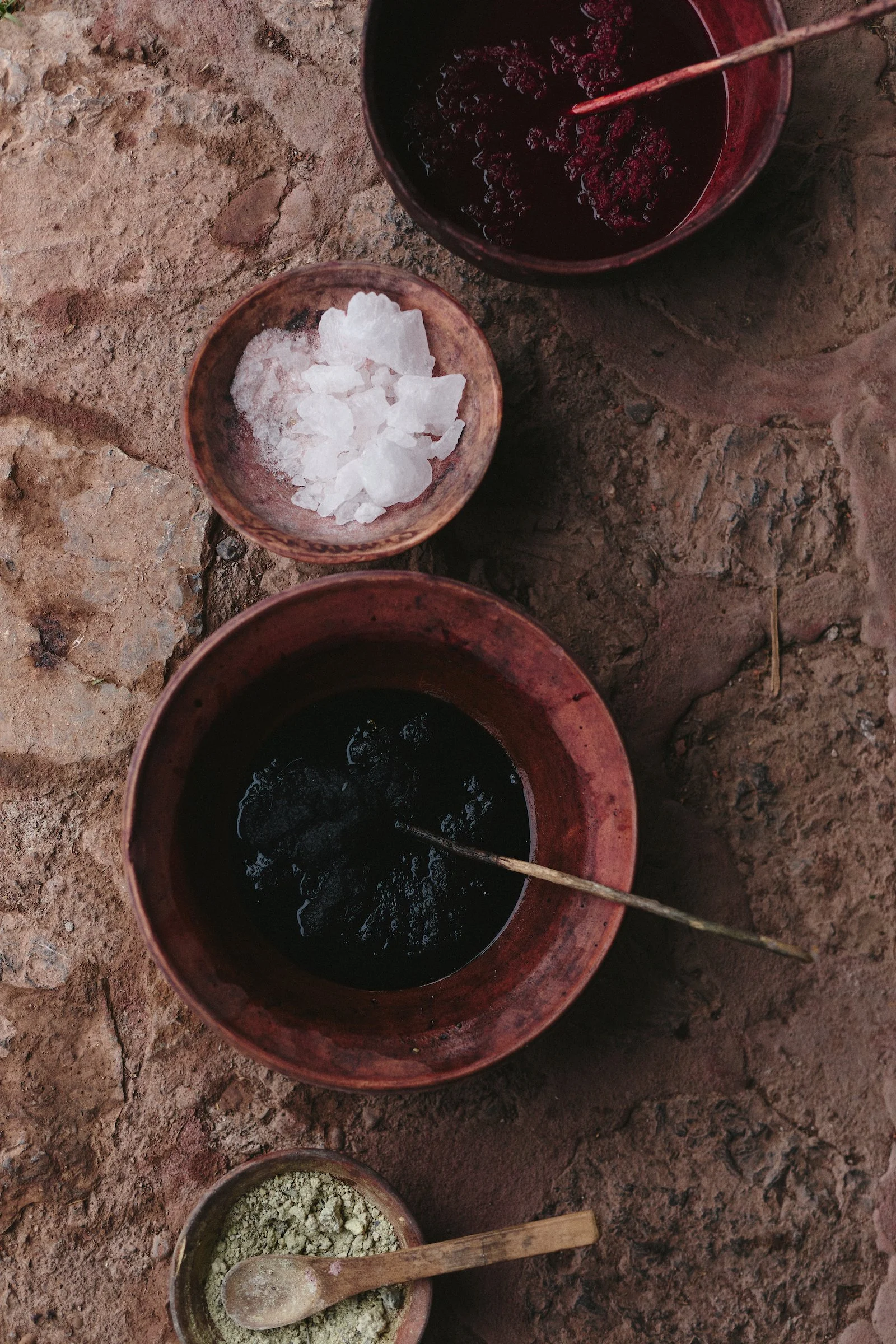
Natural dyes are extracted from native plants, minerals, and insects. Patterns carry encoded stories tied to specific communities, landscapes, and histories.
Nilda speaks openly about the role tourism has played in keeping the project alive. Visitors purchasing textiles and participating in workshops created a sustainable path for younger generations to continue weaving rather than leaving the practice behind.
“Textiles represent our culture, the past, present, and the future,” she explains. “Also a tool to create income, which keeps us in our communities.”
Today, the project extends beyond Chinchero into weaving communities throughout the Cusco region, with younger generations now learning techniques that are at risk of disappearing.
Why We Chose This Experience
The Center for Traditional Textiles of Cusco existed long before WhereNext Travel Peru.
Our connection to it grew through years of relationship building in the Sacred Valley, including the work of our Peru Country Manager, Fiorella Freyre, with community-based cultural projects in the region.
WhereNext Travel Peru did not create the textile tradition, CTTC, or the experience at its center. Our role is to know the people behind it, understand how the visit works, quality-control the experience, and decide where it belongs within a larger journey through Peru.
We selected it for DO because the encounter goes beyond watching a weaving demonstration.
Guests meet the women sustaining the work and hear directly how knowledge, income, tourism, and the next generation are connected.
Why It Matters
Textile demonstrations are common on Sacred Valley itineraries.
What matters here is whether the knowledge behind them survives.
For the women of CTTC, weaving is cultural inheritance, skilled work, and a source of income. Tourism can help make that work economically viable enough for another generation to see a future in learning it.
That is what makes the next weaver possible.
For guests, the experience offers another way of understanding the Sacred Valley beyond archaeology and landscapes, through women making decisions about what they want to carry forward.
Who This Is For
This experience works particularly well for:
Guests interested in culture through direct human connection rather than passive observation
Travelers seeking more context within the Sacred Valley beyond Machu Picchu
High-end FIT clients looking for private experiences
Small groups focused on art, heritage, textiles, or community-based travel
Advisors looking for Peru experiences with strong storytelling and long-term cultural value