
The Artist Preserving Her Family’s 300-Year Story in Peru’s Sacred Valley: ORIGIN
Inside a private hacienda in Peru’s Sacred Valley, fourth-generation artist Lucia Lambarri is preserving a family world of pre-Inca art, white giant corn, mountain ecology, and Andean hospitality.
ORIGIN is a series of portrait stories that celebrate the people who make the travel we design possible. Chefs, guides, artists, entrepreneurs, and travelers.
Our community. Their stories. ORIGIN.
A House That Holds Four Generations of History
When you arrive at Hacienda Huayoccari, lunch is not the point.
The table matters, of course. So does the food. So does the view across the Sacred Valley, where the mountains rise beyond the gardens and the white giant corn fields. But the real experience begins before the first plate is served.
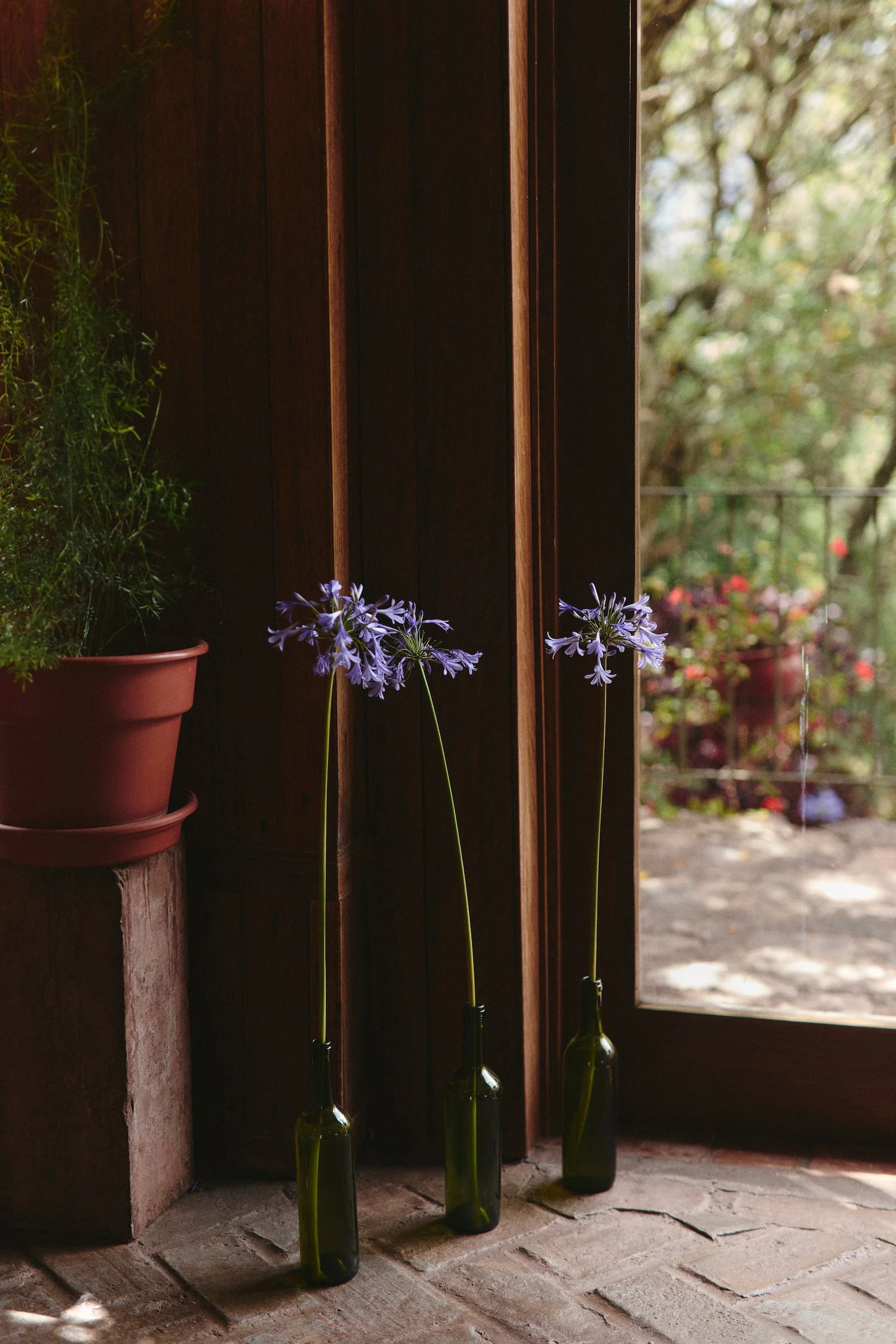
It begins in the courtyard, in the nooks and crannies of the estate, and on the walls of understated rooms tucked away from the dining hall.
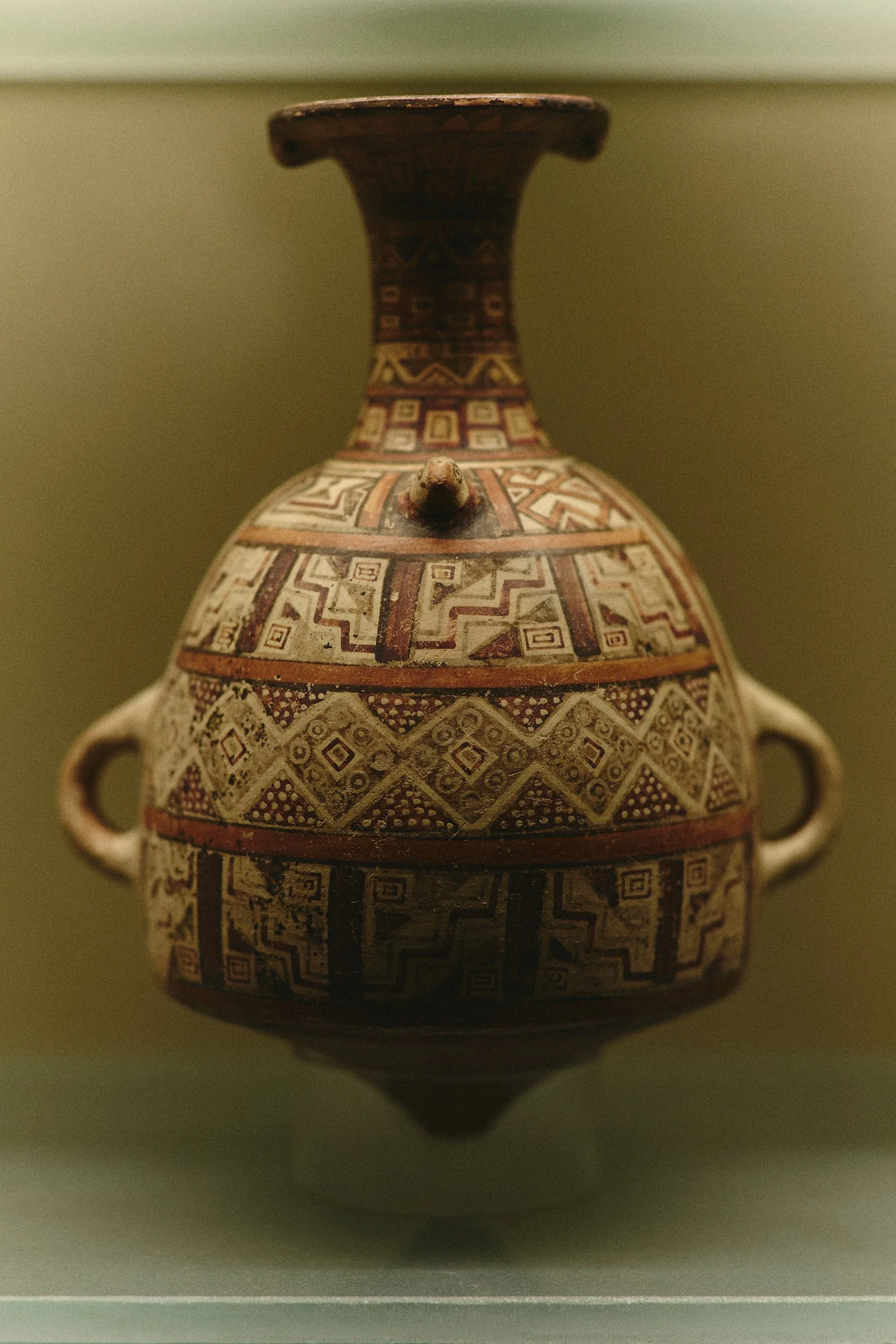
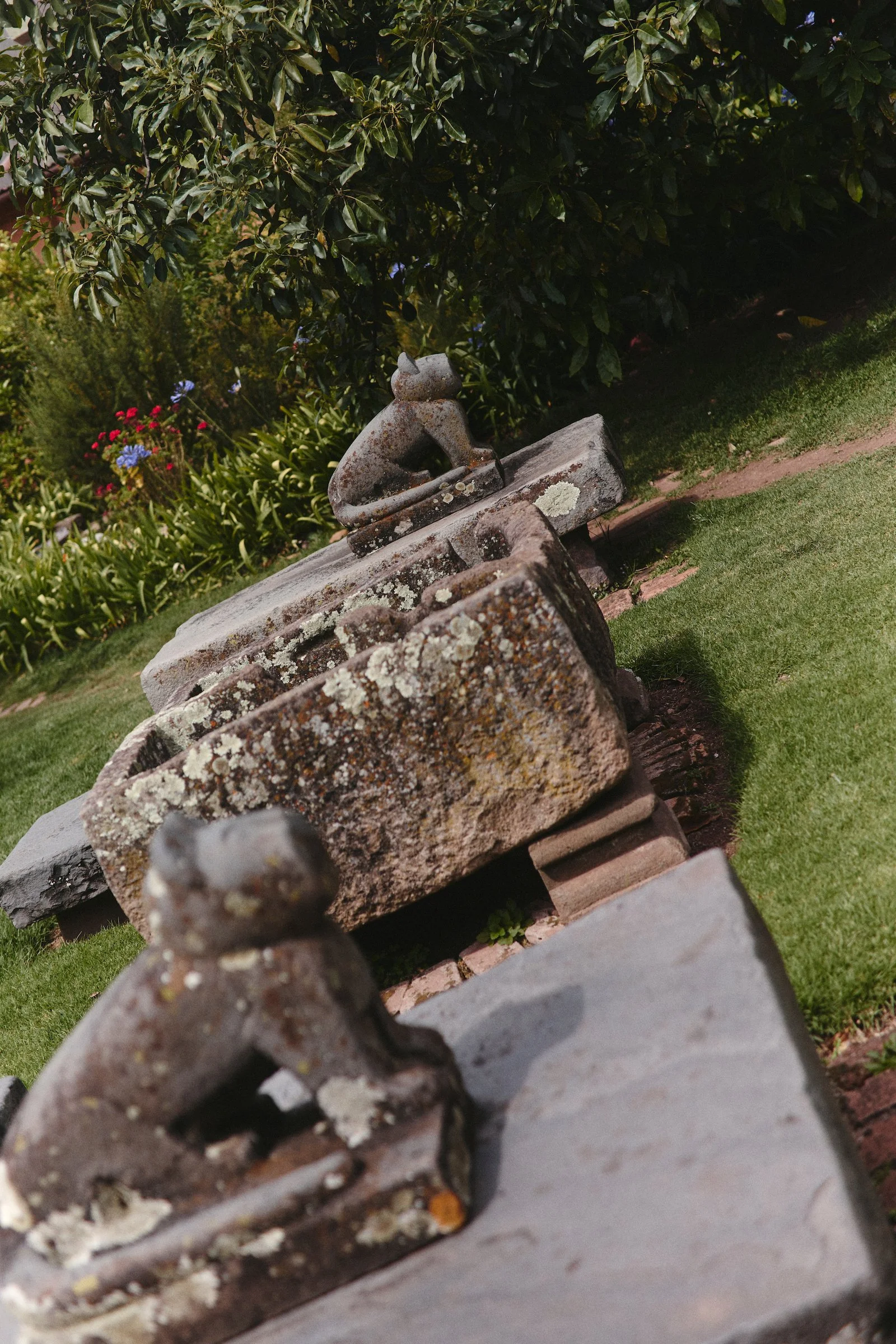
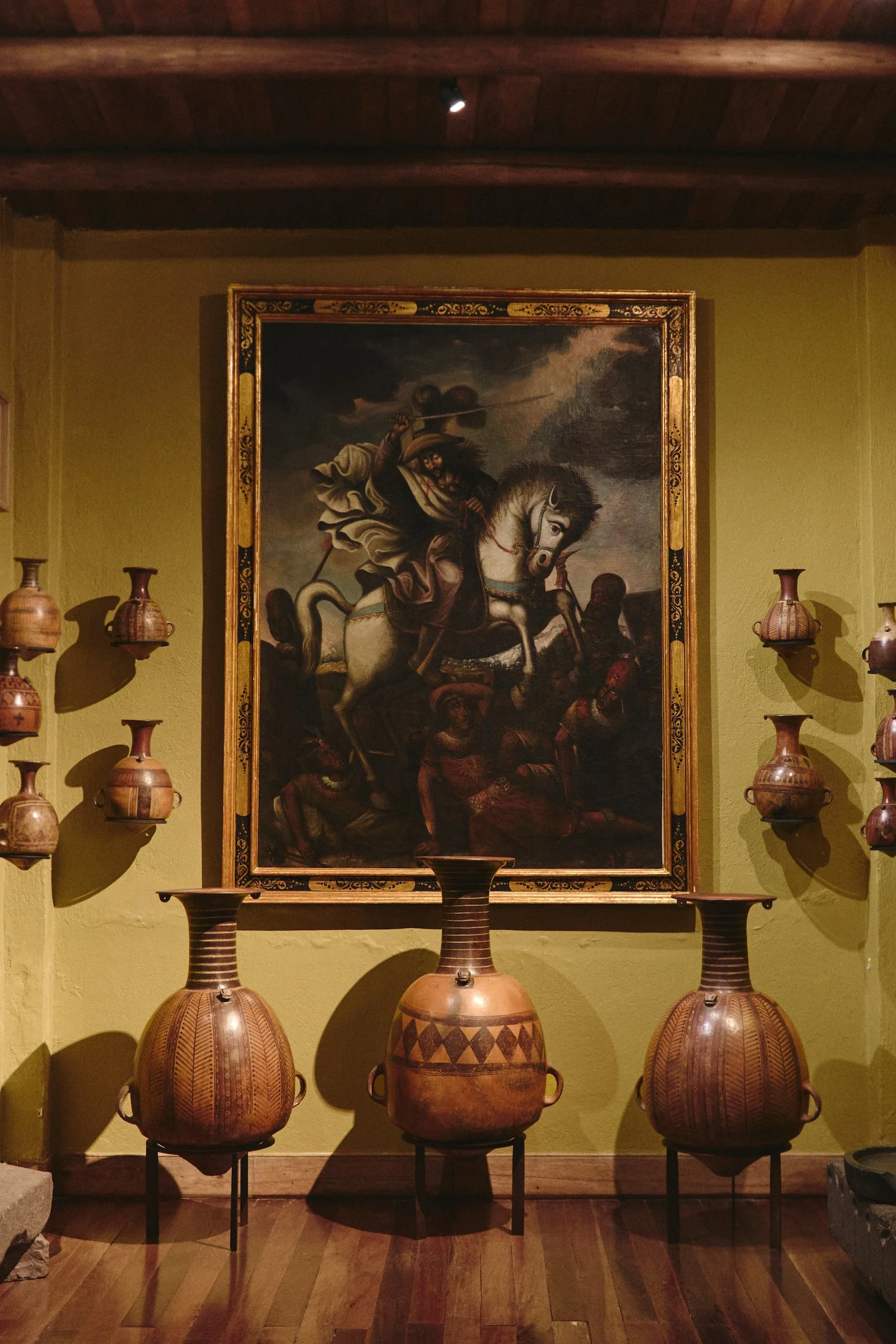
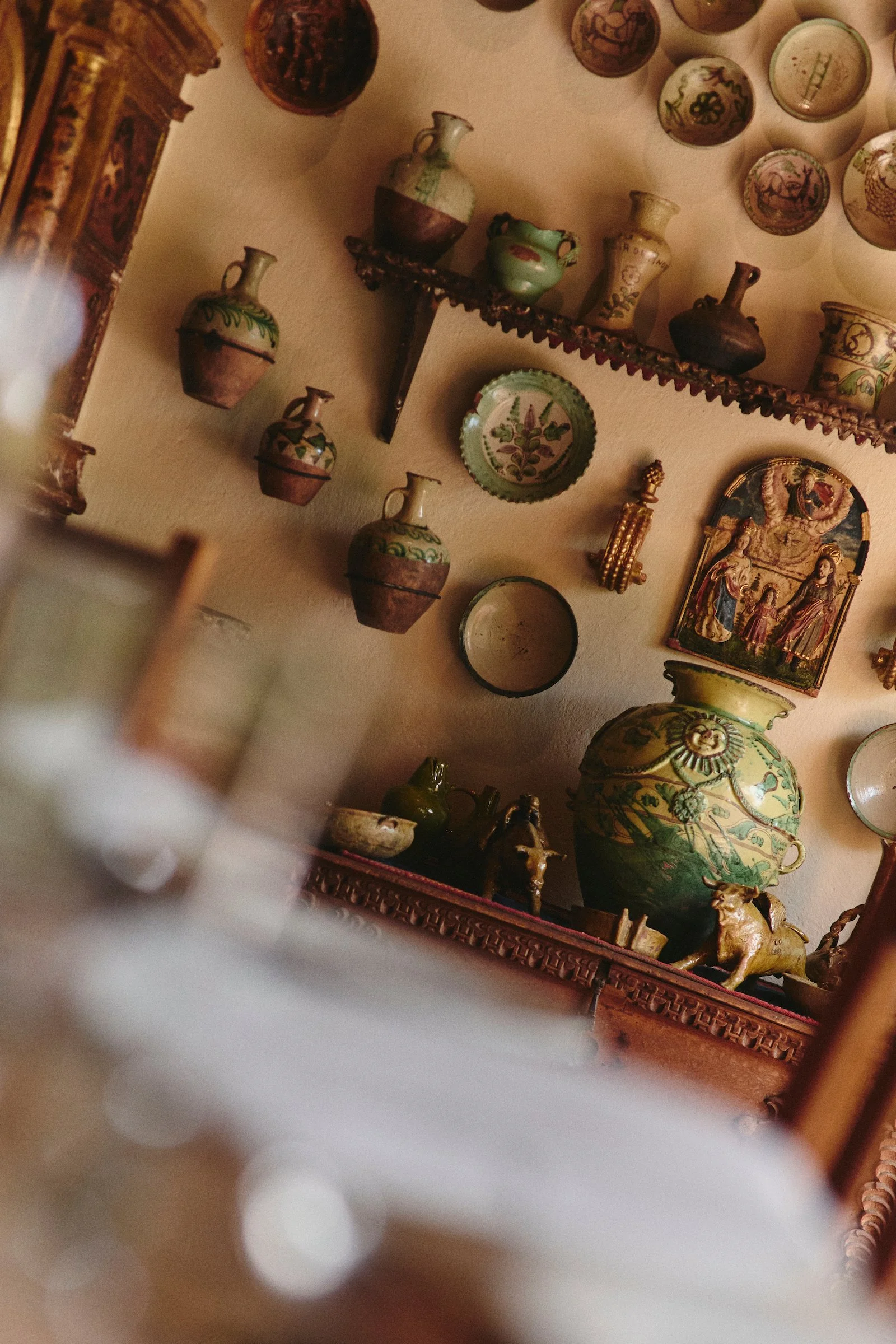
Sprinkled throughout the hacienda are art pieces connected to Tiwanaku, Southern Wari, Inca, and colonial/viceregal history, including artifacts, paintings, and sculptures that help tell the story of the Andes across centuries. Not arranged to impress. They are part of the daily atmosphere of a family estate that has been collecting, farming, hosting, and remembering for generations.
During my recent scouting trip through Peru, I spent the afternoon with José Ignacio and Lucia Lambarri, third- and fourth-generation stewards of Hacienda Huayoccari. We walked the grounds, wandered through the fields, stepped into Lucia’s artist studio, and listened as she explained what it means to inherit a place like this.
Lucia describes herself as the fourth generation living at Huayoccari.
“The Orihuela family settled down in the Valley of Yucay 300 years ago,” she told us.
The house guests visit today was built in the mid-20th century by her great-grandfather, Don José Orihuela Yábar, whose family had been landowners in the Sacred Valley since the 18th century. He purchased the property from the Montes de Peralta family in 1916, became a pioneer in the export of white giant corn, and built a family legacy around agriculture, public life, and art.
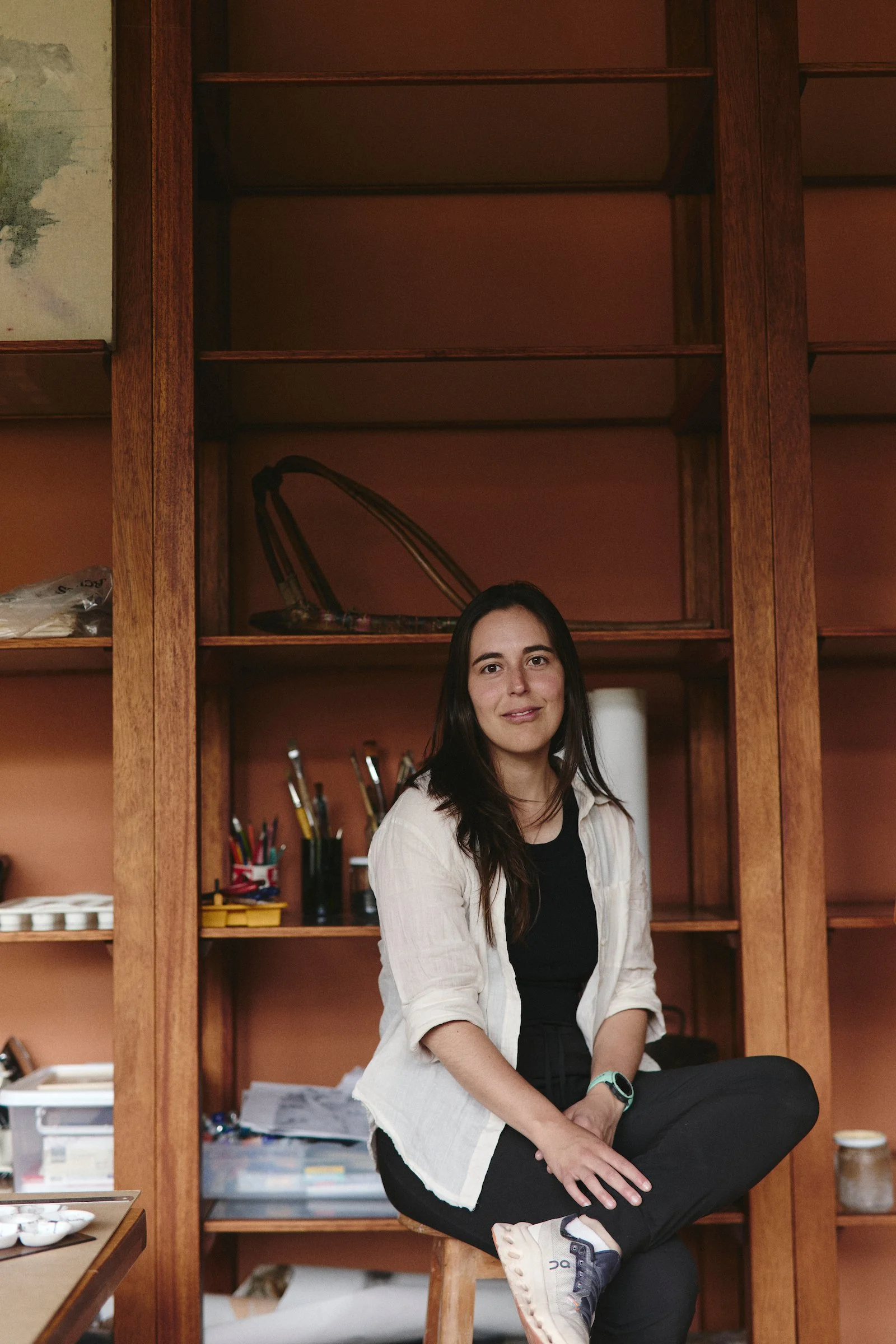
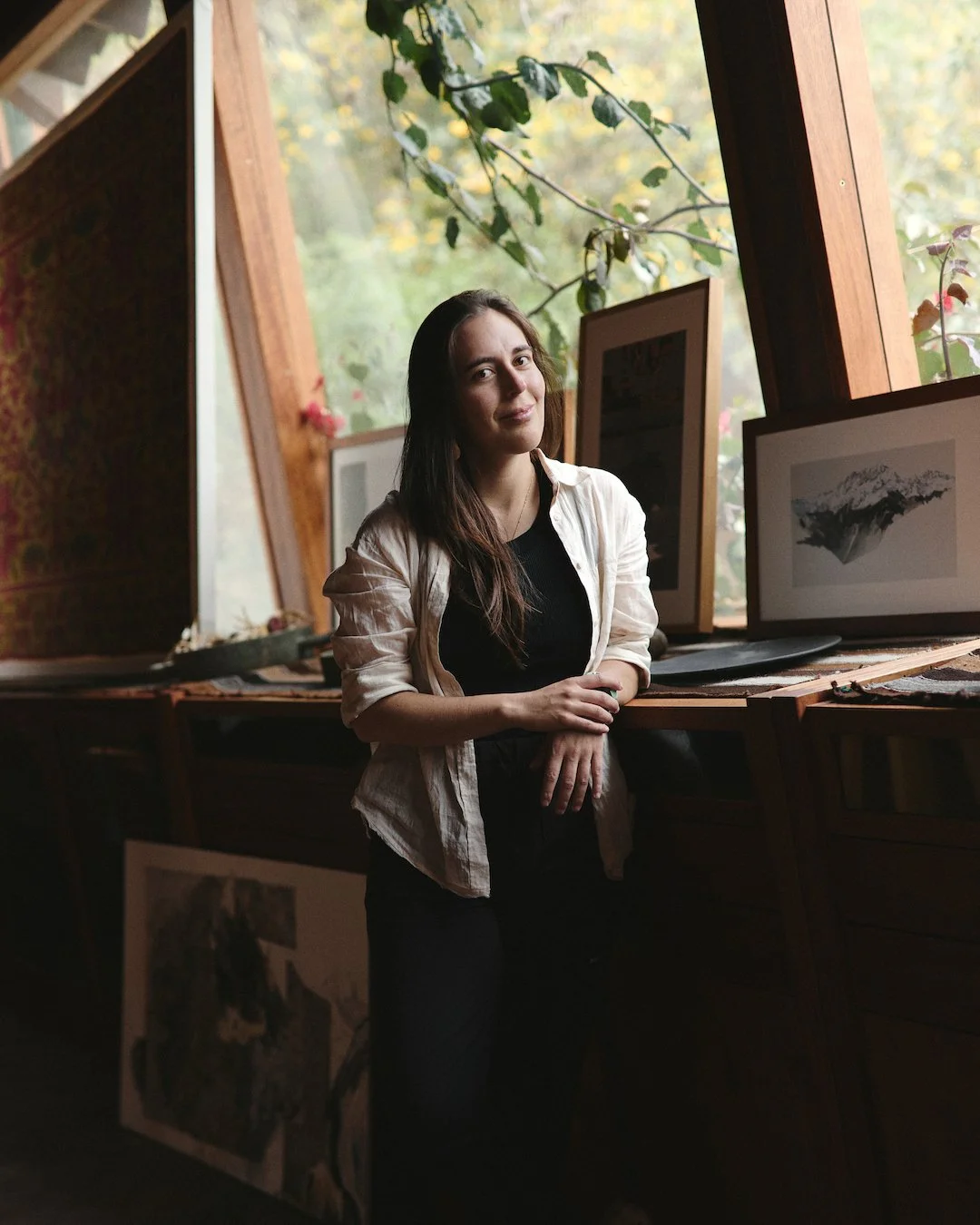
Lucia Lambarri at Hacienda Huayoccari in Peru’s Sacred Valley.
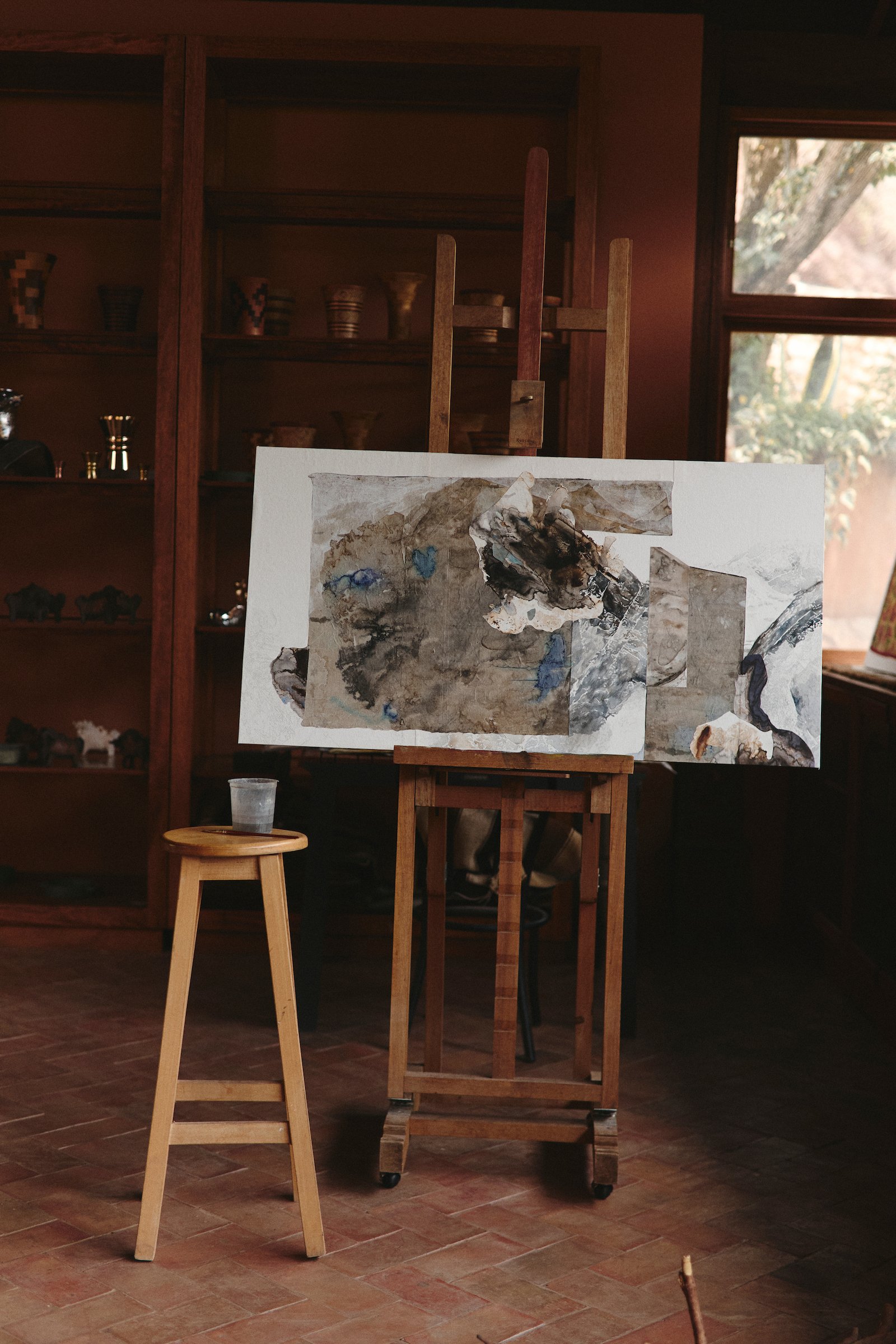
A painting inside Lucia’s studio at Hacienda Huayoccari.
The Return
Lucia grew up here, but she did not stay in one place.
She lived in Lima. She studied in London. She built a life beyond the Valley. But Huayoccari kept calling her back with the steady whisper of family, landscape, and responsibility.
“This property means a lot to me because, firstly, I grew up here,” she said. “It’s been my whole life, in a sense.”
Huayoccari is not a museum pretending to be a home. It is a home that happens to hold a museum’s worth of history. The collection moves from pre-Inca cultures into the Inca period, then through colonial and viceregal works. The fields outside continue the agricultural story. The restaurant helps maintain the house and allows the family to share it with people from around the world.
Lucia’s own work adds another layer. Her background is in painting. She earned a BA in Painting from PUCP in Lima and completed her master’s studies at the Royal College of Art in London. Today, her studio is located on the property.
Art is not something separate from the estate.
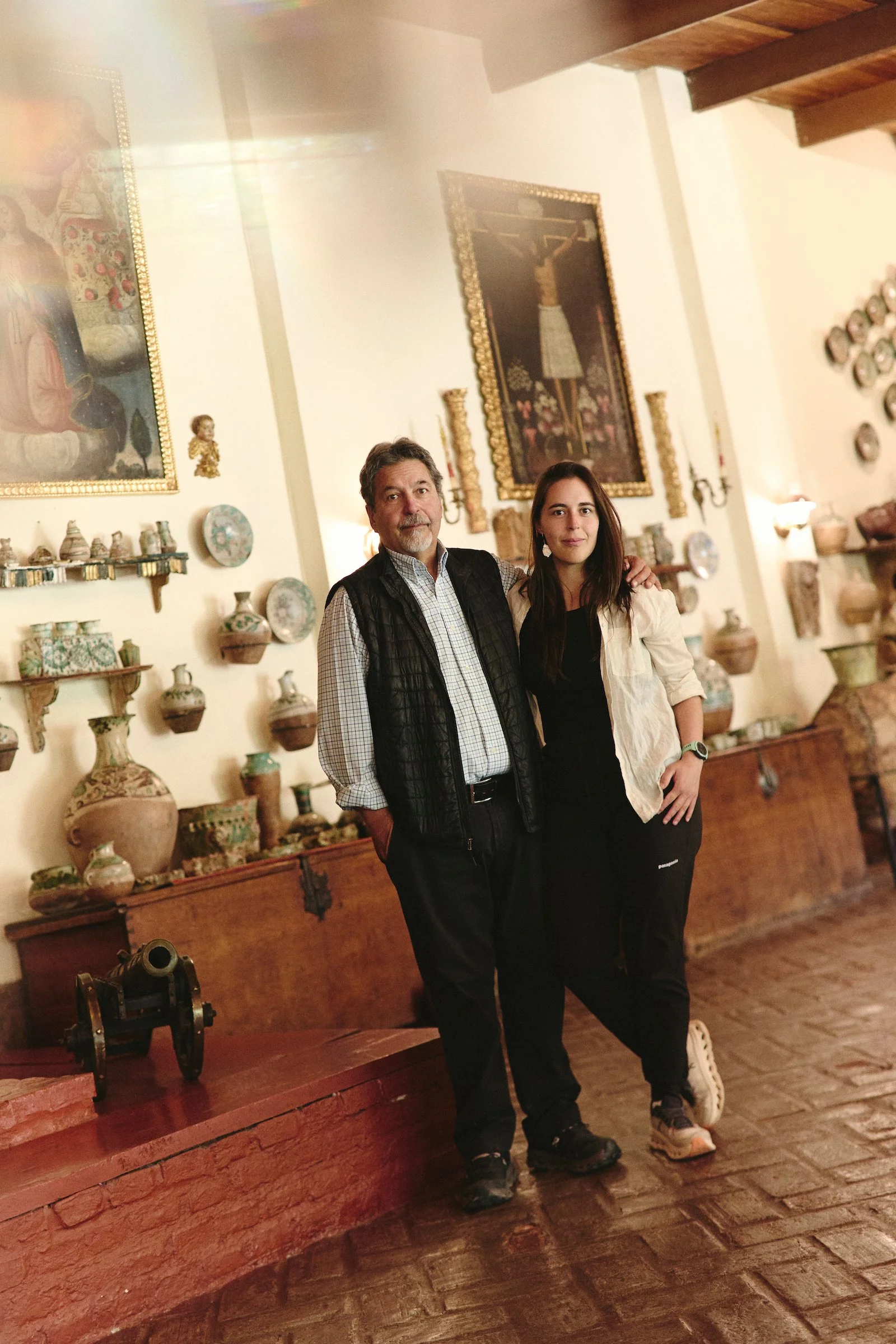
José Ignacio and Lucia Lambarri, third- and fourth-generation stewards of Hacienda Huayoccari in Peru’s Sacred Valley.
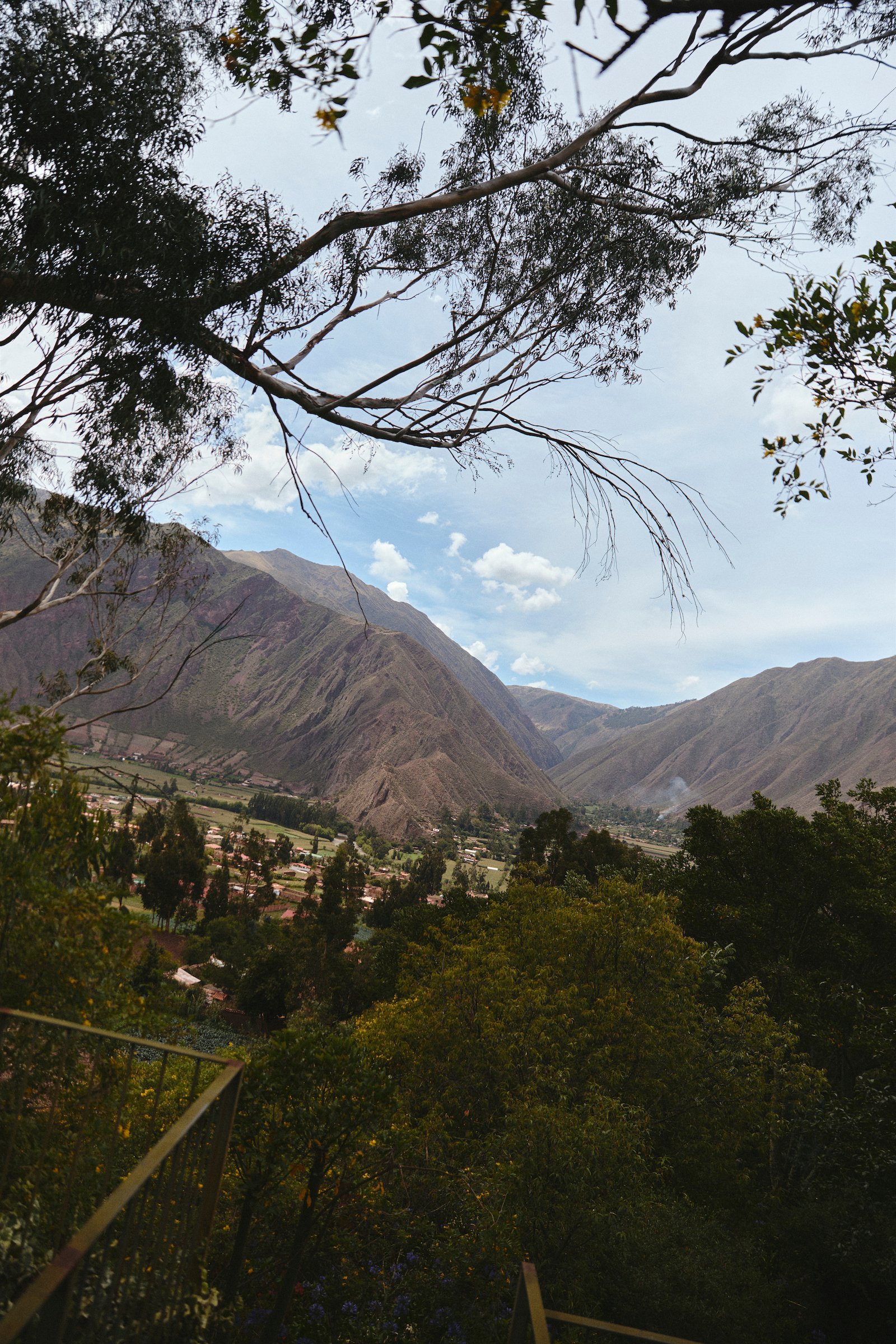
The view of Peru’s Sacred Valley from the terrace at Hacienda Huayoccari.
White Giant Corn and a Living Valley
Hacienda Huayoccari sits in the Sacred Valley, in a place forged by centuries of agriculture, family, and cultural exchange.
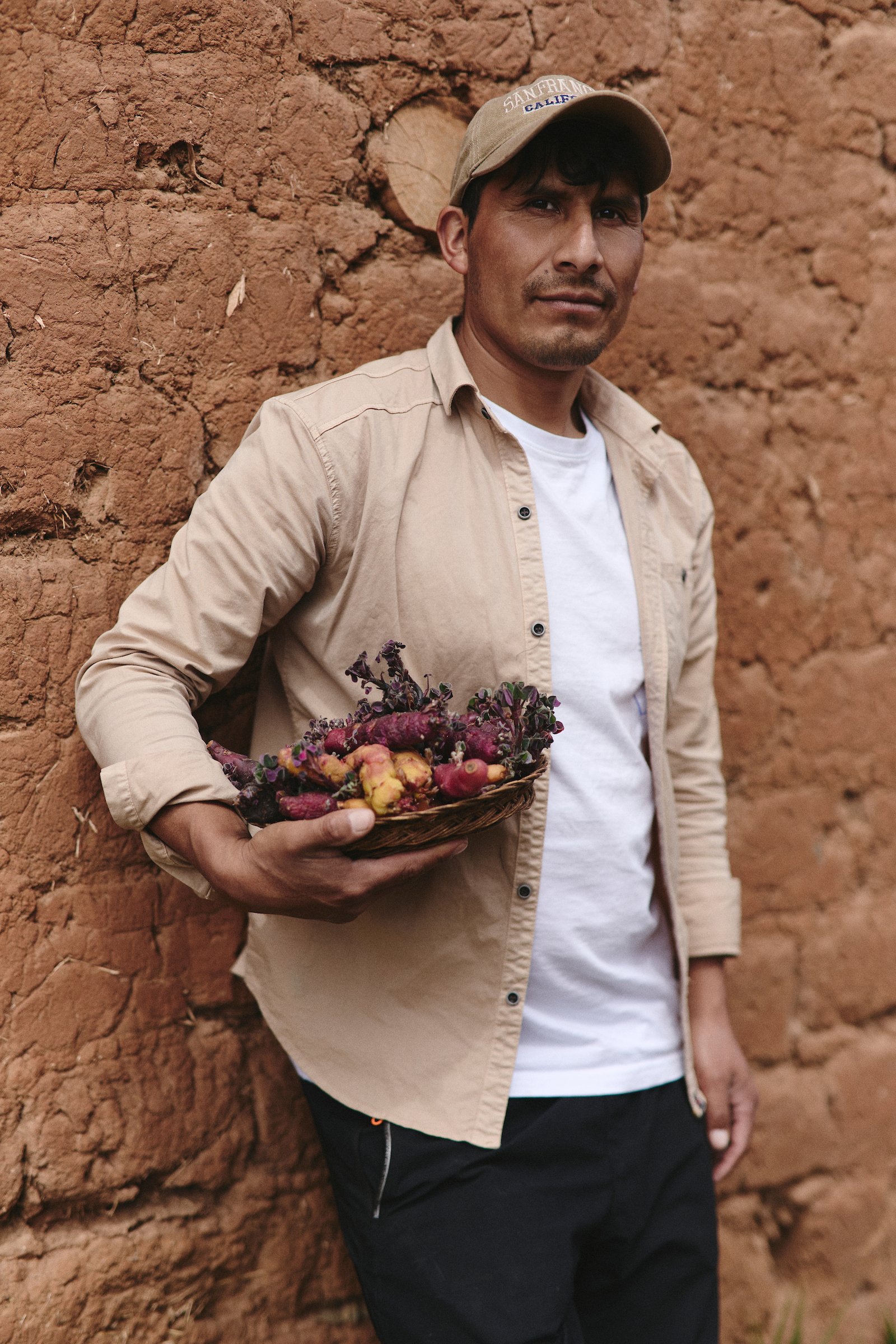
The family has cultivated white giant corn here for generations. In Lucia’s telling, the corn is not just a crop. It is part of the valley’s identity, part of the old relationship between people and altitude, climate, water, labor, and patience.
In brochure-based tourism, the Sacred Valley is often reduced to a corridor between Cusco and Machu Picchu.
Huayoccari pushes against that reduction.
This is not a conventional lunch stop.
Not a scenic restaurant.
Not a place added between bigger names on an itinerary.
Huayoccari is an invitation into a private world. Guests can visit for an intimate lunch, walk through the estate, learn the family history, see the art collection, visit Lucia’s studio, and understand why this house still matters.
“History, Nature, and Tradition”
Near the end of our conversation, Lucia described Huayoccari in three words.
“History, nature, and tradition.”
It’s tough to improve on that.
For Lucia, preservation is not abstract. It means caring for green space in a valley that continues to change. It means protecting rural traditions. It means allowing guests to enter with respect, curiosity, and enough time to take it all in.
“I would describe being in this house as a full experience,” Lucia said, “where you can learn from our history about the Andes, have a glimpse of what has happened since the Incas were here or even before.”
Then she added something simple.
“Traveling is learning.”
I agree. The best experiences are not always the most fancy. They are the ones that connect us with human stories.
Why WhereNext Travel Builds With Lucia
This is the kind of person WhereNext Travel builds with.
She understands that a place like Hacienda Huayoccari is not valuable only because it is beautiful. It is valuable because it connects people to the long memory of the Sacred Valley: pre-Inca history, Inca agriculture, colonial and viceregal art, rural foodways, family recipes, mountain ecology, and the dignity of staying responsible to land.
For guests, the experience is not simply access.
It is a human relationship.
A private lunch becomes more meaningful when you know who grew the corn, who collected the art, who built the house, who returned to care for it, and why the family still chooses to share it.
There’s a subtle difference between visiting and being invited.
At Hacienda Huayoccari, Lucia Lambarri opens the door.
And the Valley shares its story.
#FeelSomething

Gregg Bleakney is the founder and CEO of WhereNext Travel, a luxury Destination Management Company specializing in bespoke journeys across Colombia, Peru, and Latin America. An adventure travel journalist and filmmaker, Gregg has spent more than two decades living in Colombia and traveling throughout Latin America, creating stories, partnerships, and experiences that make people #FeelSomething.
Enjoyed This Article?
Receive monthly destination intelligence, operational insights, and new travel experiences from local teams across Latin America.
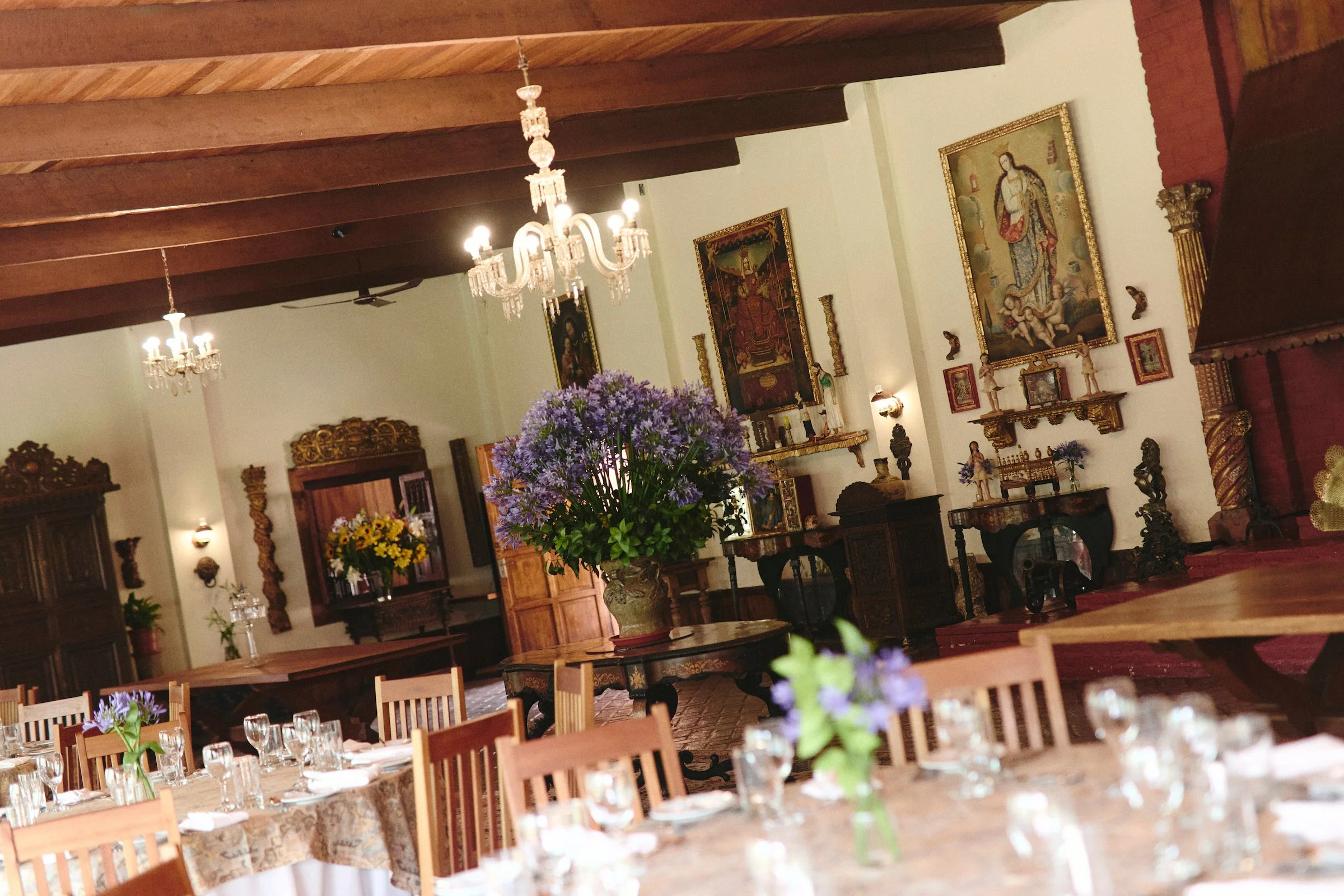
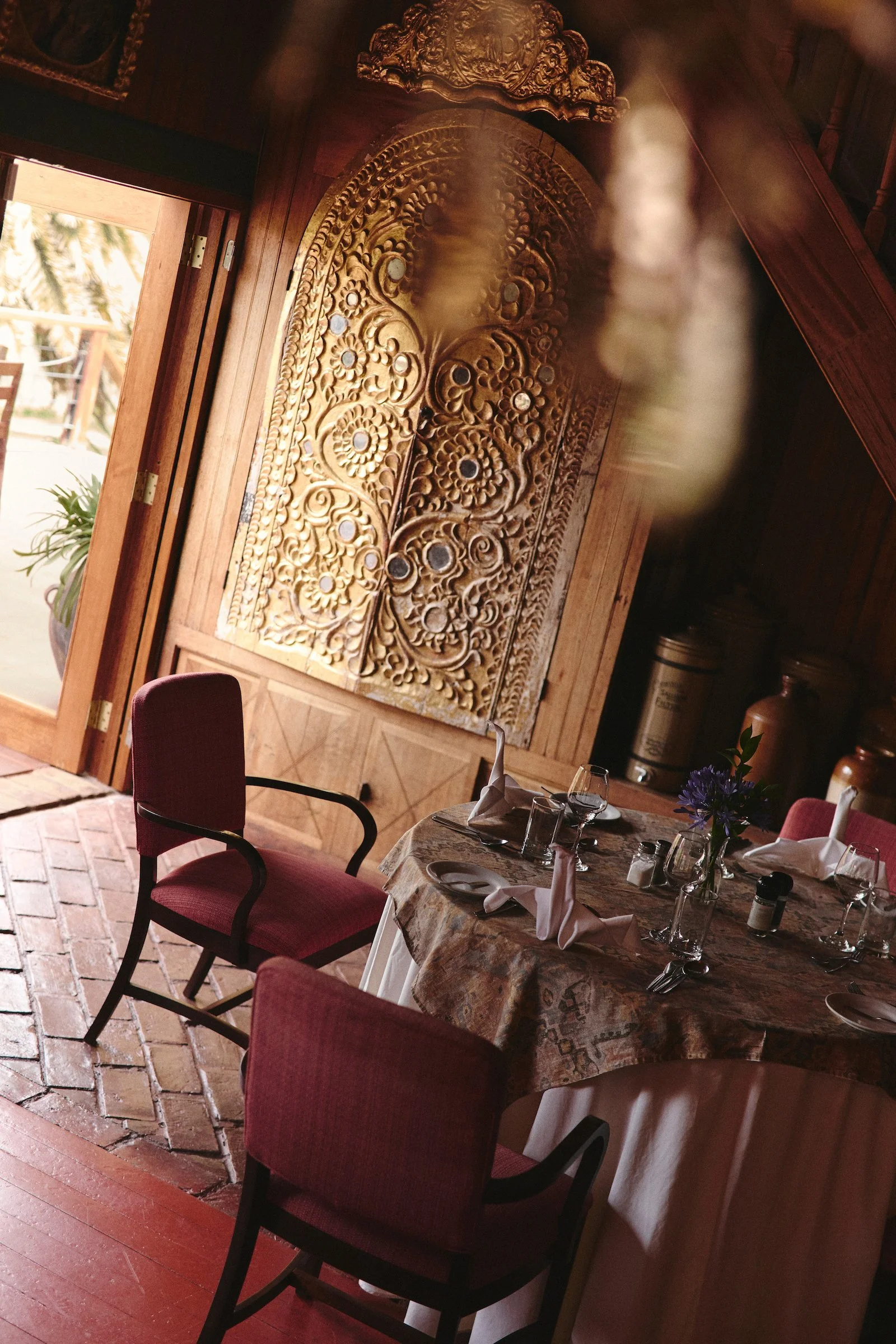
The dining room at Hacienda Huayoccari, where guests share a family-style meal surrounded by Andean history in Peru’s Sacred Valley.