
Solving the WhatsApp Problem in LATAM
Communication Is Easy. Building Institutional Memory Is Hard.
BACK OF HOUSE: Operational Intelligence + Education
Explore the decisions, challenges, and operational realities behind building Latin America's most trusted modern luxury Destination Management Company.
Last year, I received a phone call from a producer working on a 60 Minutes story in Colombia. Their team had spent several weeks trying to contact hotels, transportation companies, guides, and local tourism operators. They had followed what most North American businesses would consider a perfectly reasonable process: identify potential partners, send professional emails, follow up, and wait for responses.
The responses never came.
Their question was one I've heard dozens of times over the past twenty years from journalists, entrepreneurs, travel advisors, and international companies trying to establish relationships in Colombia.
"We've emailed everyone. Nobody seems interested. What's going on?"
My answer was the same one I've given for years.
"Have you tried WhatsApp?"
For someone accustomed to doing business in the United States, that answer can sound almost flippant. It isn't. It's one of the first operational realities anyone encounters when they begin working in Latin America. Communication norms are fundamentally different here, and understanding those differences often determines whether a business relationship begins at all.
I learned that lesson long before founding WhereNext Travel. In 2008, while reporting stories throughout Colombia for National Geographic Adventure and VeloNews, I discovered that building relationships required a different rhythm than I was used to in North America. People built relationships differently. Communication happened through introductions, phone calls, and increasingly through mobile messaging. Over the following decade, as smartphones became ubiquitous across the region, WhatsApp quietly evolved from a consumer messaging application into something much larger. It became part of Latin America's commercial infrastructure.
Today, that reality surprises many first-time visitors. Across much of Latin America, WhatsApp isn't simply another communication tool. It is often the first point of contact between hotels and guests, transportation companies and operators, guides and destination management companies, suppliers and buyers. Waiting for an email response may take days. A thoughtful WhatsApp message often receives a reply within minutes.
From the outside, that can look informal. From the inside, it is simply how business is conducted.
The interesting story, however, isn't why Latin America uses WhatsApp.
It's the operational problems it creates for growing premium travel businesses dealing with international guests.
The Hidden Infrastructure Behind Every Luxury Journey
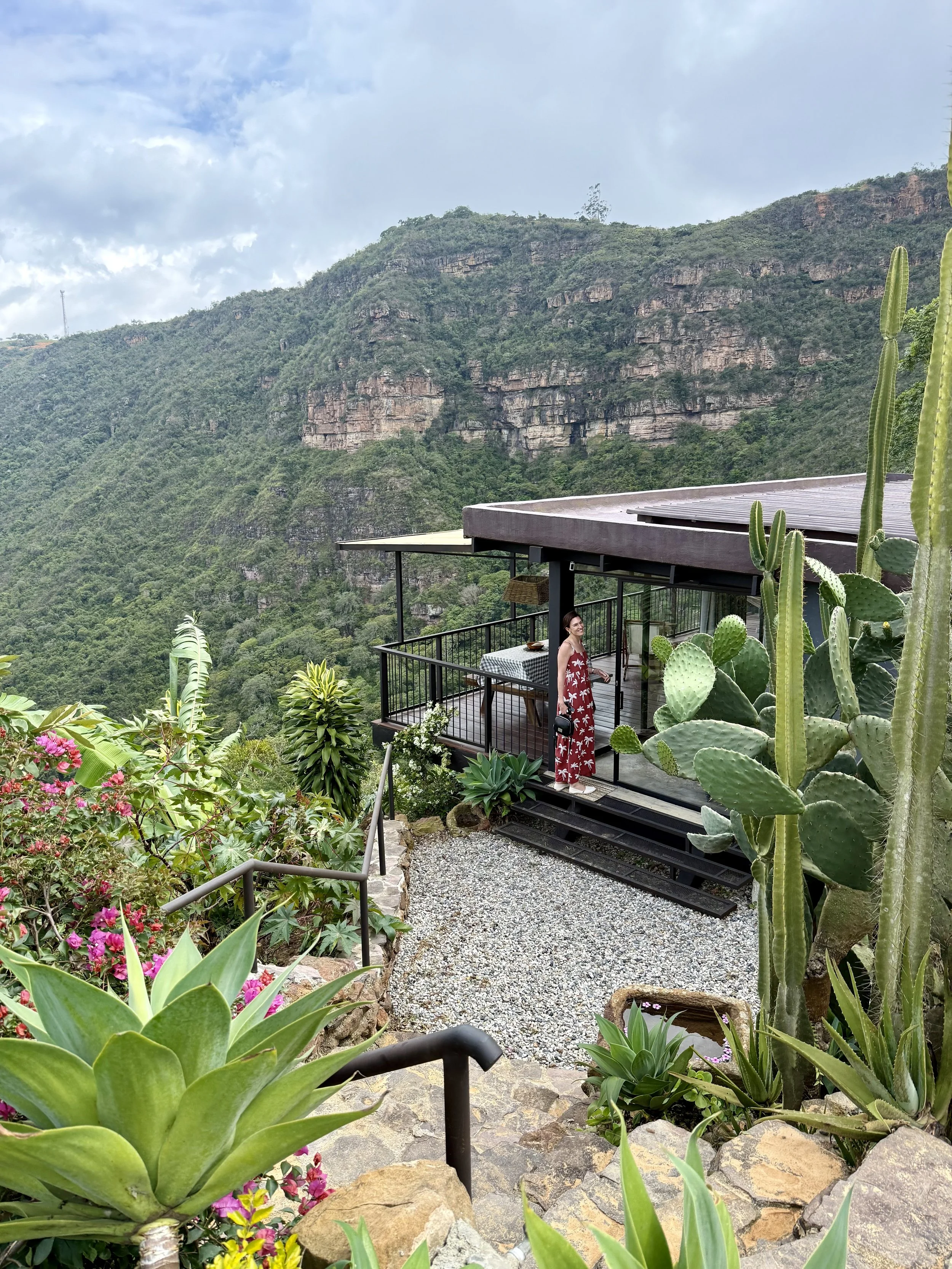
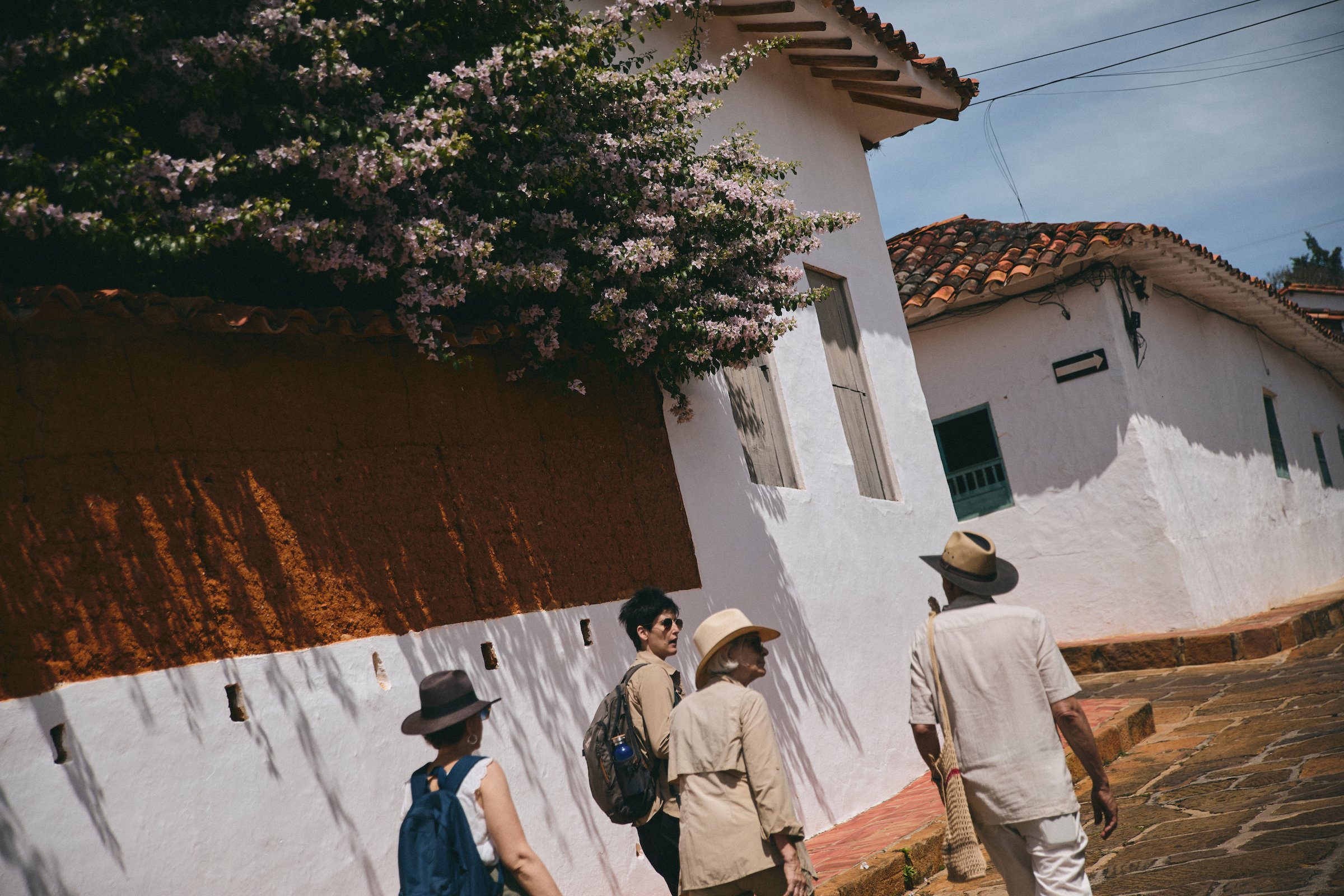
Luxury travel is often presented as a collection of beautiful experiences. A private guide walking guests through Barichara’s ancient trails. A boutique hotel tucked into the Sacred Valley. A chef preparing dinner inside a coffee hacienda in Colombia.
Those experiences are real, but they represent only the visible layer of a much larger operational system.
Behind every itinerary is an enormous amount of coordination. Hotels confirm availability. Transportation providers adjust schedules. Guides share updated meeting locations. Museums approve private access. Restaurants accommodate dietary restrictions. Airlines change flight times. Guests miss connections. Weather shifts. Roads close unexpectedly. Every one of those events generates new information, and every new piece of information must find its way to the right person before it becomes a guest problem.
Over time, I came to realize that luxury travel isn't simply the business of creating memorable experiences. It's the business of managing information efficiently.
That information rarely arrives in one format. It lives in hotel contracts, supplier invoices, spreadsheets, PDFs, voice notes, photographs, booking confirmations, and, in Latin America, WhatsApp conversations. Some of the most important operational decisions made during a trip happen inside conversations between people solving problems in real time, over WhatsApp.
That isn't a flaw in the system.
It's simply how the system evolved.
Why WhatsApp Became the Default
The widespread adoption of WhatsApp throughout Latin America wasn't accidental. It was the result of several practical realities converging at the right moment.
As smartphones became more affordable, messaging over mobile data quickly replaced traditional SMS, which had historically been more expensive and less flexible. For many people, their smartphone became their primary connection to the internet, bypassing the desktop-first habits that shaped communication in North America. Families adopted WhatsApp because it was inexpensive, reliable, and worked across international borders. Businesses naturally followed because that's where their customers already were.
Tourism was no exception.
Hotels answered inquiries through WhatsApp. Drivers confirmed airport pickups. Guides shared live updates. Banks responded to client questions. Suppliers exchanged contracts and pricing. What began as a messaging platform gradually became part of the operating environment itself.
Ironically, that success created an entirely new challenge.
The Day Communication Stops Being Enough
Every growing company eventually reaches a point where communication is no longer its biggest operational challenge.
Memory is.
That realization didn't happen overnight. Like many founders, my first instinct was to look for better software. As WhereNext Travel grew, I implemented several project management platforms, convinced that if I could get everyone using the same system, our operational problems would disappear.
They didn't.
The software wasn't the problem. My assumptions were.
I was asking Colombian employees, suppliers, and guides to abandon communication habits that had evolved for good reasons. They weren't resisting technology; they were resisting friction. Every new platform asked them to work differently, think differently, and communicate differently than they already did. It wasn't surprising that adoption was inconsistent.
Eventually, I realized I had been asking the wrong question.
The goal wasn't to replace WhatsApp.
The goal was to find systems that felt as natural and immediate as WhatsApp while giving the company something WhatsApp never could: institutional memory.
That changed how I thought about technology.
Instead of asking people to adapt to software, I began looking for software that adapted to people. Our internal communication systems needed to feel familiar enough that the transition was almost invisible. If sending a message, sharing a document, or asking a question required more effort than opening WhatsApp, people would inevitably return to WhatsApp.
Once we found tools that mirrored the way our teams naturally communicated, adoption happened almost on its own. Conversations became searchable. Decisions were documented automatically. Files stayed connected to projects instead of individual phones. Most importantly, knowledge became part of the organization rather than belonging to whichever employee happened to be involved in the conversation.
Every growing company eventually reaches the same moment. A supplier changes jobs. An employee leaves. A phone is lost or stolen. Years of pricing history, operational decisions, guest preferences, and supplier relationships can disappear overnight if they exist only inside personal conversations.
That's when I realized our company wasn't running on systems.
It was running on conversations.
Operational Trust Is What Travel Advisors Are Actually Buying
Travel advisors rarely ask what software a Destination Management Company uses.
Nor should they.
The real question is whether the organization can continue operating when something unexpected happens.
If a guest misses an international connection, can another team member immediately understand the situation? If a transportation strike closes a major highway, can someone unfamiliar with the original booking access the supplier history and identify alternatives? If a hotel assigns the wrong room or a guide becomes unavailable, does the organization's knowledge belong to one employee, or to the company itself?
How We're Thinking About It at WhereNext Travel
I don't believe the future of luxury tourism lies in replacing WhatsApp. Trying to force suppliers, guides, and independent operators into unfamiliar systems often creates more friction than value, particularly for businesses that only work together occasionally.
Instead, we've focused on a different objective.
Our internal teams now work inside dedicated operational systems where important decisions become searchable, documented, and accessible across the organization. As relationships deepen, the dream is that our closest hotel partners, transportation providers, and guides choose to work inside those systems as well, not because we require it, but because doing so genuinely saves them time.
That distinction matters.
Technology adoption follows value, not mandates.
The best operational systems don't force people to change how they naturally work. They quietly remove friction while preserving institutional memory.
We're still learning. Like every growing company, our systems continue to evolve. But the goal has become much clearer than it was a decade ago. We aren't trying to standardize communication. We're trying to ensure that the knowledge created through communication becomes part of the organization rather than remaining trapped inside individual conversations.
Looking Beyond Tourism
The more I've thought about this challenge, the more I've realized it extends far beyond travel.
Banks communicate through WhatsApp. Lawyers do. Construction companies do. Restaurants, healthcare providers, and countless small businesses across Latin America rely on the same communication infrastructure. Tourism simply makes the consequences more visible because every guest experience depends on hundreds of independent decisions being coordinated in real time.
I don't believe artificial intelligence will help organize those conversations.
The companies that will lead luxury tourism across Colombia, Peru, and eventually the rest of Latin America will be the ones that combine local relationships with operational discipline and beautiful systems.
Companies that respond like a human-led business...
while remembering like an AI agent.
That's what we're building towards.
#FeelSomething

Gregg Bleakney is the co-founder of WhereNext Travel, a luxury Destination Management Company operating across Latin America. His work focuses on operational travel systems, premium travel execution, and marketing developed through two decades of firsthand experience building and managing projects across the region. Through BACK OF HOUSE, he explores the insider realities shaping luxury travel in Latin America.
Enjoyed This Article?
Receive monthly destination intelligence, operational insights, and new travel experiences from local teams across Latin America.
FAQ
Why is WhatsApp so widely used for tourism businesses in Latin America?
WhatsApp became the dominant communication platform across much of Latin America because it offered a free, mobile-first alternative to traditional SMS while smartphones were rapidly becoming people's primary connection to the internet. Over time, families adopted it first, businesses followed, and it evolved into an essential part of the region's commercial infrastructure.
Why are many tourism suppliers in Latin America slow to respond to email?
Many hotels, guides, transportation companies, and tourism suppliers prioritize WhatsApp over email for day-to-day business communication. A lack of email response often reflects regional communication norms rather than a lack of professionalism or interest in working together.
Is WhatsApp appropriate for luxury tourism operations?
Absolutely. WhatsApp is an essential communication tool throughout Latin America and allows suppliers, guides, and operations teams to coordinate quickly. The operational challenge isn't using WhatsApp, it's ensuring that important information doesn't remain trapped inside individual conversations.
What is institutional memory in tourism operations?
Institutional memory is the knowledge an organization retains over time, including supplier history, pricing decisions, guest preferences, operational procedures, and past problem-solving. Strong institutional memory allows companies to maintain consistency even when employees change roles or suppliers evolve.
Why does institutional memory matter for luxury travel?
Luxury travel depends on thousands of operational decisions made before and during every trip. When important information exists only inside personal phones or messaging apps, companies become dependent on individuals rather than systems. Preserving institutional memory improves continuity, consistency, and crisis response.
Why should travel advisors care about a DMC's operational systems?
Travel advisors aren't buying software, they're buying operational excellence. A well-organized Destination Management Company should be able to recover quickly from flight disruptions, transportation strikes, supplier changes, or unexpected guest needs because operational knowledge is shared across the organization rather than owned by one individual.