
WhereNext Originals | How Serendipity Becomes a Travel Experience: BACK OF HOUSE
Inside the discovery, testing, and operational work behind WhereNext Original experiences.
BACK OF HOUSE examines the challenges, systems, trade-offs, and judgment behind designing, operating, and continually improving the travel experience in Latin America.
What Traveling on a Bicycle Taught Me About Serendipity
When traveling on a bicycle, distance stops being an abstract number.
A ribbon of road on a map becomes a 40-kilometer climb. A headwind becomes an afternoon. The landscape burns your hamstrings before it reaches your understanding.
You move slowly enough to notice the places between the places.
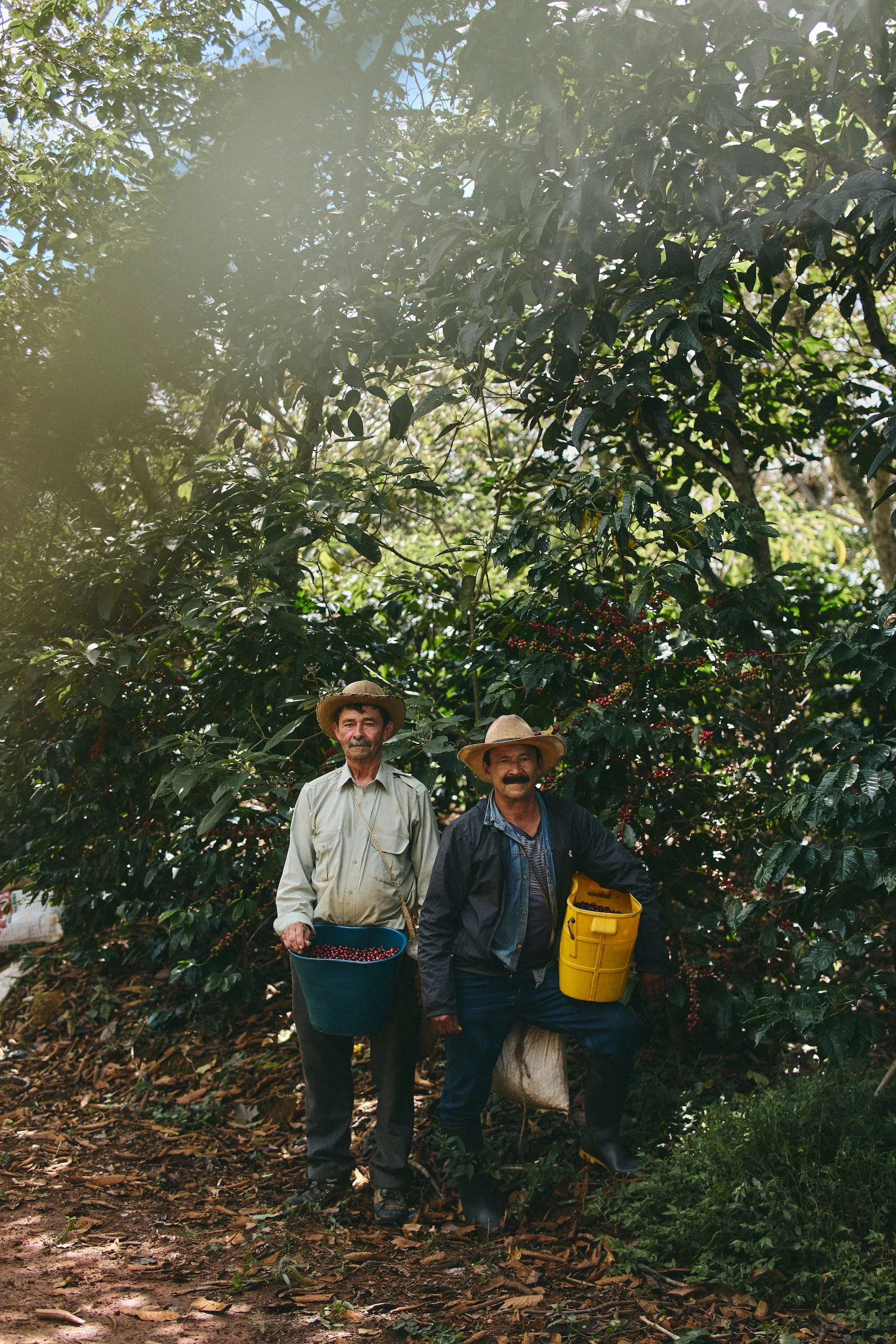
These are the towns where nobody has prepared for your arrival. The food has not been vetted by a top-50 restaurant list. You eat it because you are hungry, desperate for calories, and someone with a giant smile and big bushy mustache has placed a full plate in front of you.
You stop to ask for directions. A flat tire becomes an invitation. Someone tells you about a farmer, a mechanic, an artist, or a backroad you will not find in the guidebook.
I spent almost a decade traveling this way, including my 30,000-kilometer bicycle journey through the Americas. Over time, I learned how to facilitate my own luck.
Management research on serendipity makes a similar distinction: surprise becomes valuable only when someone notices it, acts on it, and develops the possibility. (Busch, 2024)
It was not a mystical skill. It was mostly a matter of slowing down, asking questions, and remaining curious long enough to identify those special humans who have a gift for opening doors into worlds you did not know existed.
Years later, when we began designing trips at WhereNext Travel, I kept returning to the same question:
Could we make that kind of discovery a more deliberate part of our experience design?
Not by artificially scripting serendipity for guests. That would miss the point.
Could we build a company that notices what others pass, follows the whisper, and then does the operational work required to turn a chance discovery into an experience a guest can enter?
That question became the beginning of WhereNext Originals.
For Travel Advisors & Operators
Looking for travel experiences in Colombia or Peru that extend beyond standard supplier catalogs?
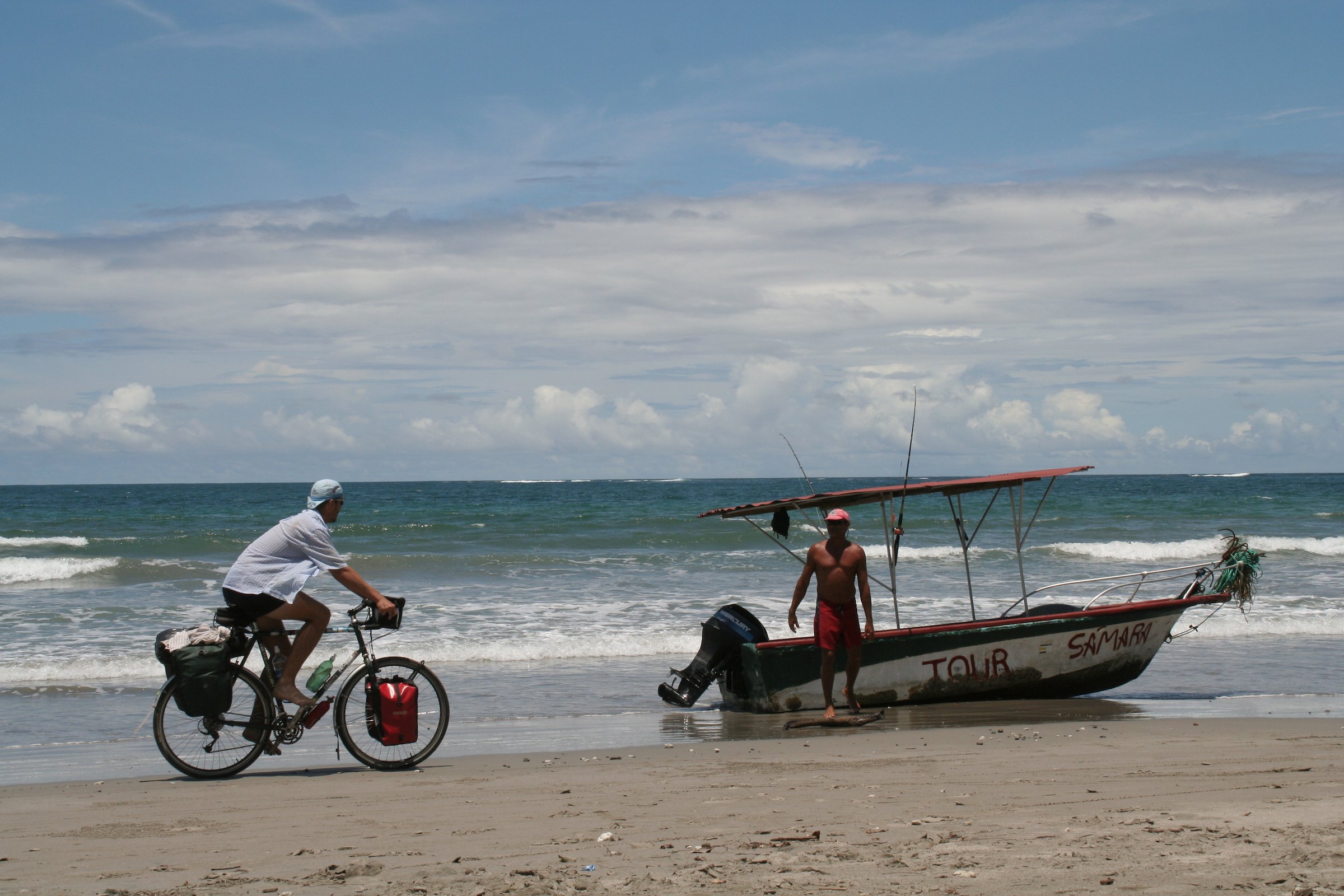
Me, in 2006, traveling by bicycle from Alaska to Argentina, an experience that influenced the development of WhereNext Originals.
Key Takeaways
A WhereNext Original is an experience our team discovers, develops, tests, and takes operational responsibility for delivering. It introduces guests to people, places, and ideas they would be unlikely to find on their own.
A WhereNext Curated Experience already exists in a partner’s catalog and has been selected and quality-controlled by our team.
Serendipity Is Not the Opposite of Planning
Travel tends to frame planning and spontaneity as opposites.
You either follow the itinerary or throw it away.
The reality is less tidy.
Researcher Micol Mieli uses the term “planned serendipity” to describe the way planned and unplanned behavior coexist during travel. Her research found that travelers continually adjust decisions based on what they encounter on the ground. The same tools that reduce uncertainty can also reduce the space in which something unexpected occurs.
A guest may want the feeling that something unfolded naturally. The travel advisor still needs the vehicle to arrive, the host needs to know who is coming, and the team needs to account for timing, access, safety, and weather.
A destination management company cannot simply tell guests to get lost and hope something meaningful happens.
Our responsibility is almost the reverse.
We remove the operational uncertainty surrounding the encounter without removing all of the uncertainty from the encounter itself.
The essential logistics have been handled, but the encounter still has room to breathe.
The guest should not feel that machinery.
They should feel doors opening.
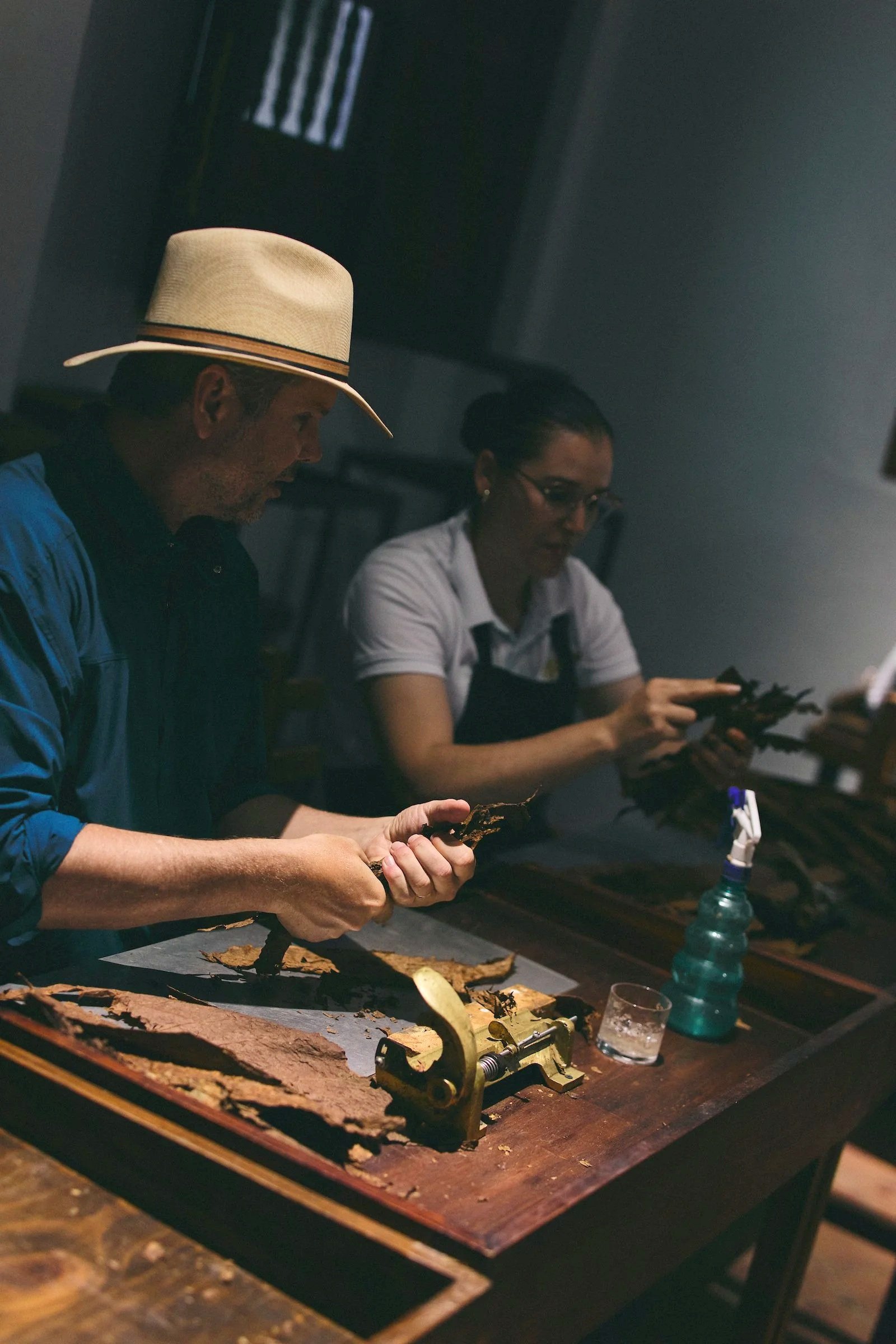
What Is a WhereNext Original?
A WhereNext Original is a travel experience our team discovers, develops, tests, and takes operational responsibility for delivering. It introduces guests to people, places, and ideas they would be unlikely to find on their own. Unlike a WhereNext Curated Experience, which already exists in a supplier catalog and is selected, quality controlled, and sometimes operated by our team, an Original is developed through firsthand discovery, local relationships, experience design, logistical testing, and ongoing operation.
The beginning is usually a bit messy.
Someone on our team gets lost during a road trip. A guide shares a name. A personal passion becomes a reason to ask another question.
At that stage, we do not have a product.
We have an idea.
Originality may come from recognizing a person others overlooked or connecting existing ideas in a way that changes how both are understood.
The work begins when we decide the observation might contain something worth pursuing.
We return. We ask questions. We spend time with the people involved. We try to understand what is already happening before deciding whether a guest belongs inside it.
Then the operational questions begin.
What is the guest actually being invited to do?
What makes the encounter interesting without forcing the host to perform a simplified version of their life?
How many people can participate before the dynamic changes?
Can it be delivered well for the second booking, not only the first?
Sometimes the answers lead somewhere.
Sometimes they do not.
An idea can be fascinating and still fail as a travel experience. The journey may require too much of the guest’s time in a car. An encounter that works beautifully for two people may collapse with eight.
Not every experience in a WhereNext Travel itinerary is a WhereNext Original.
Nor should it be.
Latin America already has exceptional guides, chefs, biologists, boat operators, artisans, properties, and community organizations doing work that does not need to be reinvented. Our job is to recognize when our involvement improves the experience and when it would merely get in the way.
Again, we call these WhereNext Curated Experiences.
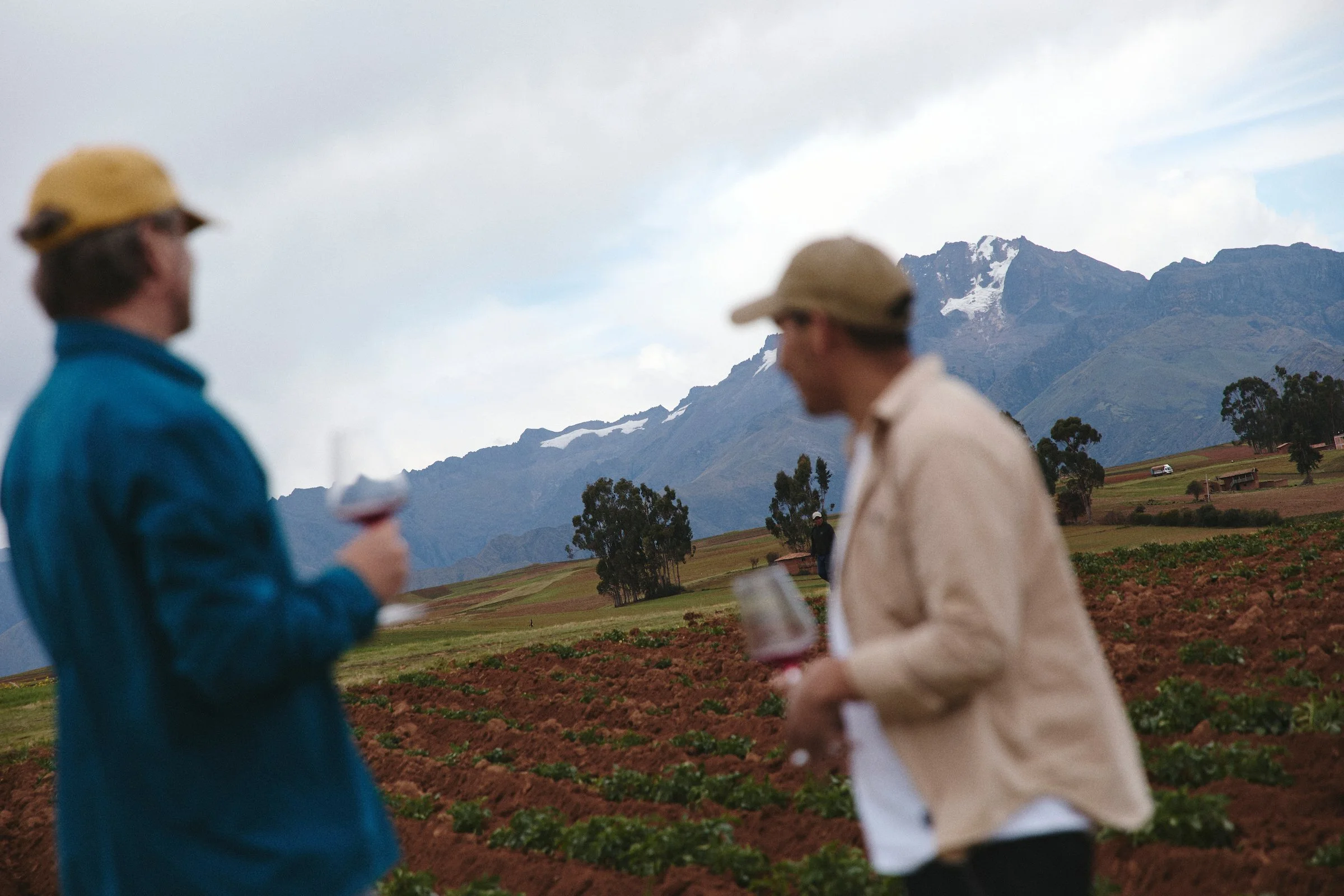
The WhereNext Travel team scouting and testing a WhereNext Curated Experience, Dirt Under Fingernails, in Huatata, Peru
Respecting the Humans Behind the Experience
A qualitative study of residents in Garmisch-Partenkirchen found that local people contributed to tourist experiences both actively and passively. The researchers also found little evidence that every host–guest encounter could be neatly understood as “co-creation.” The business relationship needs to be formalized.
The person on the other side of the door is not a prop in someone’s Instagram post.
An experience has to make sense for them too.
My strongest encounters often feel generous because they began with a real relationship rather than a commercial request.
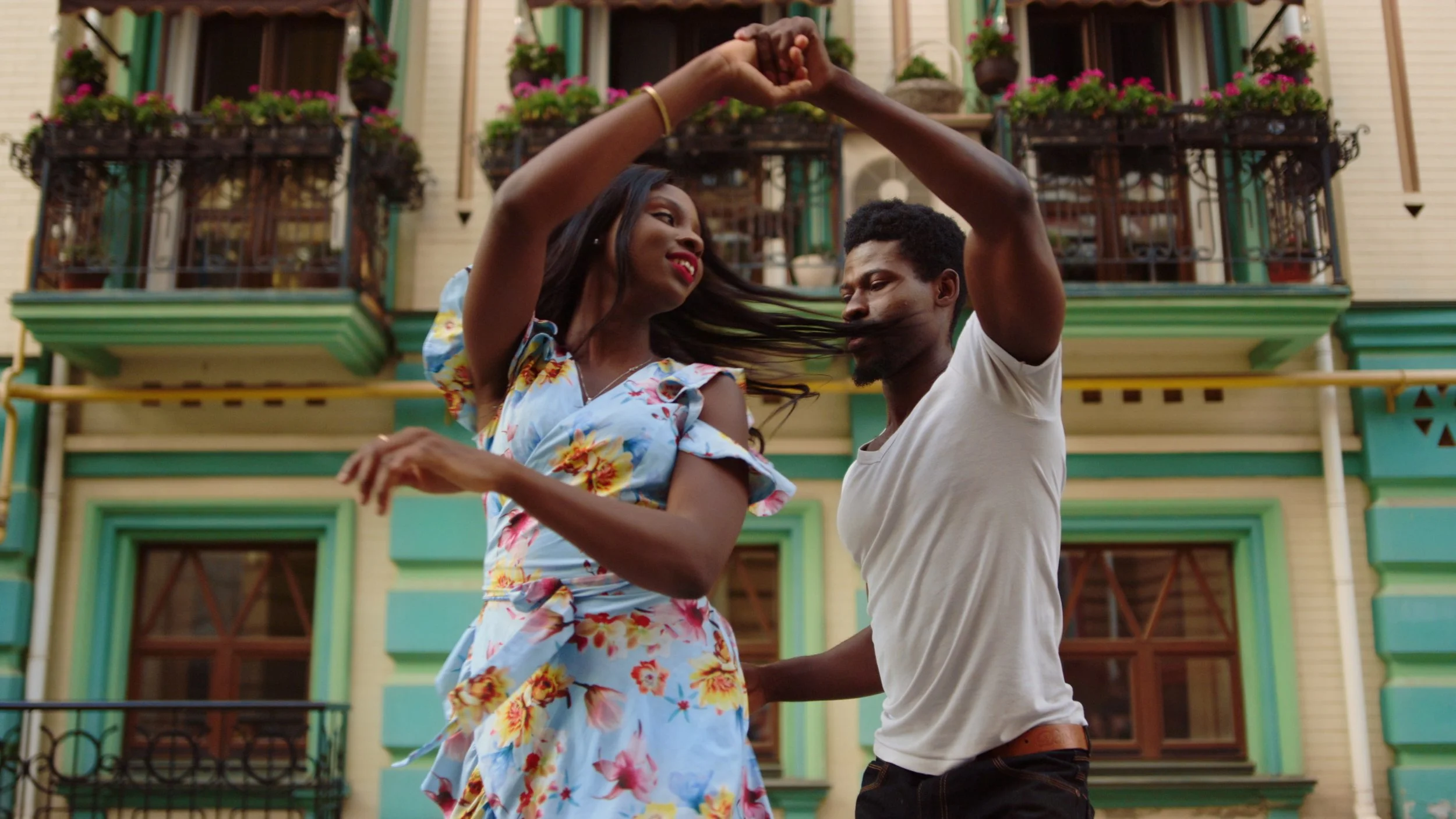
Our WhereNext Travel Original “Angie’s Salsa Flash Mob” in Bogotá is one example. It did not begin with a search for a dance product. It grew from co-founder Angelika Köhler’s 10-year history inside the city’s competitive salsa community. The operational design adds enough coordination for guests to enter that world while allowing the moment to retain its surprise.
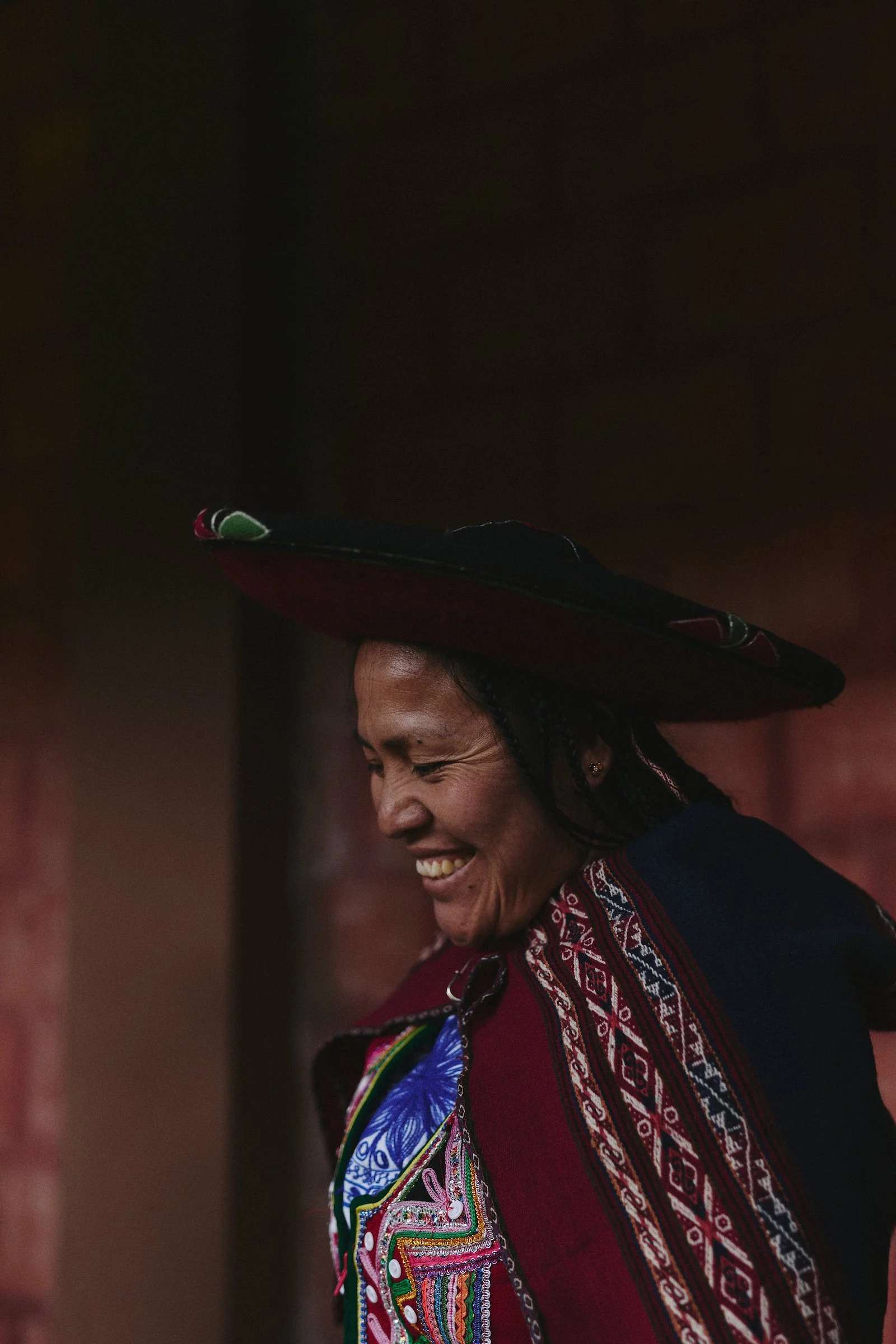
The WhereNext Curated Chinchero textile experience in Peru emerged differently. It developed through Peru Country Manager Fioralla Freyre’s years of relationship building with people working to preserve Andean textile traditions. The access is valuable because the relationship preceded the itinerary.
The beginnings differ.
The pattern does not.
A person opens the first door. Curiosity carries us through it. Operations determine whether a guest can follow.
ORIGIN | Our community. Their stories.
ORIGIN is our ongoing investment in telling the stories of the guides, conservationists, chefs, artists, entrepreneurs, and local partners who make the travel we design possible. Through film and portrait storytelling, we spotlight the people shaping the future of tourism across Latin America.
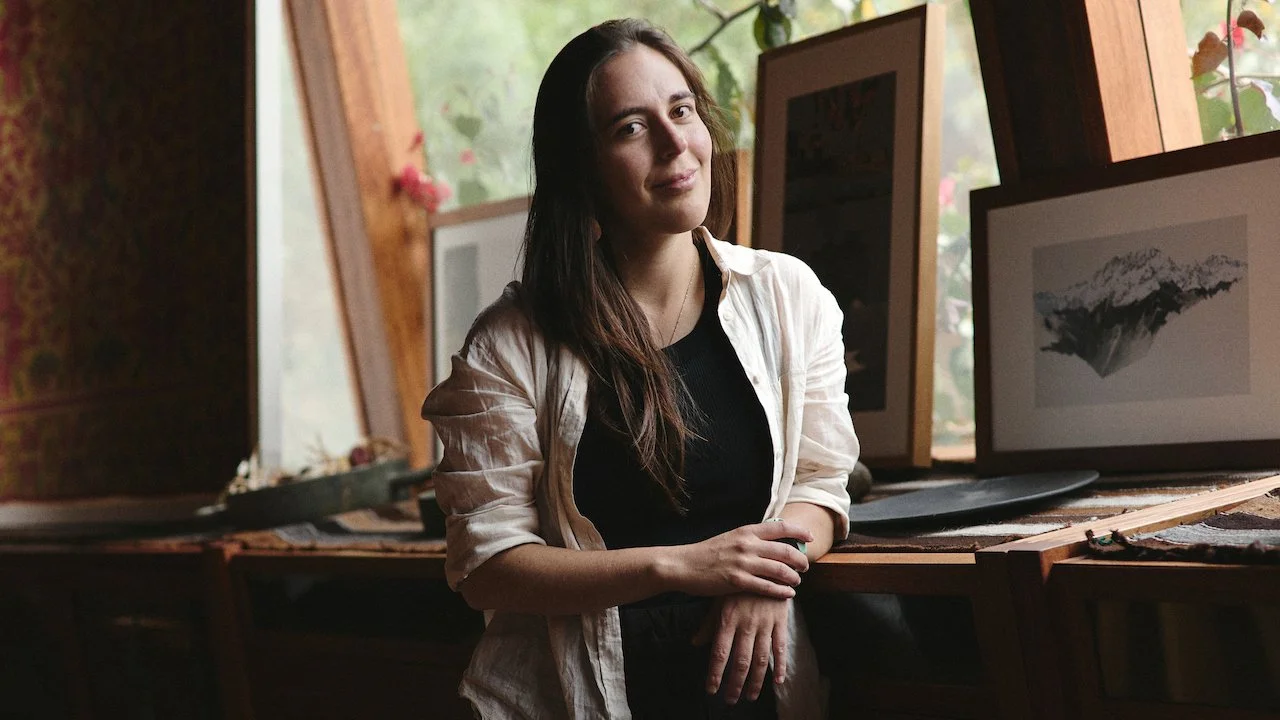
Inside a private hacienda in Peru’s Sacred Valley, fourth-generation artist Lucia Lambarri is preserving a family world of pre-Inca art, white giant corn, mountain ecology, and Andean hospitality. ORIGIN | Lucia Lambarri
The Hidden Work Behind the Finished Moment
A memorable experience often appears simple once it works.
That simplicity can be misleading.
Before a guest arrives, someone has usually driven the route more than once. Someone has discovered that the morning works better than the afternoon. Someone has learned how long a teenager actually wants to participate rather than how long the activity takes on paper.
The team has considered transport, timing, accessibility, communication, weather, and contingency plans.
None of those elements create human connection.
Any one of them can destroy it.
A late vehicle can reduce a generous conversation to ten hurried minutes. An oversized group can turn a kitchen into a stage.
The operational objective is not to control every moment.
It is to protect the conditions in which the moment can occur.
Questions Worth Asking Your DMC
Who originated the experience, and who is responsible for operating it?
What relationship exists between the DMC and the people receiving guests?
How has the experience been tested when timing, weather, or group dynamics change?
Leaving Room for the Unexpected
The longer I work in travel, the more I understand what bicycle travel taught me about designing it.
On a bicycle, you feel a place differently. A mountain is not scenery. You climb it. A headwind changes your afternoon. Hunger makes you stop. Directions require a conversation.
Moving that slowly creates moments to connect with other people.
A modern itinerary cannot reproduce the vulnerability of my multi-year bicycle journey, and it should not try.
But it can leave room for people to slow down.
Room to talk to the grandmother selling ice cream in the plaza.
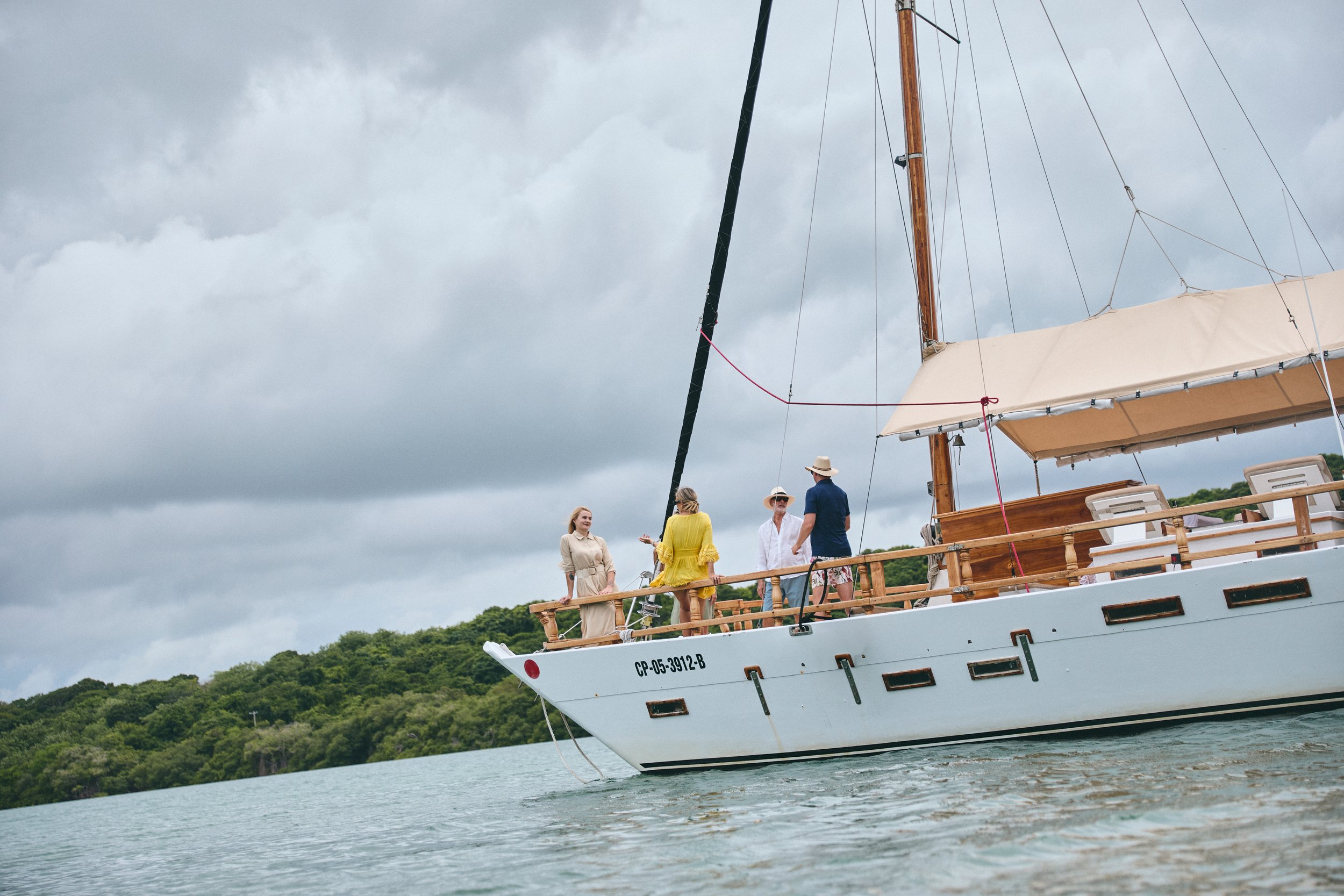
Room for a sundowner conversation with friends and family to run longer than planned.
A WhereNext Original may begin with a wrong turn, a message from someone we trust, or a name written on a napkin after dinner.
By the time a guest arrives, the road has been driven. The timing has been tested. The relationship has been built. The team has considered how much time to leave for the unexpected.
The planning is ours. The moments belong to the guest.
#FeelSomething

Footnotes
Busch, Christian. “Towards a Theory of Serendipity: A Systematic Review and Conceptualization.” Journal of Management Studies 61, no. 3 (2024): 1110–1151. https://doi.org/10.1111/joms.12890
Huber, Dominik, and Sven Gross. “Local Residents’ Contribution to Tourist Experiences: A Community Perspective from Garmisch-Partenkirchen, Germany.” Tourism Review 77, no. 2 (2022): 532–548. https://doi.org/10.1108/TR-08-2020-0401