
Dirt Under Fingernails | Huatata, Peru: DO
A private farm tasting with Manuel Choqque that moves from his remarkable super potatoes to Oxalis, a fermented oca drink that tastes enough like wine to confuse the room.

Nicholas Gill x WhereNext Collection, a selection of culinary experiences and restaurants across Colombia and Peru developed by James Beard Award–nominated author and travel journalist Nicholas Gill.
A WhereNext Curated Experience | Already part of a partner’s catalog, this experience has been selected and quality-controlled by our team.
The Skinny
A private visit with fifth-generation Andean farmer and agronomist Manuel Choqque at Casa Bodega Oxalis in Huatata
Explore his work with native potatoes and other Andean tubers before tasting several expressions of Oxalis
Walk the family fields with Manuel and see where the crops are researched, selected, and cultivated
Enter the modern production bodega to understand how oca becomes a fermented alcoholic drink with characteristics similar to wine
Add a private picnic or tasting in the fields when weather and the agricultural cycle allow
Best for food travelers, small private groups, industry professionals, and curious families with teenagers
Pairs naturally with lunch at MIL Centro for guests interested in following ingredients from the farm into one of Peru’s most ambitious kitchens
Part of the Nicholas Gill x WhereNext Collection, a selection of culinary experiences and restaurants across Colombia and Peru developed by James Beard Award–nominated author and travel journalist Nicholas Gill.
* Dirt under fingernails is optional
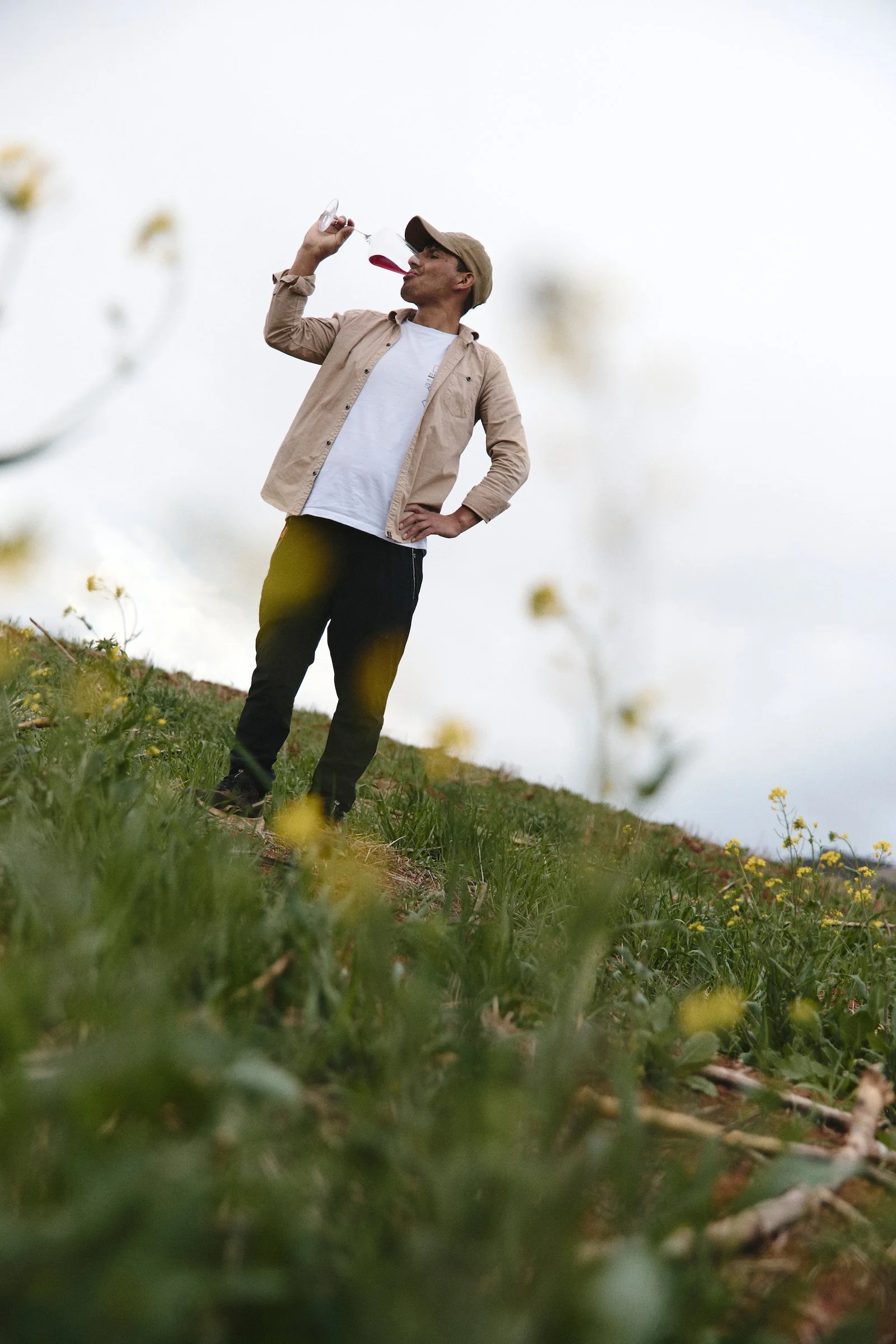
The Superhero of Tubers Is Behind This Gate
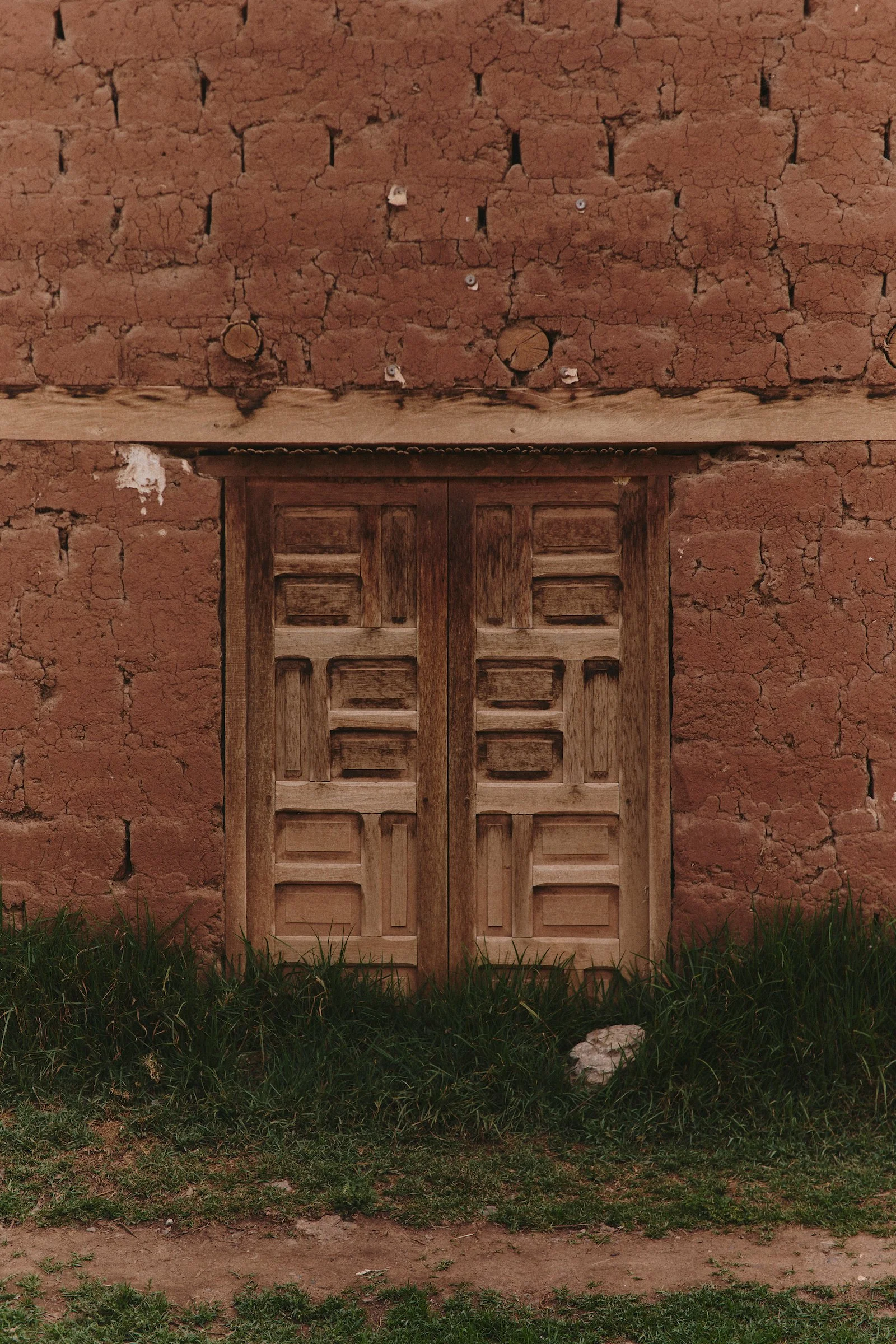
We turn off the main paved road above Peru’s Sacred Valley and begin rattling down a dusty gravel lane through the small farming community of Huatata.
There is no sign. No polished entrance announcing that one of Peru’s most ingenious agricultural tinkerers is waiting on the other side.
Our driver stops in front of a gate.
I look around.
“Are you sure this is it?”
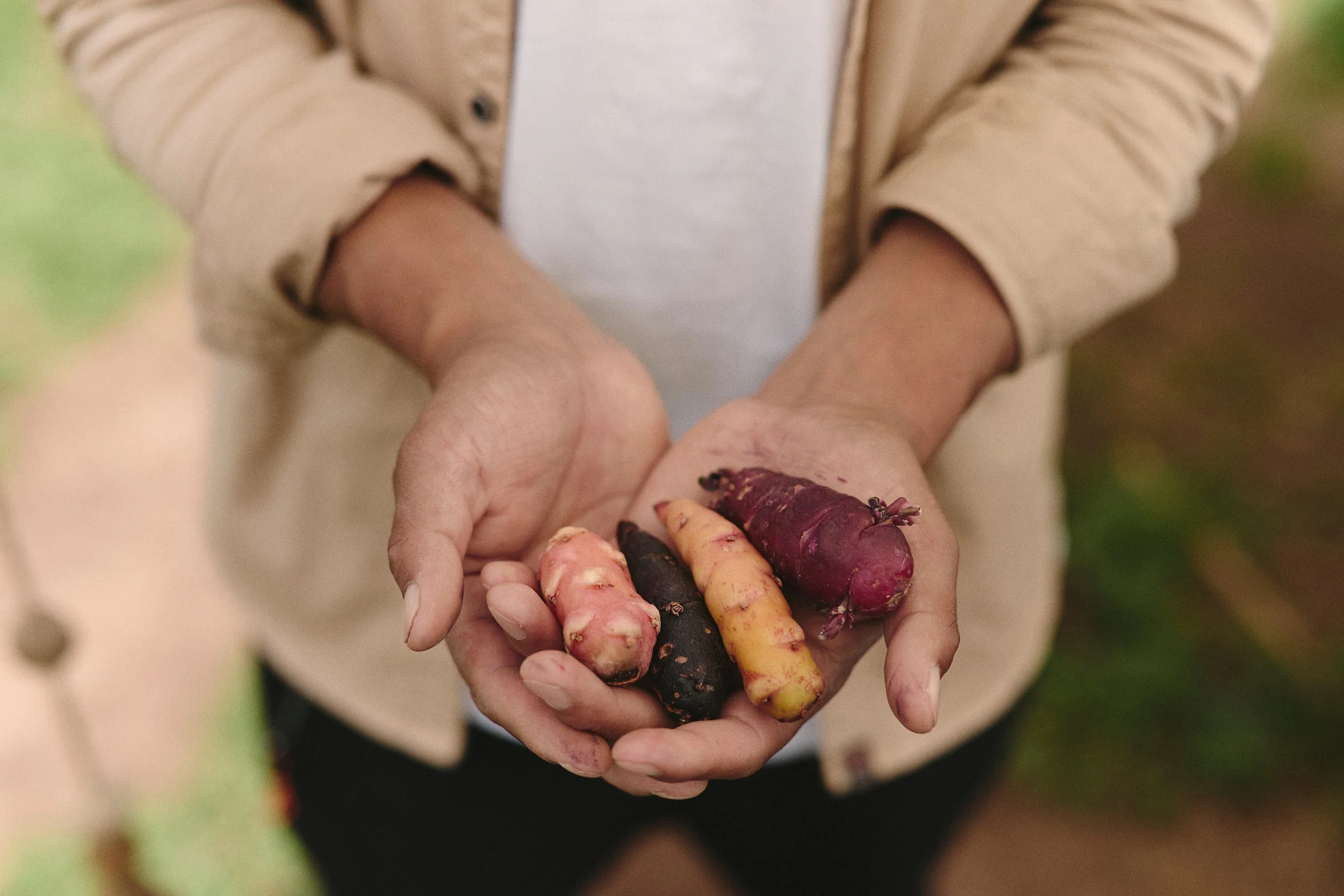
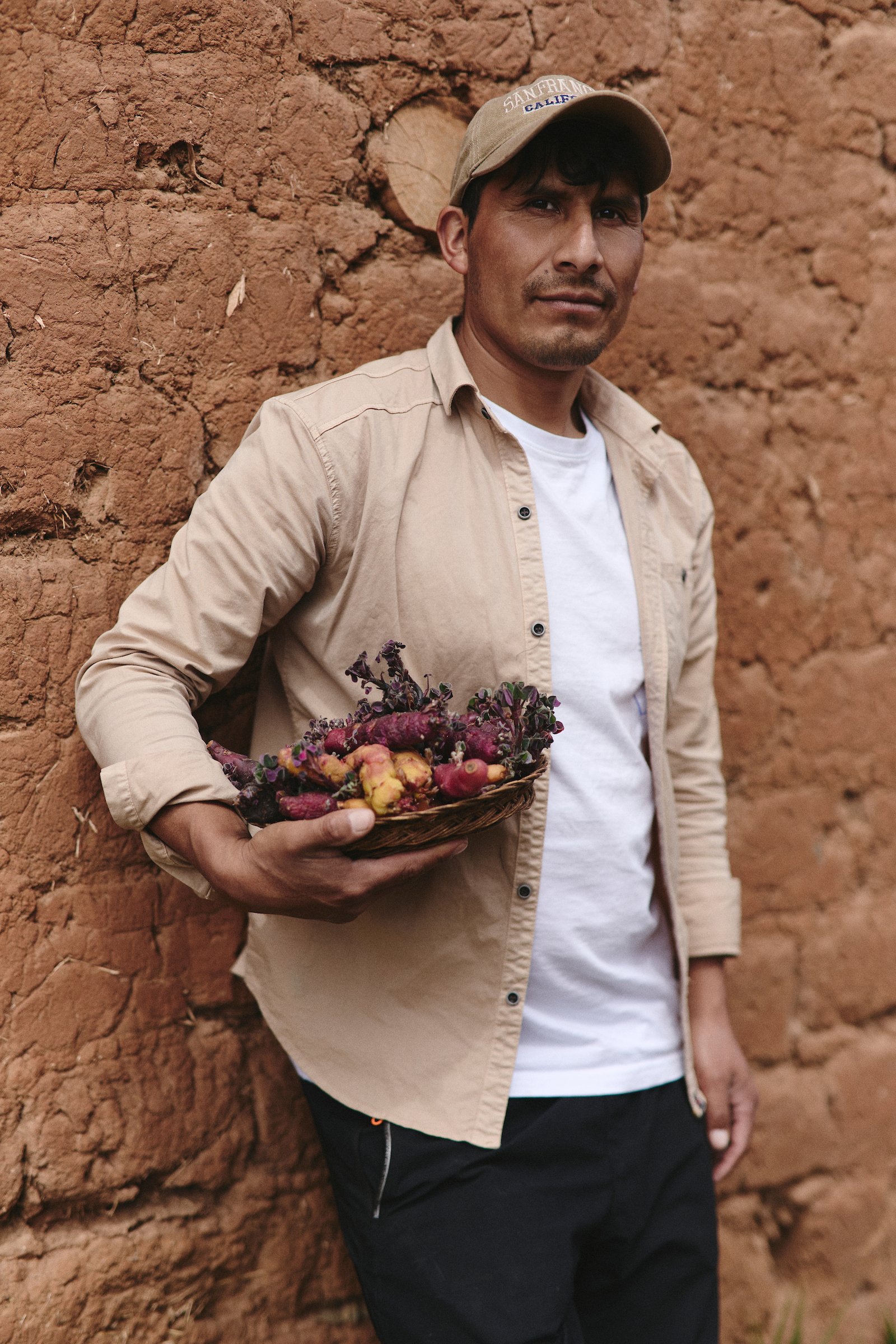
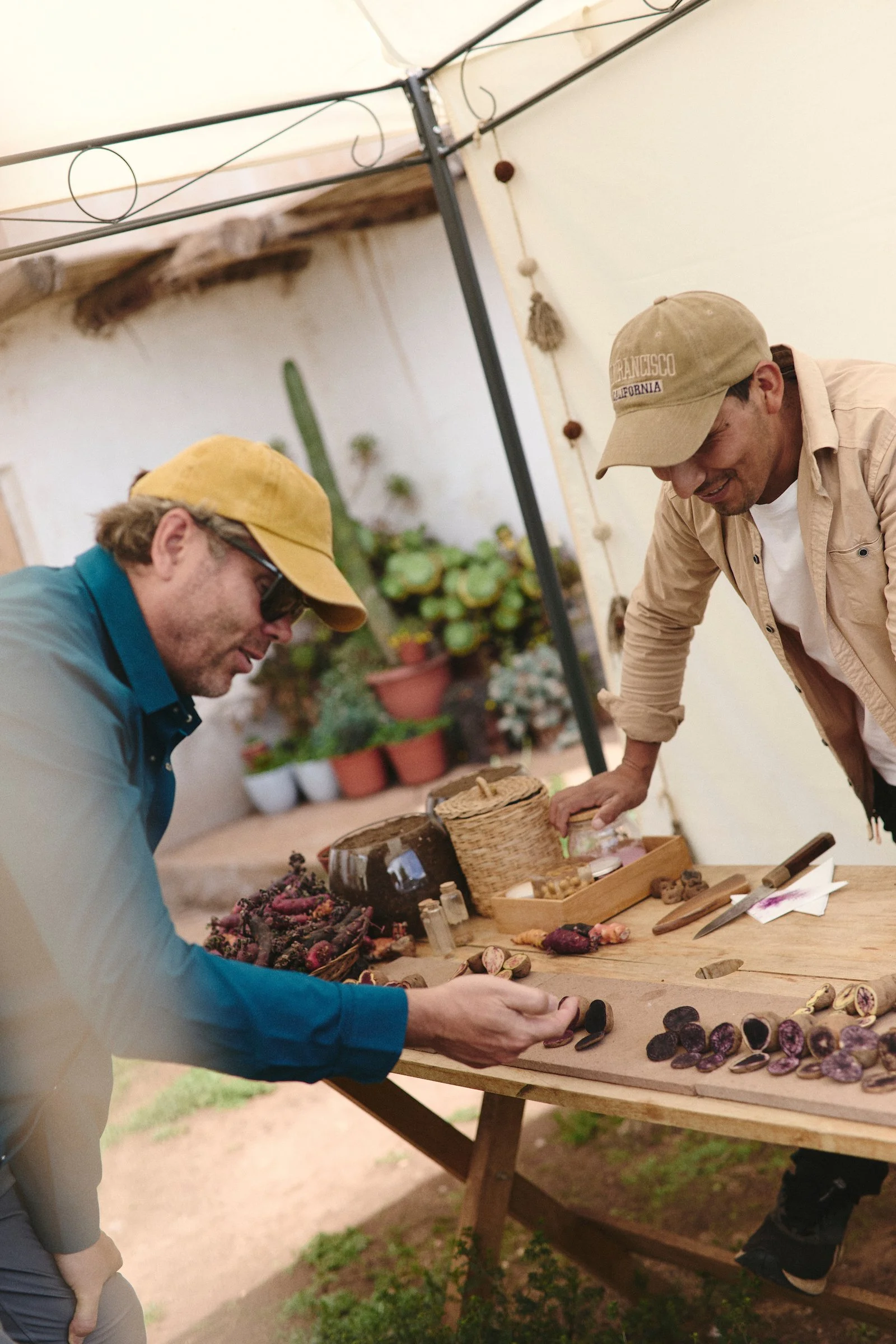
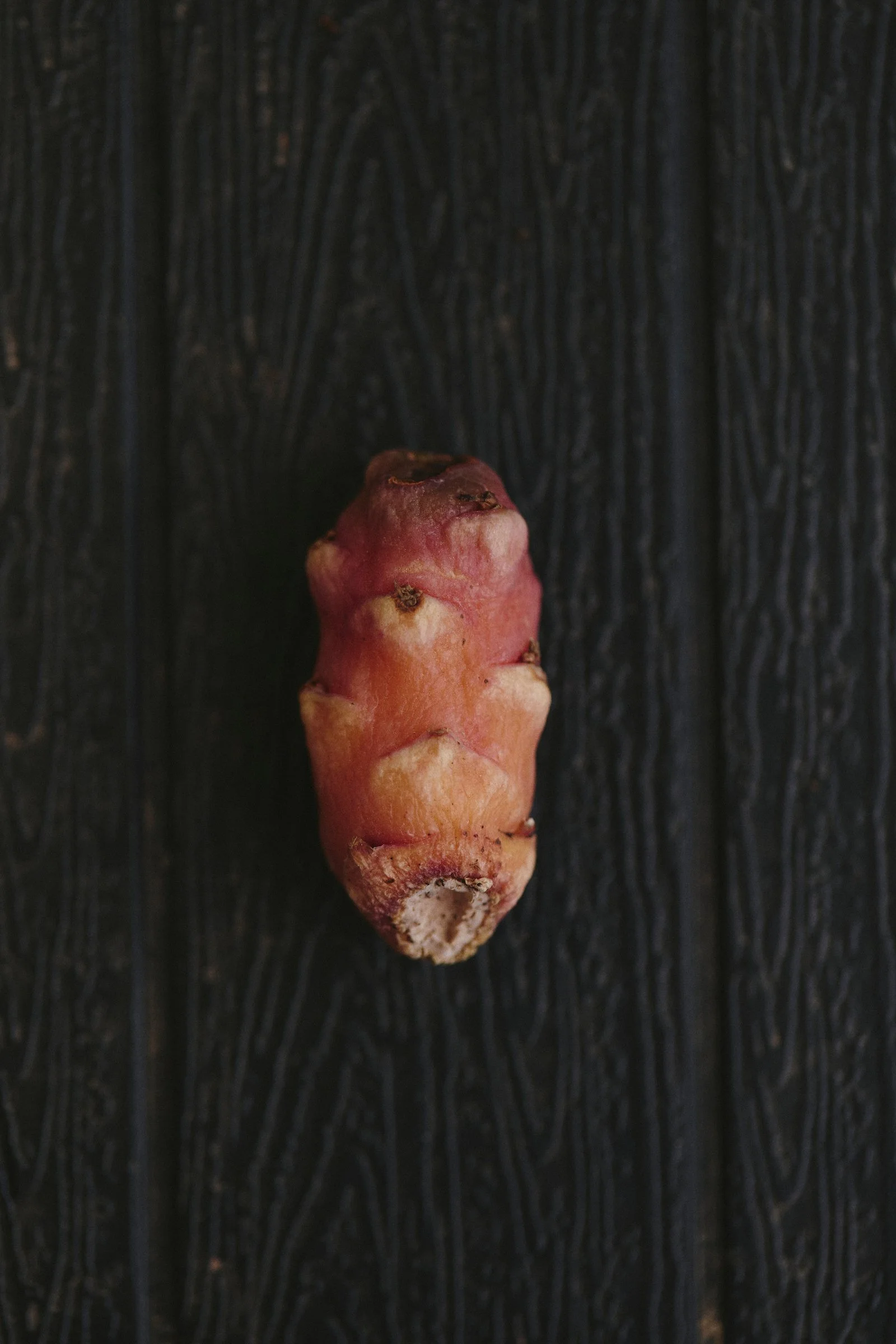
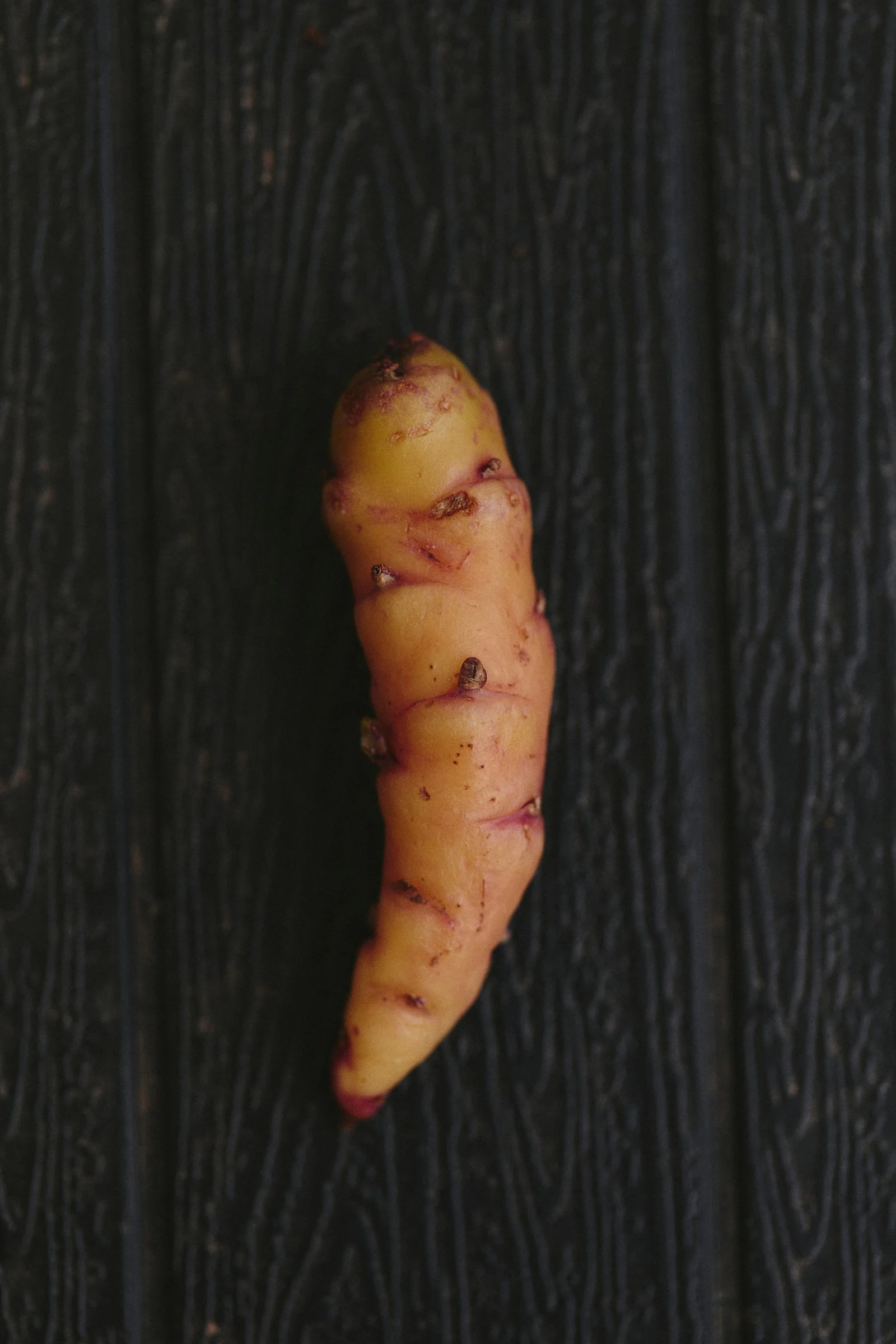
Manuel Choqque opens the gate himself. Behind him is the front yard of a family home. Under a simple tent, a table has been covered with tubers in colors and shapes that look nothing like the Idaho spuds I grew up eating in Seattle. Some are long and knobby. Others are red, yellow, purple, or nearly black. A few look more like small pieces of sculpture pulled from the dirt.
This is how the experience begins. Not with a formal presentation, but with Manuel standing above the tubers that have occupied his life since childhood.
“My first toys were potatoes,” he tells us.
Spend five minutes with him, and you believe it.
The Experience
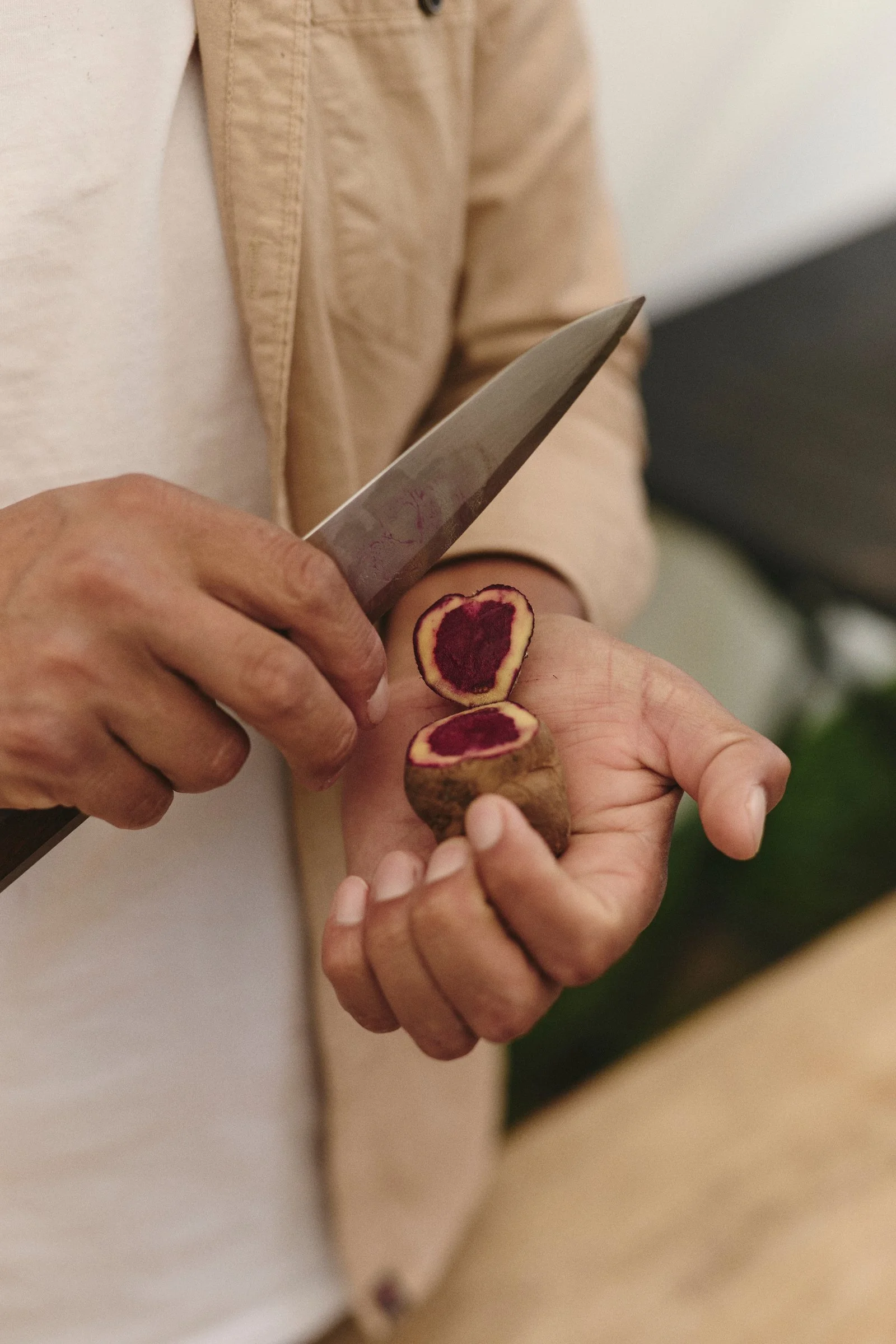
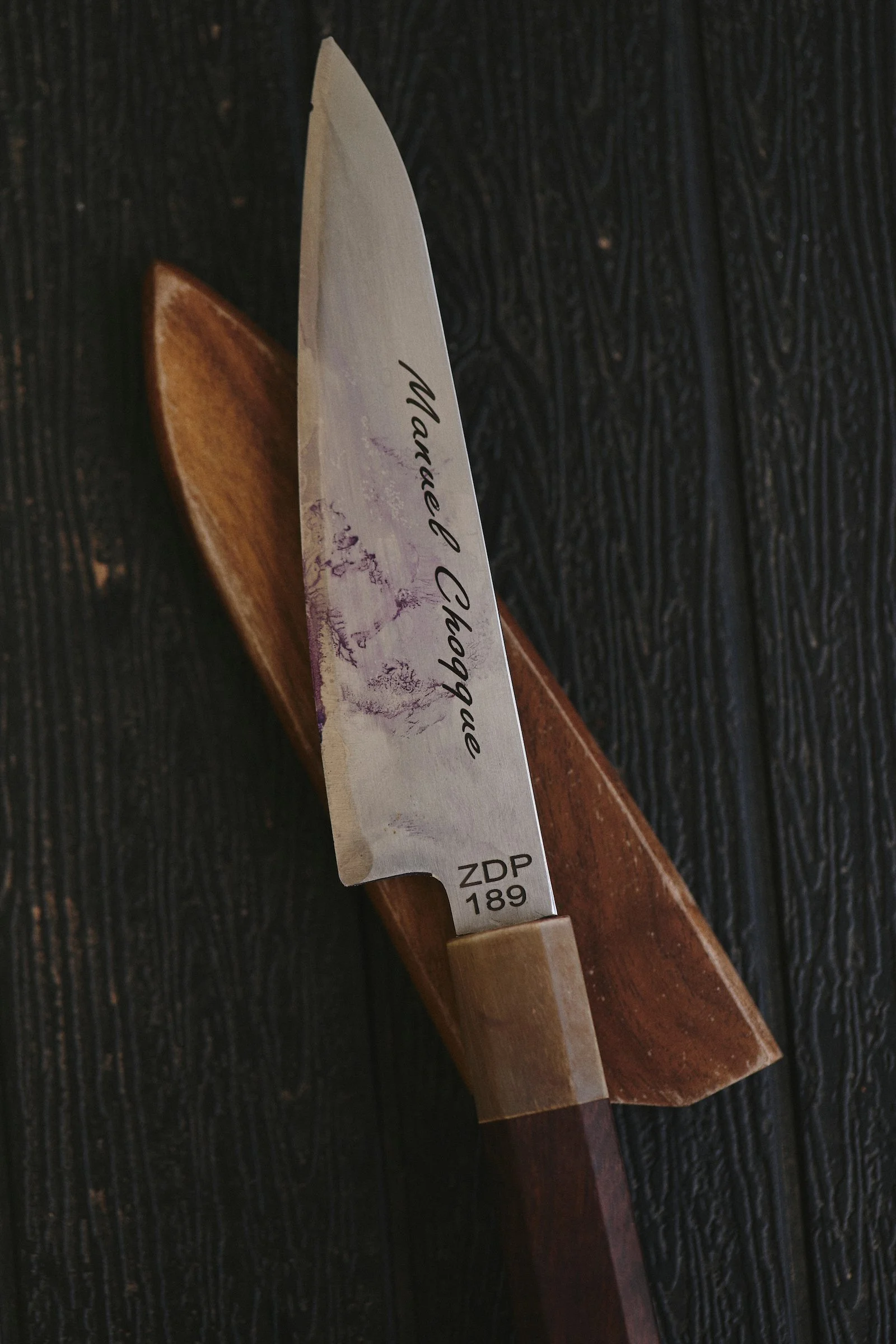
Manuel begins with potatoes. He walks us through his family’s history with the crop and the years he has spent researching, selecting, and improving different varieties. He picks them up one by one, turning each tuber in his hand before cutting several open.
Inside, the colors become more intense: deep purple, red, gold, cream, and combinations that seem to have been painted in layers.
For most of us, a potato is a potato.
You boil it. Fry it. Mash it. Put it beside something more important on the plate.
Manuel sees them as his life's calling.
He is a fifth-generation farmer and trained agronomist whose work has connected him with the International Potato Center and some of Peru’s most recognized chefs. Over the years, his family project has recovered, studied, and cultivated hundreds of varieties of potatoes, ocas, mashuas, and ollucos. Some of the potatoes have been selected for higher concentrations of antioxidants and other nutritional characteristics. Others are being developed for their color, flavor, texture, resistance, or potential value to farmers and chefs.
They are regularly described as super potatoes.
He is serious about the science. He is also clearly having a great time doing it.
The Human Behind the Experience
Sacred Valley Super Potatoes by Manuel Choqque explores the human behind this experience.
Bring Out the Bottles
After the potatoes come the ocas. Oca is another Andean tuber, although it is not a type of potato. Its scientific name is Oxalis tuberosa, which is where the bottled drink gets its name.
Manuel explains the crop, its acidity, its sugars, and the work required to select varieties suited for fermentation.
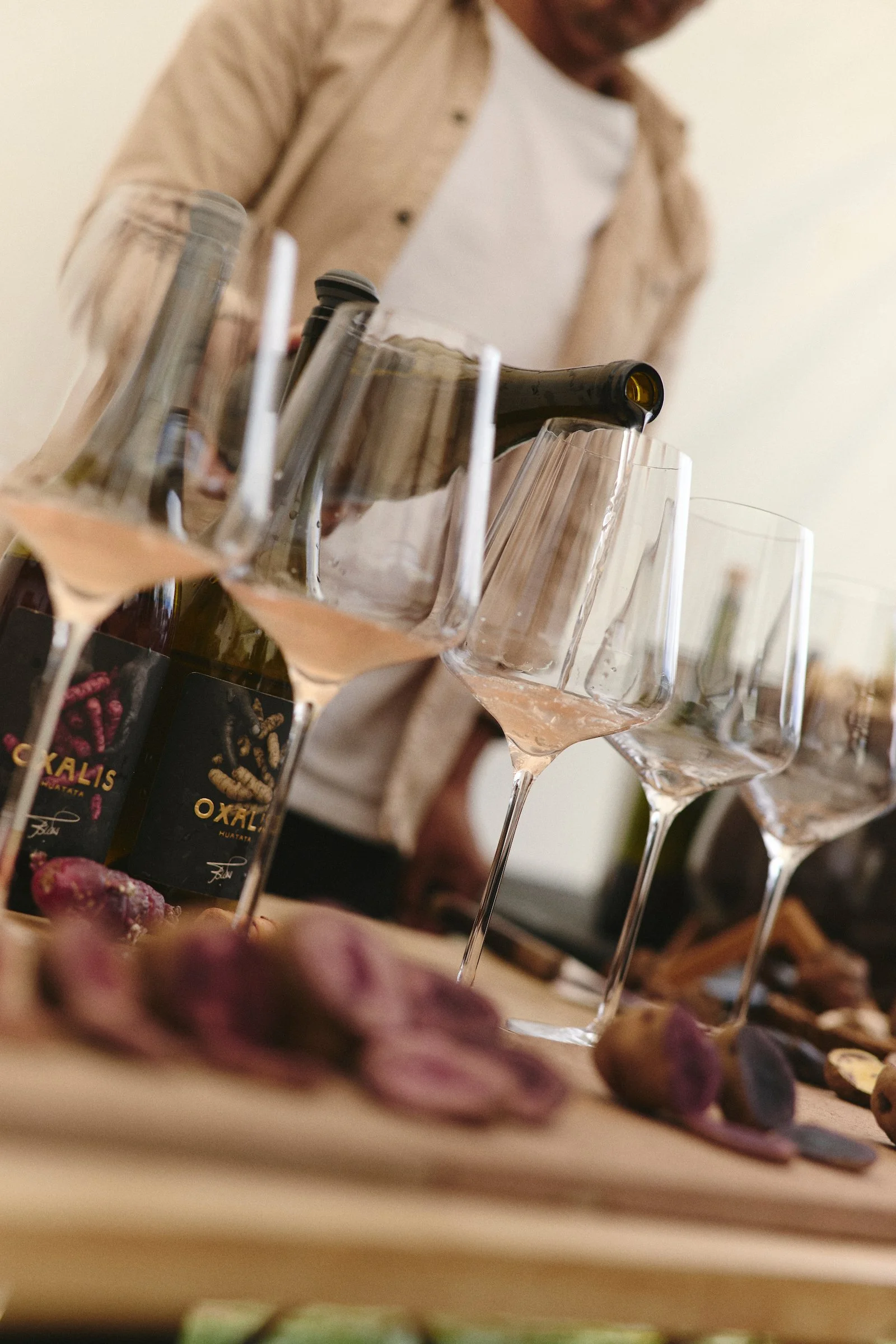
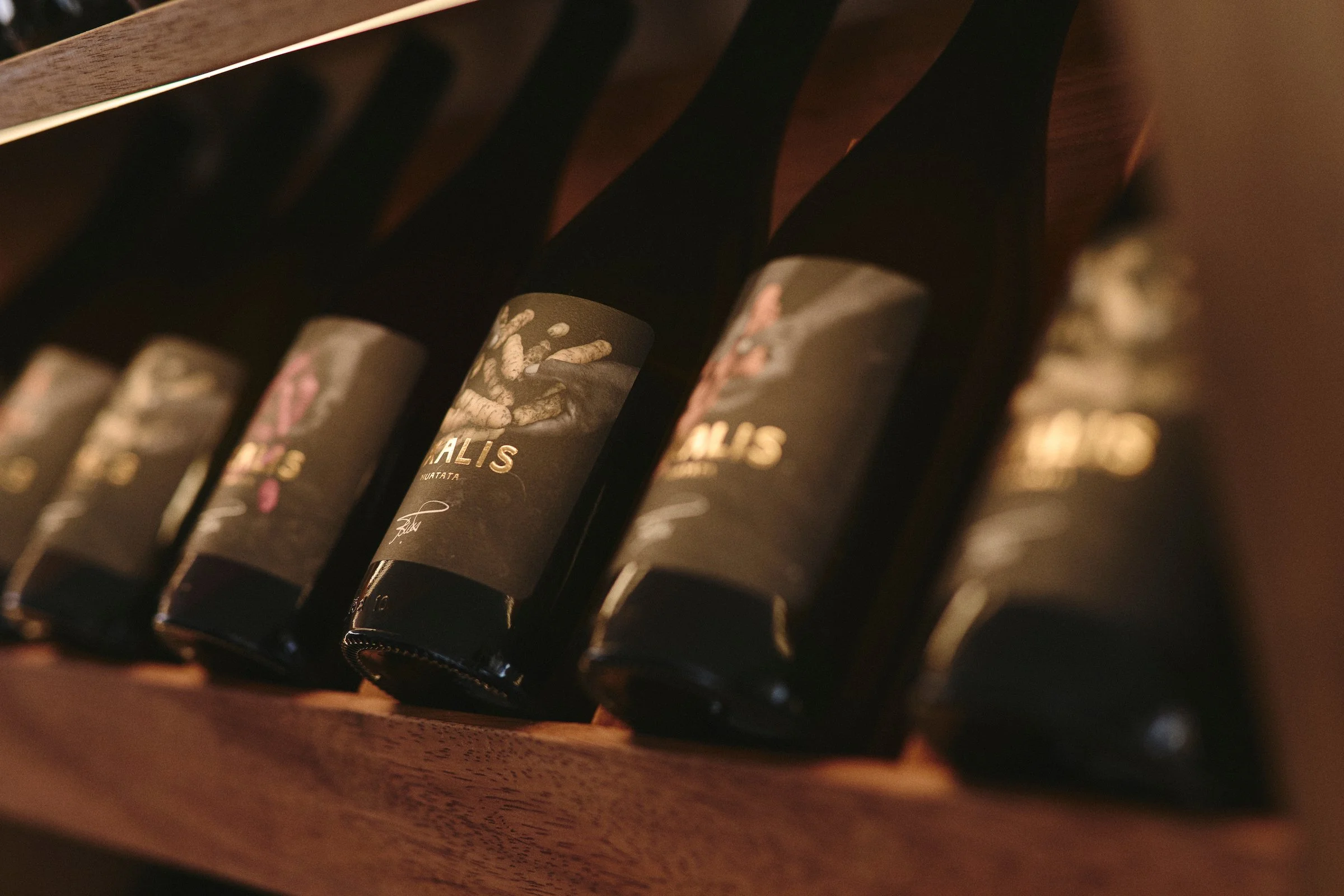
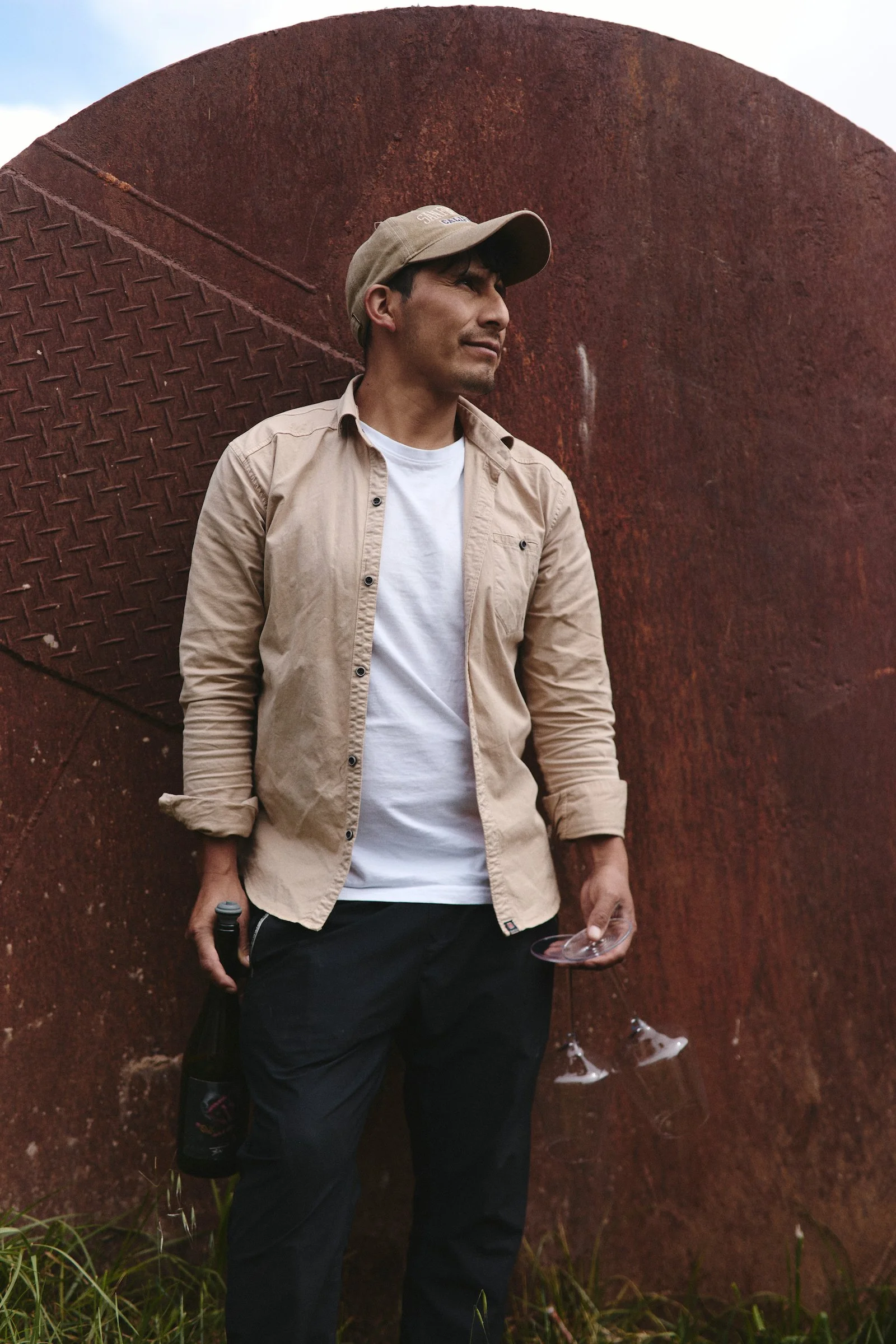
Then he pulls out three bottles.
They look like wine.
They are poured like wine.
The color, nose, acidity, and progression through the tasting all point the mind toward wine.
But Oxalis is not technically wine because it is not made from grapes. Manuel describes it more accurately as an alcoholic beverage obtained through the fermentation of oca.
The production process begins by exposing the tubers to the high-altitude sun to concentrate their sugars. They are then prepared for a slow fermentation in the cold, thin air above the Sacred Valley.
The drink messes with your brain.
I kept thinking about the wines my wife and I drank on our honeymoon in Sicily. Earthy wines. Old-feeling wines. The kind of bottles that made me picture clay vessels and dark cellars long before stainless steel and laboratory controls entered the picture.
That was my association, not Manuel’s tasting note.
The important part is that it was very good.
Not just “interesting for something made from a tuber.”
Exceptional.
By the second glass, we were no longer asking whether it should be considered wine. We were trying to understand how something pulled from Andean dirt tasted like this.
Walking the Fields
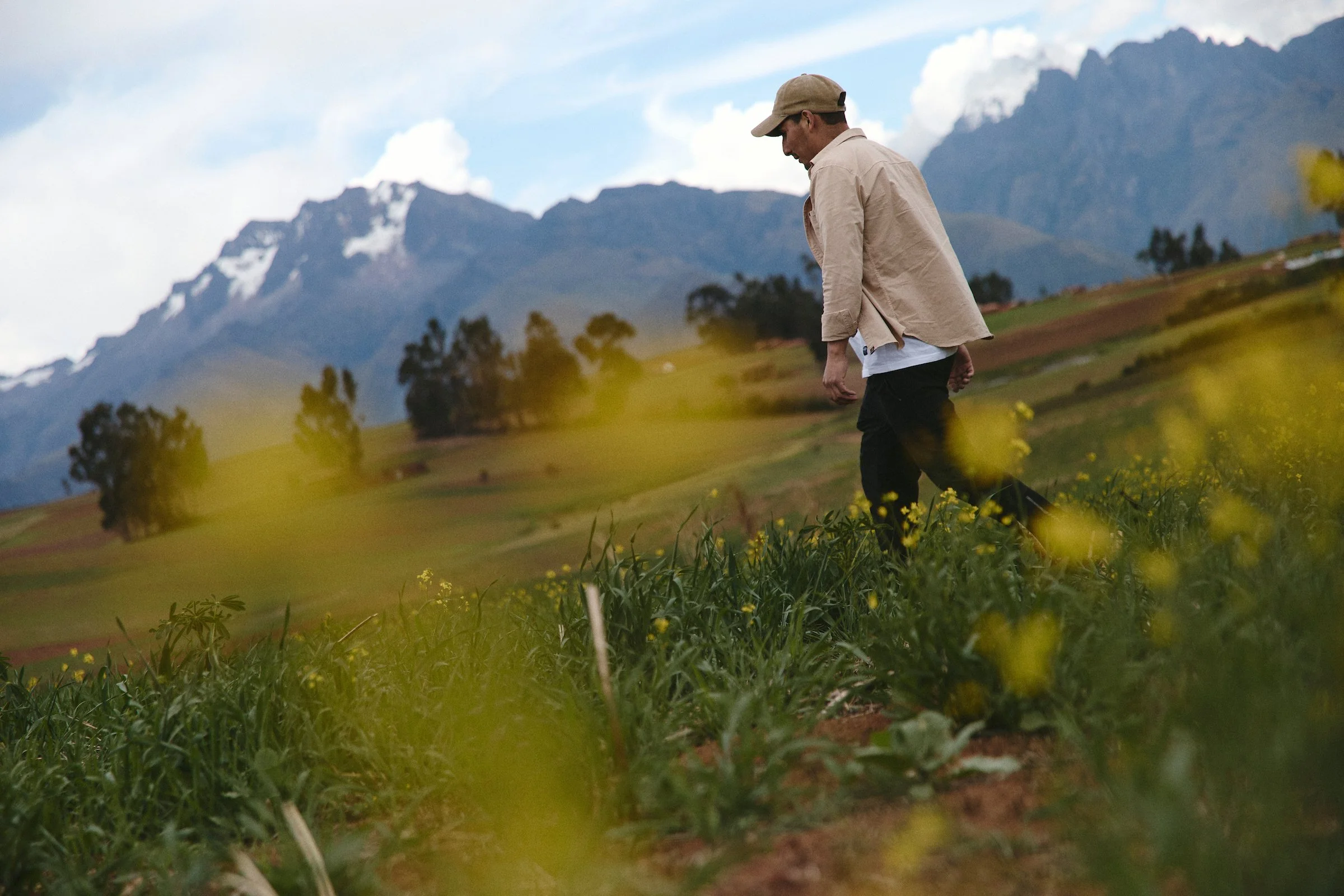
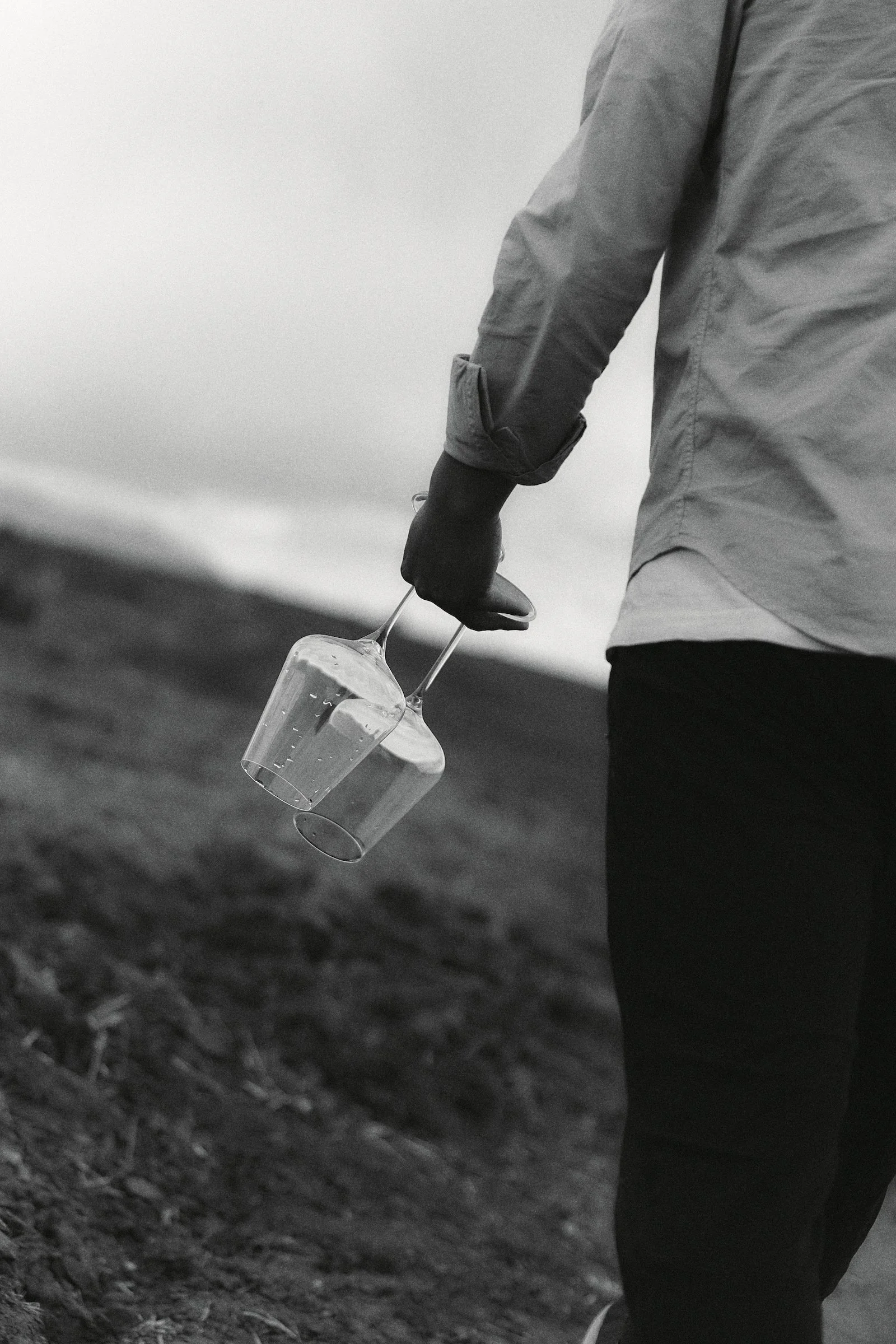
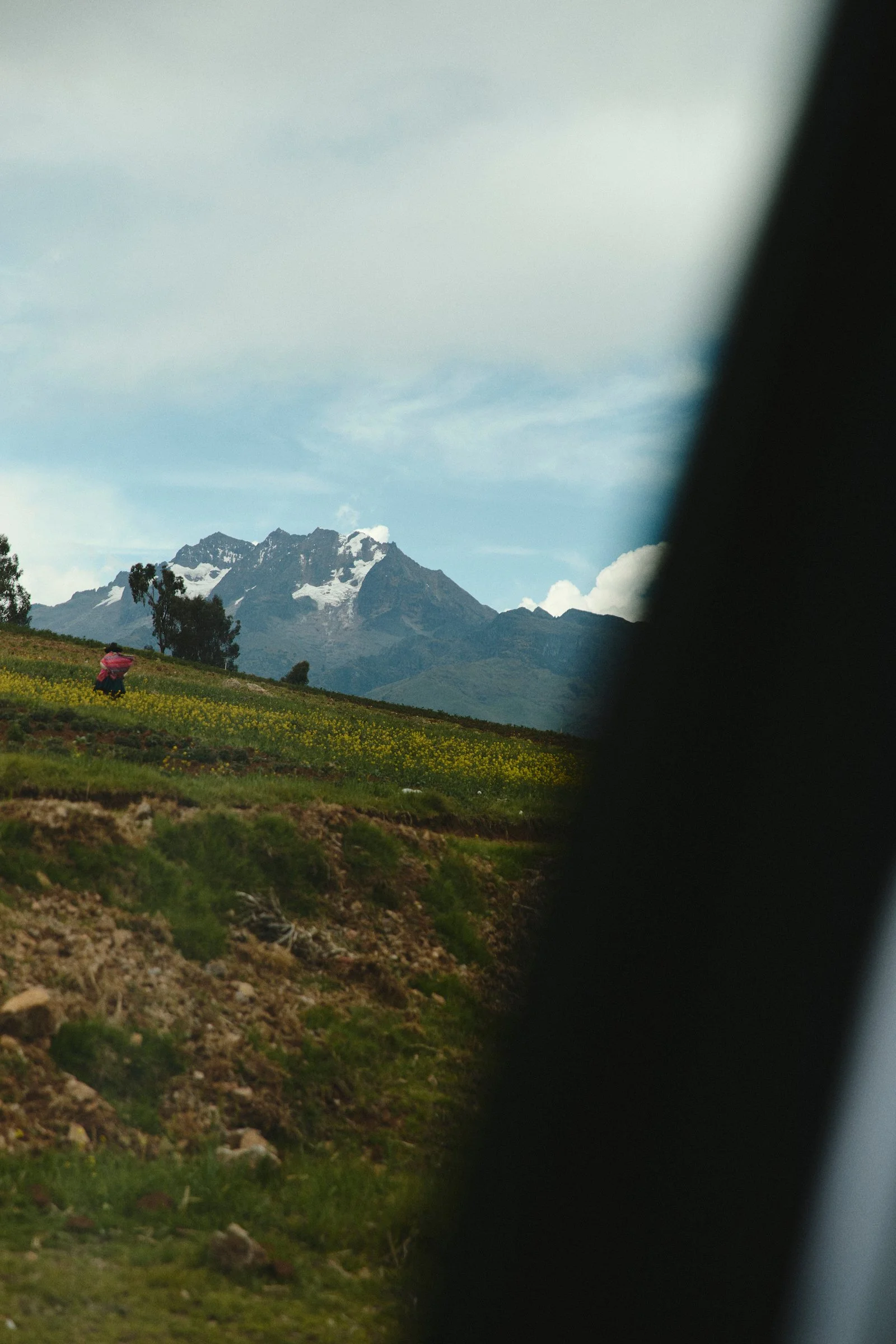
After the tasting, Manuel leads us behind the house and into the fields. The property sits at roughly 3,740 meters above sea level. The air is thin, the weather can change quickly, and the horizon opens across the Andes. This is where Manuel seems like a kid again.
At the table, the potatoes looked like an art collection. Out here, they become years of weather, selection, failure, patience, and dirt under the fingernails.
Depending on the crop cycle and conditions, a private picnic and Oxalis tasting can be arranged in the fields. During the growing season, guests may see the potato plants in flower, although the timing and colors vary by variety, planting date, rainfall, and weather.
The Second Surprise
After walking the fields, I assumed the visit was winding down.
Manuel had another door to open.
We walked around the back of the family property and entered a modern bodega complex that was still being completed during our visit. The simple gate and front-yard tent had given no clue that this building was behind the house.
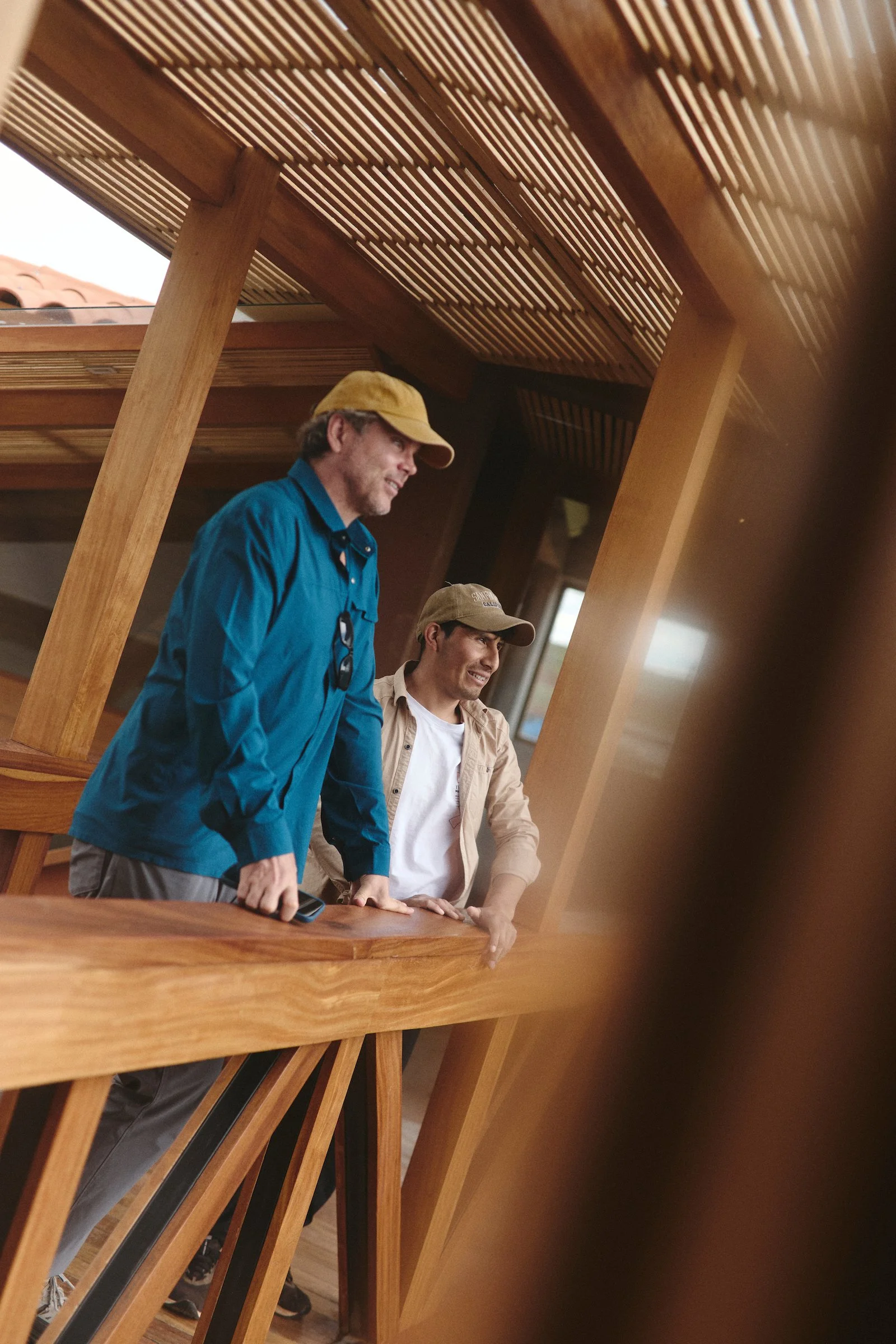
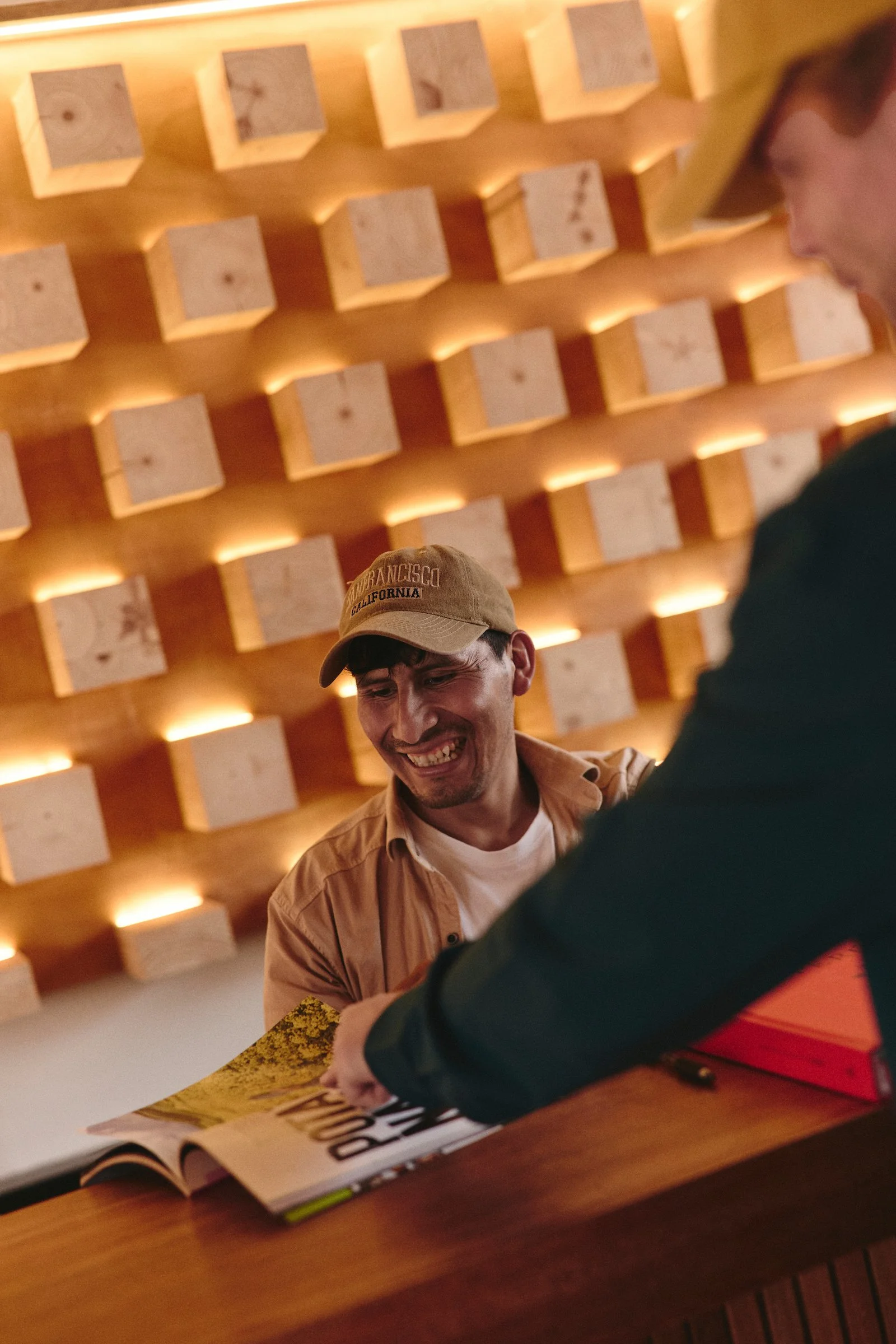
The first level contains the production area and large vessels used to ferment Oxalis. Upstairs, Manuel showed us a bar and tasting room. A bridge crosses above the property toward another part of the complex, with windows opening over the crops and the Andes.
Some sections were unfinished. Manuel could see the whole thing completed. He talked us through spaces for tastings, gatherings, agricultural interpretation, and a deeper presentation of the crops he has spent his life studying.
Manuel wants the project to demonstrate that serious research, creative work, and viable businesses can exist in rural Peru. Many young people have left communities like Huatata because they believe opportunity lives in Lima, Cusco, or somewhere beyond the Valley.
Manuel is building a reason to come home.
The World Behind the Experience
Oxalis began as an experiment inside a farming family.
Manuel had spent years recovering and studying Andean tubers when he began testing what could happen if oca were treated as a serious raw material for fermentation.
A turning point came after chef Virgilio Martínez visited the property in 2016. Manuel served an early oca beverage that did not yet have its finished identity. According to Manuel, the visitors began asking why it tasted like grapes and where the vineyards were.
The answer was under the dirt.
That encounter led to further work with Central and MIL. Manuel later developed Miskioca, a sweeter fermented oca drink, before adjusting the varieties and production process to create the drier, more acidic Oxalis expressions served today.
Most visitors to the Sacred Valley will eat potatoes several times. Few will meet somebody who can explain how a potato is selected, improved, protected, and given enough value that the next generation may decide it is worth continuing to grow.
Why It Matters
Farmers continue growing crops when those crops have purpose, demand, and enough financial value to justify the work.
Peru’s agricultural biodiversity faces genetic erosion, the loss of farming knowledge, and weak succession between generations. Casa Bodega Oxalis responds to those pressures by giving overlooked Andean tubers new value.
Manuel understands the problem without needing institutional language. If a crop requires time, labor, land, and risk but does not produce income, asking a farmer to preserve it for cultural reasons is not a serious plan.
Oxalis creates another possibility.
Who This Is For
This experience works especially well for:
Food travelers who want to understand ingredients before they reach a restaurant plate
Wine drinkers curious enough to taste something that sits outside the normal wine world
Small private groups that prefer conversation over a formal tour
Agricultural, culinary, beverage, and sustainability professionals
Families with curious teenagers interested in food, science, farming, or entrepreneurship
Media guests looking for a strong human story with excellent visual material
Travelers following the Nicholas Gill x WhereNext Collection through Latin America
Guests combining the Chinchero and Moray areas with lunch at MIL Centro
It is not designed for a large bus group moving between scheduled tasting stations. This is a family property, a working agricultural project, and a conversation with the person behind it.
Boutique is the point.
How We Use This in Our Itineraries
Casa Bodega Oxalis fits naturally into a deeper exploration of the Chinchero and Moray side of the Sacred Valley.
We especially like pairing it with MIL Centro.
MIL presents altitude, ecosystems, and Andean ingredients through a highly considered tasting menu. Casa Bodega Oxalis allows guests to stand in the fields, hold the tubers, and meet one of the people doing the agricultural work behind that broader culinary movement. Visit Manuel first, and lunch at MIL carries more context.
We would not squeeze this between a long list of archaeological stops.
The experience needs enough space for Manuel to talk, for guests to ask questions, and for the field walk to move at the pace of the farm.
Planning Notes
Recommended Planning Time: Minimum two hours. Allow longer when adding a private field picnic.
Best Time of Day: Late morning or early afternoon, depending on the itinerary and whether the experience is combined with MIL.
Location: Huatata, in the Chinchero district above Peru’s Sacred Valley.
Altitude: Approximately 3,740 meters above sea level. It is best placed after guests have had time to acclimatize.
Physical Level: Easy. The tasting itself is easy, but the fields have uneven ground, and the altitude is noticeable.
Best For: FIT travelers, couples, families with teenagers, small private groups, culinary travelers, wine professionals, chefs, media, and travel advisors.
Works Well With: MIL Centro, Moray, Chinchero, Maras, private culinary journeys, longer stays in the Sacred Valley, and other experiences in the Nicholas Gill x WhereNext Collection.
Seasonality: Visits can be planned throughout the year, but the appearance of the fields changes with planting, flowering, harvest, rainfall, and weather.
Special Notes: Alcoholic Oxalis tastings are for adults. Teenagers can still participate in the potato presentation, farm walk, agricultural discussion, and broader experience. Advance planning is required for field picnics and expanded tastings.
Why We Chose Casa Bodega Oxalis
There was a moment near the beginning when I genuinely thought we had taken a wrong turn.
I had heard about Manuel. I knew his products had reached serious restaurants. I knew chefs paid attention when he spoke.
Then we turned off the paved road, rattled down a dusty village street, and arrived at an unsigned gate.
Manuel was waiting in the yard under a tent.
That disconnect lasted about ten minutes. By then, he had started cutting potatoes open. An hour later, we were tasting a fermented oca drink that reminded me of Sicily.
Then we walked around the back of the house and found a two-level bodega, a tasting bar, and a farmer talking about how to bring opportunity back to rural Peru.
This is not a Napa Valley vineyard with a parking lot full of tour buses.
Thank goodness.
Casa Bodega Oxalis remains Manuel Choqque’s experience. WhereNext Travel selected it for DO, and quality controls how it is incorporated into the larger journeys we design.
Frequently Asked Questions
What is the Casa Bodega Oxalis experience?
It is a private visit to Manuel Choqque’s family agricultural project in Huatata. Guests learn about his native potatoes and Andean tubers, walk the fields, taste Oxalis, and see the bodega where the fermented beverage is produced.
Why are Manuel Choqque’s potatoes sometimes called super potatoes?
Manuel has spent years selecting and developing native potatoes for characteristics including color, flavor, nutrition, and agricultural performance. Some contain high concentrations of antioxidants and other compounds that have led chefs and journalists to describe them as super potatoes.
Is Oxalis a wine?
Not technically. Wine is made from grapes. Oxalis is an alcoholic beverage made by fermenting oca, an Andean tuber. Its aromas, acidity, color, and tasting structure can resemble wine, which is why people often call it “oca wine.”
Is Oxalis distilled?
No. The Oxalis served during the tasting is produced through fermentation rather than distillation. Manuel is separately experimenting with distilled products, but they are different from the core Oxalis beverage.
Where does the experience take place?
It takes place at Casa Bodega Oxalis in Huatata, in the Chinchero district of Cusco, at approximately 3,740 meters above sea level.
Is this a private experience?
Yes. WhereNext Travel plans it for small private groups. The size matters because much of the value comes from direct conversation and walking the property with Manuel.
Is the experience suitable for families?
It works well for families with curious older children and teenagers, especially those interested in food, plants, science, farming, or entrepreneurship. Alcohol tasting is limited to adults.
Can guests have a picnic in the fields?
A private picnic or expanded tasting may be arranged when weather, crop conditions, and operations allow. It requires advance planning and should not be treated as a guaranteed walk-in component.
When are the potato fields flowering?
Flowering depends on the variety, planting schedule, rainfall, and annual crop cycle. Conditions should be checked close to travel, as no specific month can guarantee flowers.
Can this experience be combined with MIL Centro?
Yes. It is one of the strongest culinary pairings in this part of the Sacred Valley. Meeting Manuel and seeing his crops gives guests useful context for MIL’s work with Andean ingredients, altitude, and agricultural research.
Is Casa Bodega Oxalis part of the Nicholas Gill x WhereNext Collection?
Yes. It is part of the Nicholas Gill x WhereNext Collection, a selection of culinary experiences and restaurants across Colombia and Peru developed by James Beard Award–nominated author and travel journalist Nicholas Gill.
How does WhereNext Travel include Casa Bodega Oxalis in private Peru itineraries?
We place it within private Sacred Valley journeys for travelers interested in food, agriculture, wine, entrepreneurship, and the people behind Peru’s culinary reputation. The visit works best when it is given enough time to remain personal rather than treated as a quick tasting stop.