

Informal Labor in Latin American Tourism
An insider’s look at the hidden economics, labor systems, and operational sustainability challenges shaping tourism across Colombia and Peru.
BACK OF HOUSE: Operational Intelligence + Education
Explore the decisions, challenges, and operational realities behind building Latin America's most trusted modern luxury Destination Management Company.
When my wife and I bought a coffee farm in rural Colombia and started rebuilding it into a boutique hotel, one of the first things we realized was that we had to hire the staff from scratch.
The previous employees had left just after the ownership transition, and suddenly, we found ourselves trying to understand what hiring actually looked like in a rural tourism economy.
My wife works in HR here in Latin America, and she had a hunch.
"Go talk to the employees at nearby boutique hotels," she told me. "I think a lot of tourism workers may not actually be formally employed. If that’s true, offering formal employment may become one of the strongest recruiting tools we have."
So that’s what I did.
I started knocking on doors at tourism properties around the region and speaking directly with the people working there.
What I found changed the way I think about sustainable tourism in Latin America.
Some workers described spending years inside businesses without formal contracts, paid vacation, healthcare contributions, pension contributions, or maternity protections. And these weren’t obscure roadside operations.
These were respected tourism locations serving international travelers.
That experience forced me to confront something uncomfortable.
A huge amount of tourism labor in Latin America still operates informally behind the scenes.
INFORMAL EMPLOYMENT IN LATIN AMERICA
Colombia: ~55%
Peru: ~70%
* In Colombia, microenterprises can approach 80%
Source: DANE / INEI

Finca Gualiva in rural Colombia, where rebuilding a coffee farm into a boutique hotel revealed the hidden labor realities behind tourism operations in Latin America. Read more about WhereNext Travel’s owned property HERE.
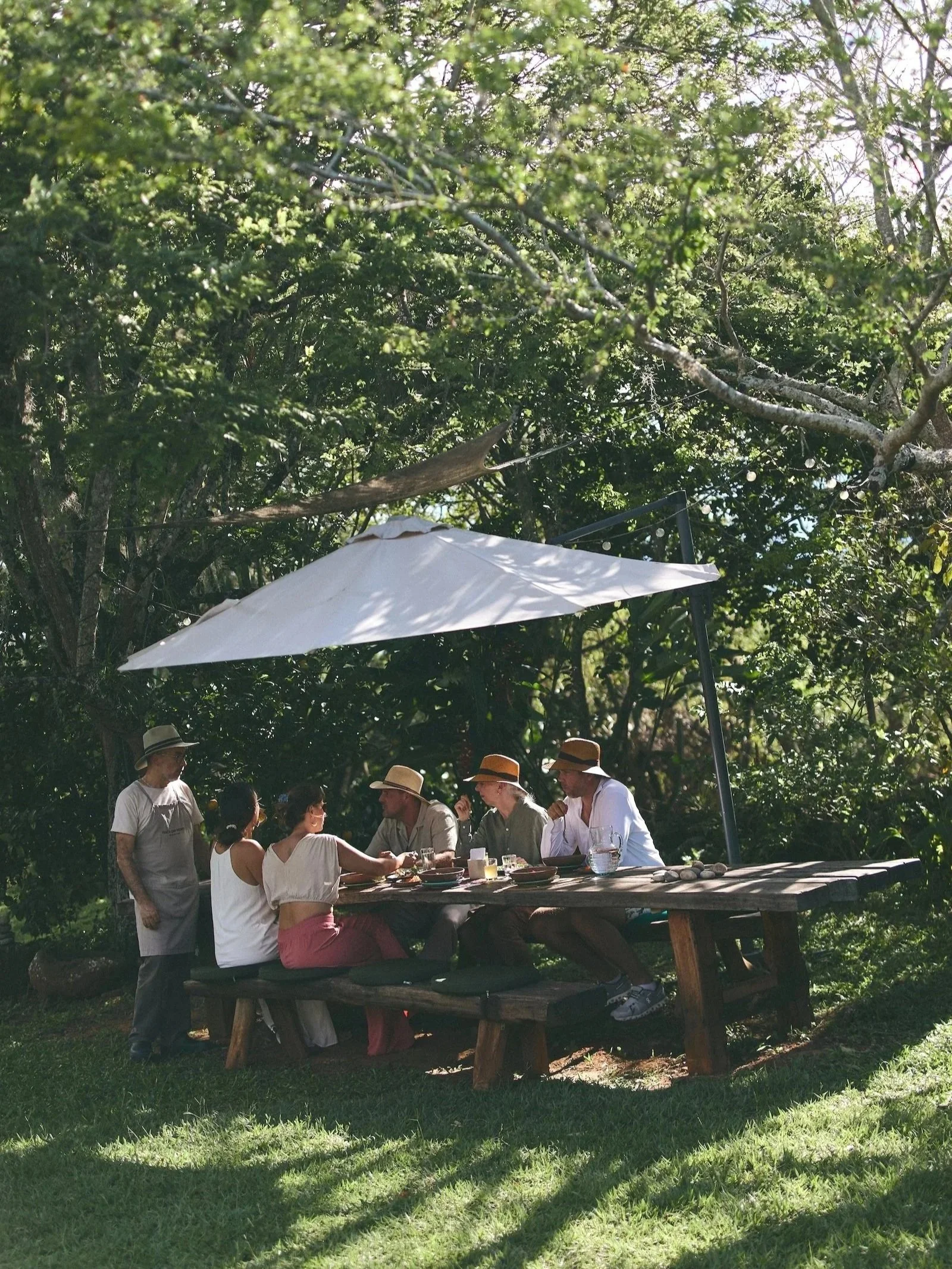
WhereNext Travel guests enjoying a farm-to-table lunch at boutique Finca San Pedro near Barichara, Colombia, featuring locally grown ingredients, slow luxury hospitality, and immersive countryside experiences in the Andes. Learn more about the small business owner behind this signature experience HERE.
INFORMAL EMPLOYMENT IN LATIN AMERICA
Colombia: 55% Peru: 70% Rural tourism economies: often significantly higher
And the deeper I looked into it, the more complicated the issue became.
Because informal labor is not always the result of bad intentions or predatory operators.
But often it’s also the result of structural economics, seasonality, financing limitations, and the brutal reality of trying to run a small tourism business (or any small business) in an emerging market.
Especially in an industry that increasingly sells itself through the language of sustainability, ethics, and community impact.
Tourism Sells Emotion, but It Runs on Economics.
The tourism industry is good at storytelling that pats itself on the back.
We talk about regenerative travel, sustainability, community tourism, and the empowerment of local economies.
And philosophically, I believe in all of it.
But behind the conference speeches, marketing photos, and polished branding, tourism is still a brutally operational business shaped by:
labor costs
financing access
seasonality
inconsistent occupancy
commission pressure
compliance obligations
volatile cash flow
That operational reality rarely shows up in tourism events and marketing.
Environmental sustainability is often easier to market than labor formalization is to operationalize.
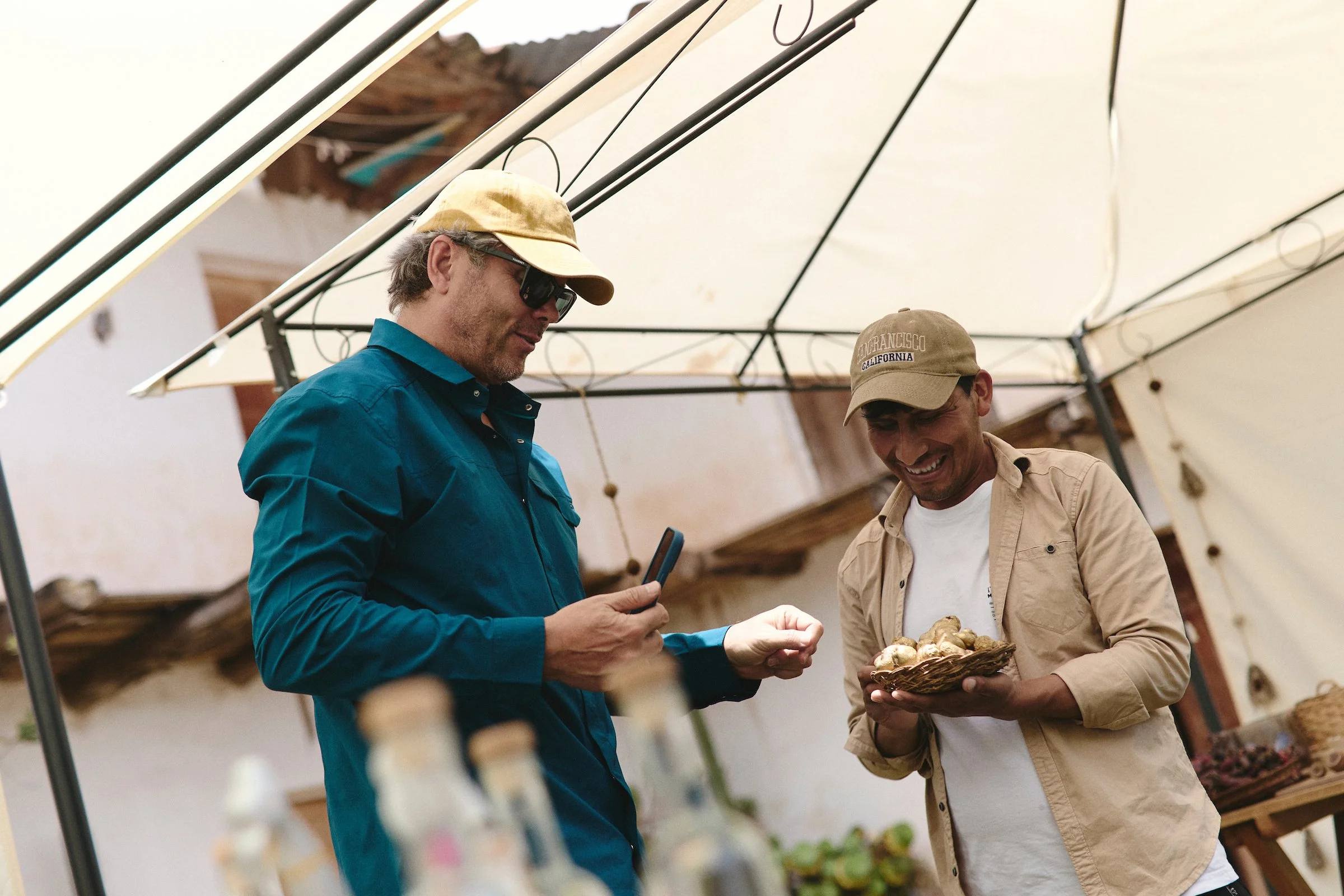
Manuel Choqque shares native potato cultivation and ancestral Andean agricultural knowledge with WhereNext Travel founder Gregg Bleakney in Peru’s Sacred Valley. Read more about this signature experience HERE.
THE MICROENTERPRISE REALITY
In Colombia, informal employment rates among microenterprises can approach 80%+, while much larger enterprises often operate with dramatically lower levels of informality.
The issue is not always:
"Tourism businesses are intentionally exploiting workers."
Sometimes the issue is simply that small businesses are operating inside difficult economic systems with very limited administrative capacity.
And tourism in Latin America depends heavily on small operators.
Family-run lodges. Independent guides. Rural fincas. Boutique hotels. Transportation providers.
Many of them are juggling fluctuating demand, rising operational costs, limited financing, and unpredictable occupancy.
That does not excuse informality.
But it does help explain why it persists.
The Real Cost of Formal Employment
One thing many outsiders misunderstand about tourism employment in countries like Colombia is assuming salary equals employment cost.
It doesn’t.
Formal employment comes layered with employer healthcare contributions, pensions, occupational risk insurance, severance accruals, paid vacation obligations, and social security contributions.
By the time labor obligations, social contributions, paid benefits, and accrual requirements are included, the true cost of formally employing someone in Colombia can approach 1.5 times an employee’s base salary. In Peru, depending on the employment structure and statutory benefits involved, total employer costs can sometimes be even higher.
And while many of these protections are important and socially valuable, they also create real pressure for small tourism operators running on thin margins and unpredictable cash flow.
Especially in rural tourism. Especially in boutique hospitality. Especially in seasonal destinations.
At the same time, the industry expects suppliers to:
absorb commission pressure
maintain luxury standards
invest in sustainability
formalize labor
survive seasonal volatility
stay price competitive
That tension rarely gets discussed publicly.
But it sits underneath much of the tourism economy in Latin America.
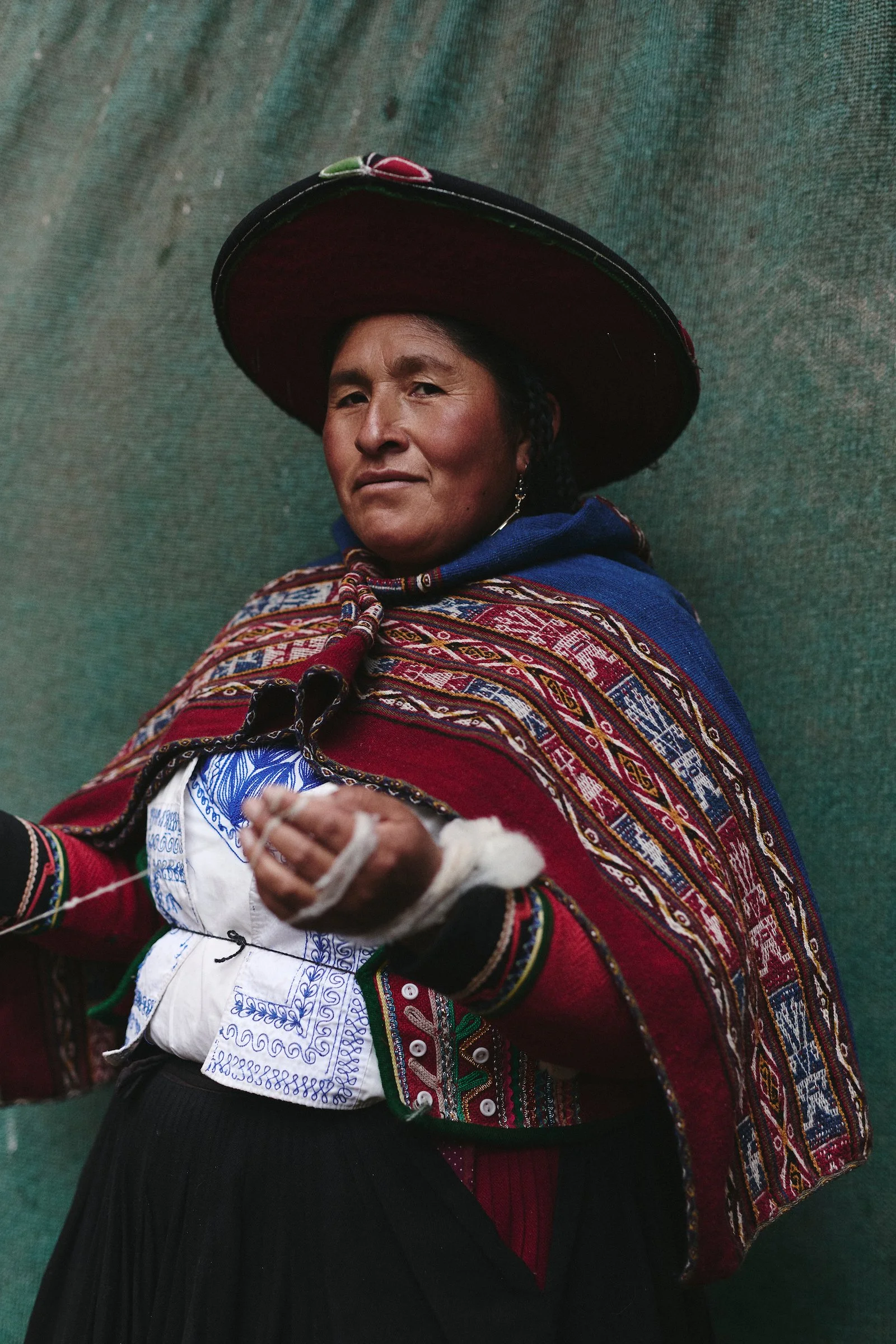
Andean weavers in Chinchero, Peru learning traditional textile techniques, natural dyeing, and cultural preservation in the Sacred Valley. Learn more about this signature experience HERE.
The Cash Flow Reality Nobody Talks About
Tourism revenue can look impressive from the outside.
A hotel looks full during high season. The branding looks beautiful. The social media feed looks polished.
But operationally, tourism businesses often experience wildly uneven cash flow.
Revenue fluctuates. Receivables arrive slowly. Fixed costs never stop. Payroll keeps coming whether occupancy is high or not.
And luxury tourism has another quiet pressure point underneath it all: commission structures.
Foreign travel advisors and operators absolutely deserve compensation for the value they create. Great partners drive incredible business into Latin America.
But downward commission pressure on local suppliers still affects local economics.
Particularly for smaller operators already dealing with inflation, maintenance costs, infrastructure investment, staffing pressure, and operational instability.
Again, none of this justifies informal labor.
But it does explain why operational sustainability and financial sustainability are deeply connected.
The Hire Local and Boutique Tourism Myth
One of the most romanticized ideas in tourism is that boutique automatically means better. That local automatically means sustainable.
Sometimes that’s true.
Some of the most thoughtful tourism operators I’ve met in Latin America are small independent businesses deeply committed to their employees and communities.
But operationally, reality is often more nuanced.
In some cases, large international hospitality groups may actually have stronger labor compliance systems than smaller independent operators.
Why?
Because they have:
HR departments
legal teams
accounting infrastructure
operational reserves
administrative scale
Meanwhile, many small tourism businesses are trying to manage guest operations, payroll, transportation logistics, staffing, maintenance, compliance, and sustainability initiatives all at the same time with very limited infrastructure behind them.
Sustainability is not just about good intentions.
It’s also about access to systems.
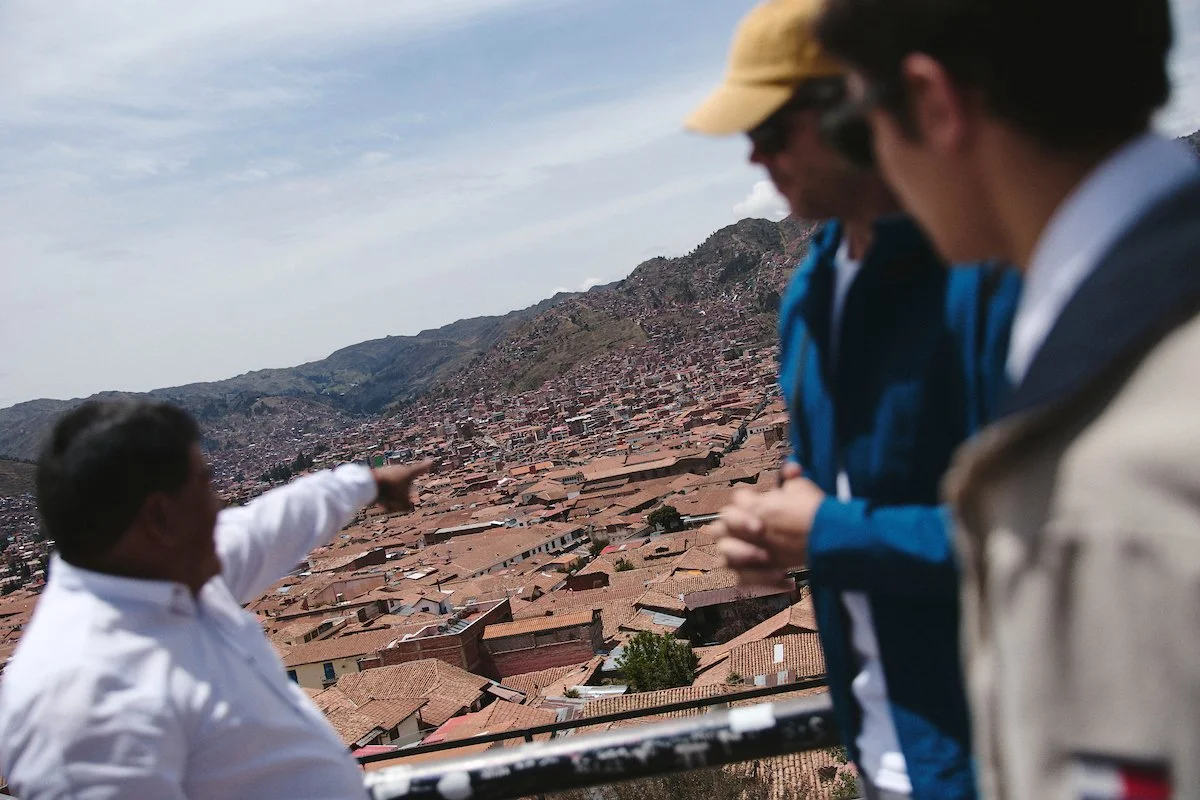
WhereNext Travel guests walking through Cusco, Peru with a local guide during a privately operated cultural tour.
Sustainability Isn’t Just Environmental; It's Operational
This may be the biggest shift in my own thinking after spending years inside tourism operations across Latin America.
Sustainability conversations in travel tend to focus heavily on conservation, carbon reduction, local sourcing, and community engagement.
All important topics.
But labor structure rarely gets discussed with the same seriousness.
And I increasingly think that’s a blind spot.
Because the people behind the guest experience matter too.
The cooks. The cleaners. The drivers. The maintenance staff. The caretakers. The guides.
If tourism wants to talk seriously about sustainability in Latin America, labor conditions and operational formalization eventually have to become part of that conversation.
This Isn’t Just a Latin American Problem
It’s also important to say clearly that informal labor is not unique to tourism or to Latin America.
You can find similar dynamics in agriculture, construction, restaurants, Southern Europe, Southeast Asia, and tourism economies all over the world.
Latin America is not uniquely challenged.
But the region does operate inside economic and administrative realities that many luxury travelers never see.
Luxury hospitality is, in many ways, the art of making operational complexity invisible.
How We’re Thinking About It at WhereNext Travel
At WhereNext Travel, we certainly don’t pretend to have all the answers.
We’re still learning. Still evolving. Still trying to understand what responsible operational standards should actually look like across a very complex region.
But we increasingly believe labor structure is part of operational maturity.
That means we’re beginning to ask harder questions internally and with suppliers:
Are employees formally contracted?
Do the independent contractors and guides that the supplier contracts carry insurance?
Not because we think we’re morally superior.
But because sustainability isn’t just environmental.
It’s operational.
But I genuinely think the future of high-end tourism in Latin America will belong to the companies that figure out how to build profitable tourism businesses while formalizing their entire labor supply chain responsibly.
That’s not easy.
But I think it’s where the industry has to go.
#FeelSomething

Gregg Bleakney is the co-founder of WhereNext Travel, a luxury Destination Management Company operating across Latin America. His work focuses on operational travel systems, premium travel execution, and marketing developed through two decades of firsthand experience building and managing projects across the region. Through BACK OF HOUSE, he explores the insider realities shaping luxury travel in Latin America.
Enjoyed This Article?
Receive monthly destination intelligence, operational insights, and new travel experiences from local teams across Latin America.
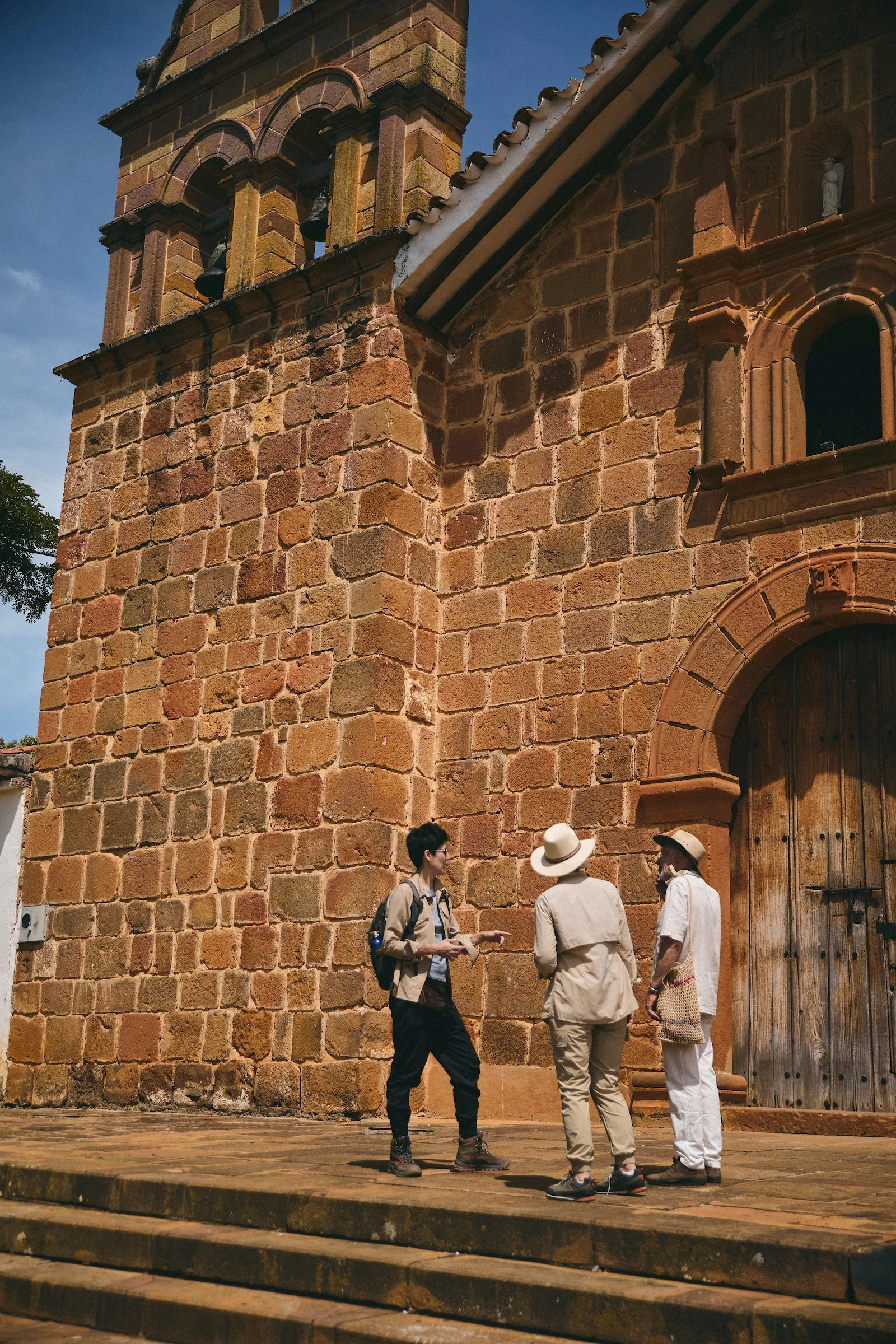
Guests with a local guide in Barichara, Colombia, exploring colonial architecture, regional history, and cultural heritage in one of the country’s most iconic towns.
FAQ
What is informal labor in tourism?
Informal labor generally refers to employment relationships operating outside fully formal legal employment structures, including missing contracts, social security contributions, healthcare contributions, pension systems, or labor protections.
Why is labor formalization difficult in Latin America?
Formal employment systems in many Latin American countries involve significant labor costs, administrative obligations, and compliance requirements that can be difficult for small tourism businesses operating with seasonal cash flow and thin margins.
Does sustainable tourism include labor conditions?
Increasingly, yes. Sustainable tourism conversations are expanding beyond environmental issues into operational sustainability, staffing systems, and long-term labor stability.
Why should travel advisors care about supplier operational structure?
Supplier operational maturity can directly affect guest experience, continuity, crisis response capability, staffing consistency, and long-term reliability.